I remember sitting behind a busy espresso machine in Budapest, watching a customer complain that their “premium” bag of pre-ground coffee tasted like cardboard. They had spent a fortune on the brand, but they were essentially buying expensive dust. People love to overcomplicate this with talk of nitrogen flushing and high-tech vacuum seals, but the truth is much simpler. If you want to know why whole beans go stale slower than ground coffee, you don’t need a chemistry degree; you just need to understand surface area. Once those beans are crushed, you’ve basically invited the entire atmosphere to come in and eat your flavor.
I’m not here to sell you a thousand-euro grinder or a specialized airtight canister that promises to stop time. I just want to tell you what I’ve learned from years of brewing in my own kitchen. I’ll show you exactly how much of a difference it makes to your morning cup and why it actually matters for your wallet. No hype, no gear worship—just the reality of what happens to your coffee once it leaves the roaster.
The Truth About Why Whole Beans Go Stale Slower Than Ground Coffee
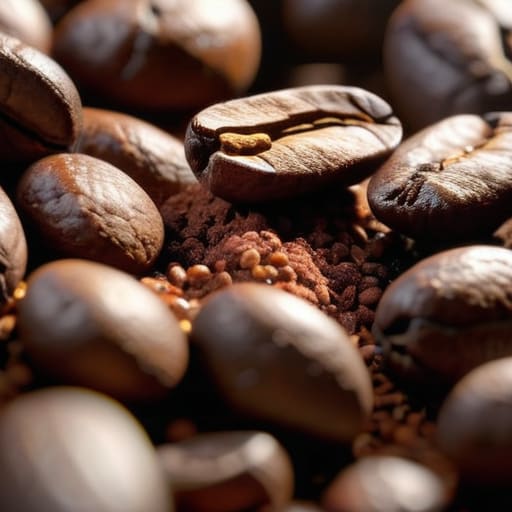
It comes down to a simple physics problem: surface area. When I run my beans through my hand grinder, I’m essentially shattering them into hundreds of tiny fragments. This massive increase in surface area and coffee oxidation means the air can attack every single microscopic piece at once. It’s like the difference between an apple slice turning brown on your counter versus a whole apple sitting in the fruit bowl. One is an open target; the other is protected.
The real magic, though, is the degassing process in coffee beans. Inside a whole bean, CO2 is trapped behind a protective cellular structure. This gas actually acts as a temporary shield, slowing down the entry of oxygen. Once I grind the beans, that shield is gone. The gases escape almost instantly, and the flavors follow them right out the window. I’ve seen pre-ground bags lose their punch in a matter of days, while my whole beans stay vibrant for weeks. It isn’t magic; it’s just about keeping the air at bay for as long as possible.
Surface Area and Coffee Oxidation the Silent Flavor Killer
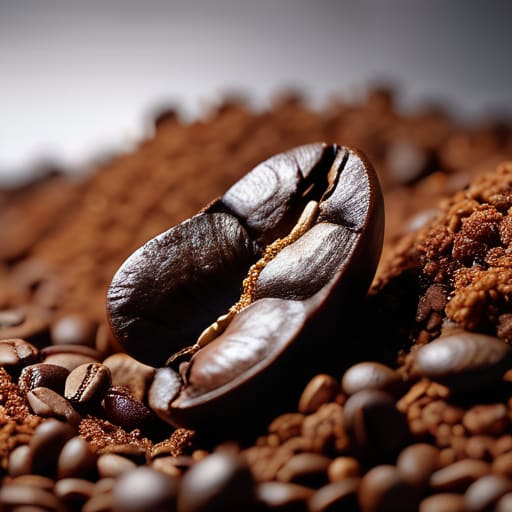
Think of a coffee bean like a little protective vault. When it’s whole, the flavor is locked deep inside. But the moment you hit it with a grinder, you’re essentially smashing that vault into thousands of tiny pieces. This massive increase in surface area and coffee oxidation is where the trouble starts. Oxygen is the enemy here. It rushes into those tiny crevices and starts attacking the delicate oils that make your coffee taste like blueberries or chocolate, turning them into something that tastes like stale cardboard.
I’ve seen it happen in my own kitchen. I once left a jar of pre-ground Ethiopian on the counter for three days. By Friday, the bright, floral notes were completely gone. The degassing process in coffee beans is a controlled release of CO2 that helps preserve freshness, but once you grind, that process happens all at once and then stops. You lose the gas, you lose the protection, and you lose the soul of the bean. If you want to actually taste what the roaster intended, you have to keep that “vault” intact until the very last second.
Watching the Degassing Process in Coffee Beans in Real Time
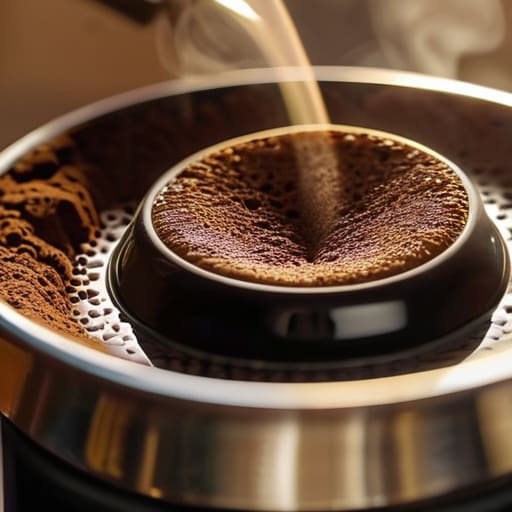
I remember sitting in a cafe in Budapest, watching a barista pull a shot of espresso. The puck looked like it was breathing. That’s the degassing process in coffee beans in action. When beans are freshly roasted, they are full of CO2. If you grind them immediately, that gas escapes violently, creating bubbles that actually block the water from getting into the grounds. It makes your extraction messy and unpredictable.
By keeping your beans whole for a few days, you let that gas escape slowly and controlled. This is where the magic happens for aroma retention in whole beans. I’ve noticed that if I use a bag of pre-ground coffee, that gas is gone in minutes. The flavor doesn’t just change; it vanishes. With whole beans, I can actually taste the evolution of the roast. One day it’s a bit sharp, a few days later it’s sweet and balanced. It’s like the coffee is waking up.
The Brutal Impact of Grinding on Coffee Flavor and Life
I once worked a shift where a shipment of pre-ground espresso arrived late. By the time we opened the bags, that bright, floral acidity I expected was gone, replaced by something that tasted like burnt cardboard. This is the impact of grinding on coffee flavor in its most violent form. When you grind, you aren’t just preparing a drink; you are essentially shattering the protective shell of the bean. You go from a single, dense unit to thousands of tiny particles, all screaming to react with the air around them.
It’s a race against time. The moment those particles are exposed, the aroma retention in whole beans vanishes. You can smell it immediately—that intoxicating scent of jasmine or chocolate hits the air and then, just like that, it’s gone. If you aren’t careful, you’re essentially brewing “ghost coffee,” where the chemical compounds that actually make the drink delicious have already escaped into your kitchen. I’ve learned the hard way: if you want to actually taste what the roaster intended, you have to keep the beans whole until the very last second.
Aroma Retention in Whole Beans What My Cup Actually Tells Me
I’ve spent enough mornings staring at a cup of coffee that smells like nothing but wet cardboard to know when I’ve messed up. When I use whole beans, the smell hits me the second I crack the bag open—it’s heavy, floral, or chocolatey, depending on the roast. That scent is the soul of the bean. But the moment I hit the grinder, that intense aroma fills the kitchen and then… it’s gone.
This is the real-world consequence of aroma retention in whole beans. When coffee is ground, those volatile aromatic compounds are exposed to the air all at once. If I grind my beans for a pour-over and then leave the grounds sitting on the counter for ten minutes while I hunt for my scale, the cup is already losing its battle. I’ve noticed that even with a decent setup, the impact of grinding on coffee flavor is immediate. You aren’t just changing the texture; you are essentially setting the clock on how long that coffee stays interesting. If you want that punchy, fragrant experience, grind right before you brew. Anything else is just drinking expensive, flavored water.
Maximizing Coffee Bean Shelf Life Without Wasting My Time
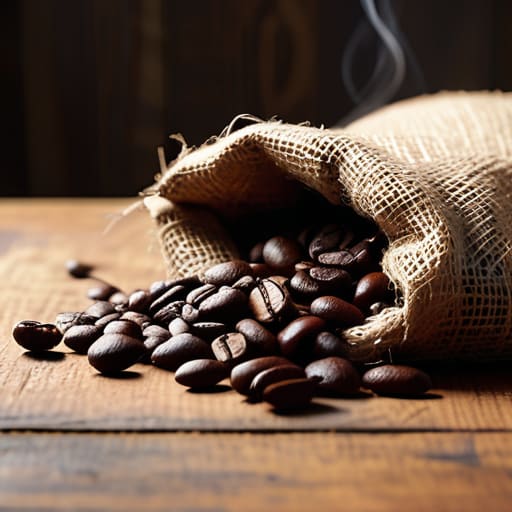
I don’t have time for complicated vacuum-sealed canisters that cost more than my grinder. After years of seeing people obsess over airtight containers, I’ve realized that the most important thing is actually quite simple: keep the beans out of the light and away from the heat. I keep my current bag in a dark cupboard, tucked behind the flour. It’s not fancy, but it stops the oils from going rancid. If you want to extend your coffee bean shelf life, just stop leaving the bag open on the counter while you scroll through your phone.
The biggest mistake I see is people trying to “save” coffee by putting it in the fridge. Don’t do it. Every time you open that door, moisture hits the beans, and you’re basically inviting oxidation to ruin your morning. I prefer a simple, opaque container that I can snap shut quickly. My goal isn’t to create a museum exhibit; it’s to ensure that when I finally start the degassing process in coffee beans by opening the bag, the scent is still there. Keep it dark, keep it dry, and keep it simple.
The Best Coffee Storage Methods That Actually Work in Practice
I’ve seen people get way too intense about this. They buy vacuum-sealed, nitrogen-flushed canisters that look like they belong in a space station, then leave them sitting on a sunny windowsill. It doesn’t matter how much you spent if you’re cooking the beans. For me, the goal is simple: keep the light out and the air out. I use a simple airtight container with a one-way valve. This allows the degassing process in coffee beans to happen without letting fresh oxygen rush in to ruin the party.
If you’re like me and buy a large bag of beans to last the week, don’t just shove the bag in the pantry. I keep my beans in a dark cupboard, away from the stove. And please, for the love of a good brew, keep them out of the fridge. I once tried the “fridge hack” I read about online, and it was a disaster. The moisture and temperature swings killed the aroma retention in whole beans almost instantly. Just find a cool, dark spot and a decent airtight jar. It’s not rocket science, but it’s the only way to actually protect your coffee bean shelf life.
The Bottom Line
At the end of the day, it all comes down to surface area. Once you grind those beans, you’re basically inviting oxygen to a feast, and it will eat your flavor profile alive. I’ve seen expensive bags of Ethiopian Yirgacheffe turn from a vibrant, jasmine-scented joy into something that tastes like dull cardboard in less than forty-eight hours just because they were pre-ground. Keeping your beans whole is the single most effective way to control the clock. It’s not about being a gear snob or following some complex science textbook; it’s simply about protecting the volatile compounds that make your morning ritual worth waking up for.
Don’t let the technical side of coffee intimidate you. You don’t need a laboratory-grade vacuum sealer or a custom-built humidity chamber to get a better cup. Just buy the whole beans, grind them right before you brew, and keep them in a cool, dark spot. If you do that, you’ll notice the difference immediately. Coffee should be a source of pleasure, not a chore of managing decay. Stop chasing the most expensive equipment and start focusing on the freshness instead. Your palate—and your morning—will definitely thank you.