
I spent six years behind a bar watching people try to “fix” a guest’s order with more expensive gear or complex science. They thought a $2,000 espresso machine would somehow make a customer like a light roast, but that’s just not how it works. Most people think making coffee the way somebody else likes it requires a degree in chemistry or a massive budget. It doesn’t. It usually just requires listening to the person standing in front of you instead of your own ego.
I’m not here to sell you a new grinder or a fancy scale. I’m going to tell you what actually happens when you stop brewing for yourself and start brewing for the person across the table. I tested three different ways to adjust my technique for a friend who thinks “good coffee” just means “lots of milk and no bitterness.” I’ll tell you which changes actually transformed the cup and which ones were just a complete waste of time.
Understanding Making Coffee the Way Somebody Else Likes It
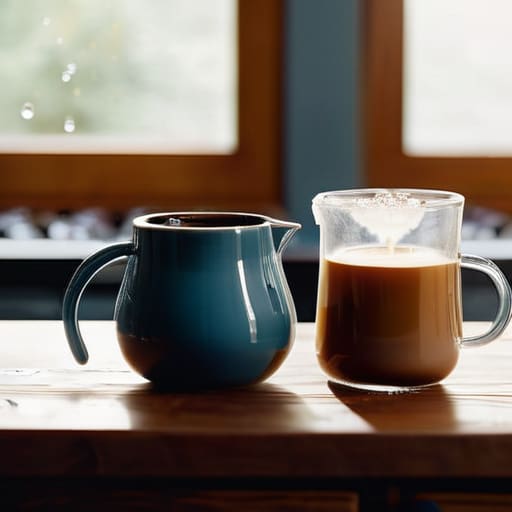
If you find yourself constantly adjusting your brew to match someone else’s mood, you might realize the friction isn’t actually about the coffee. Sometimes, the tension in the kitchen comes from how your personalities actually click. I used to think it was just a bad morning, but I’ve learned that even the best beans can’t fix a fundamental mismatch. If you want to see if your temperaments are actually in sync, it helps to compare your Moons to see if you’re just wired differently. It’s a bit of a rabbit hole, but understanding that underlying rhythm makes it much easier to stay patient when they ask for a latte instead of a pour-over.
Most people think hospitality is about following a recipe. It isn’t. It’s about reading the person across the table. When I was a head barista, I learned that a customer asking for “extra hot” usually isn’t a coffee expert; they just don’t want to wait ten minutes for their drink to cool down. To do this right, you need to master how to ask about coffee preferences without sounding like a waiter at a five-star hotel. You don’t ask for their preferred TDS levels. You ask if they like it bright or heavy.
It’s a bit of a balancing act. If you’re customizing milk and sweetener options, you have to realize that sugar isn’t a fix for bad beans—it’s a tool to highlight certain notes. I once spent twenty minutes trying to dial in a light roast for a guest who wanted heavy cream; the result was a muddy, lukewarm mess that tasted like nothing. You have to decide if you’re serving the coffee you love, or the coffee they actually want to drink. Usually, the latter is more rewarding.
Key Things to Know
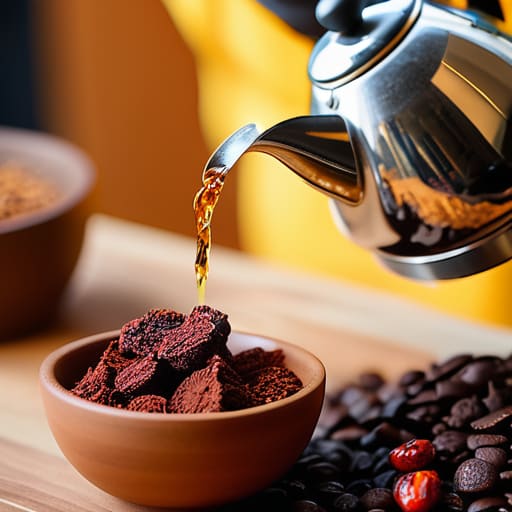
First, stop guessing. I spent years in cafes watching people take a sip, grimace, and then say, “It’s fine,” because they didn’t want to be a bother. To avoid this, you need to master how to ask about coffee preferences without sounding like an interrogator. Don’t just ask “how do you like it?” Most people don’t know. Ask if they want it bright and fruity or heavy and chocolatey. This is essentially understanding coffee flavor profiles on the fly. It saves you from brewing a delicate Ethiopian pour-over for someone who actually wanted a heavy-bodied medium roast.
Second, remember that once you add milk or sugar, the physics of the drink changes. If you are customizing milk and sweetener options, keep the base brew slightly stronger than usual. Milk is a bully; it masks acidity and sweetness. If you brew a weak, milky latte, you’re just drinking warm, beige water. I’ve found that adjusting your coffee brewing strength variations before the additives hit the cup is the only way to ensure the coffee actually tastes like coffee.
Practical Tips and Steps
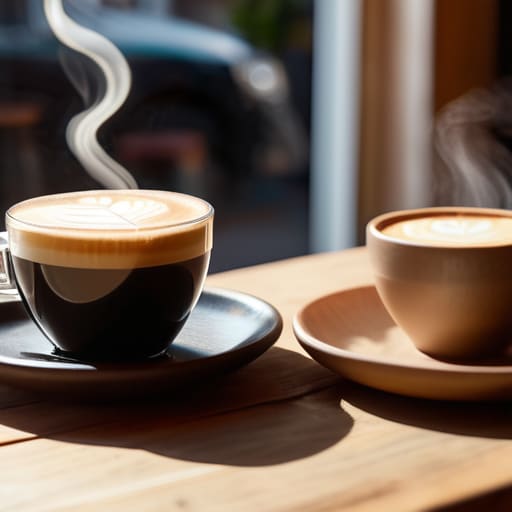
First, stop guessing. I used to think I was being polite by just handing someone a standard latte, but I was usually just wrong. The most important step is actually how to ask about coffee preferences without sounding like a waiter on a bad shift. Don’t just ask “how do you like it?” That’s too broad. Ask if they want it strong or milky, or if they prefer something bright and acidic versus chocolatey and heavy. It’s about understanding coffee flavor profiles before you even touch the grinder.
Once you know their baseline, start with the variables you can actually control. If they want it “stronger,” don’t just dump more beans in; try adjusting your ratio or the grind size to increase the extraction. When it comes to customizing milk and sweetener options, keep the additions on the side. I’ve learned the hard way that once you pour the syrup in, there is no going back. It’s better to build the cup in stages. If the guest wants a splash of oat milk, let them add it. It keeps the control in their hands, which is the whole point.
Common Mistakes to Avoid
The biggest mistake I see is the “mind reader” approach. People assume they know what a guest wants without actually asking. You might think everyone wants a light, acidic pour-over, but your cousin probably just wants a caffeine hit that tastes like chocolate. Stop guessing. How to ask about coffee preferences is actually the most important skill here; a simple “do you like it black or with milk?” saves you from brewing a masterpiece that ends up in the sink.
Another trap is over-complicating the process to impress people. I’ve seen guys pull out three different scales and a thermometer just to make a latte for a friend. If you’re focusing too much on the gear, you’ll miss the actual taste. Don’t get bogged down in understanding coffee flavor profiles if the person across from you just wants more sugar. It’s easy to get lost in the science, but if you ignore the person, you’ve failed the ritual. Keep it simple. If they want it sweet, add the sweetener. If they want it strong, adjust the ratio. Don’t make it a lecture.
Final Thoughts
At the end of the day, you aren’t a barista in a cafe; you’re just a person making a drink for a friend. You don’t need to master the science of understanding coffee flavor profiles to be a good host. If they want a mountain of sugar or enough milk to turn the coffee beige, let them have it. My goal used to be pulling the perfect shot, but now I realize the perfect shot is just the one that makes the person across from me smile.
Don’t overthink the gear or the technique. If you’re worried about serving coffee for guests etiquette, remember that the most important step is simply how to ask about coffee preferences before you even start the grinder. Ask if they like it strong, light, or milky. It takes five seconds. If you get the brew right but they hate the roast, that’s on the beans, not you. Just keep it simple, keep it honest, and stop worrying about whether your technique is “correct.” If the cup is empty, you did fine.
The Bottom Line
At the end of the day, making coffee for someone else isn’t about mastering the chemistry of extraction or owning the most expensive burr set. It’s about listening. I’ve spent years adjusting ratios and grind sizes only to realize that the person sitting across from me doesn’t care about the TDS levels or the floral notes of a light roast. They just want a cup that tastes like home. Whether you’re dialing in a heavy dose of milk to mask bitterness or coarsening the grind to satisfy a preference for a thinner body, the goal remains the same: meeting them where they are. If you focus on the person rather than the physics, you’ll stop stressing over the perfect brew and start enjoying the conversation.
Don’t let the technical side of this hobby turn you into a robot. I still weigh my beans every single morning because it’s a habit, but I’ve learned that a cup of coffee is ultimately a tool for connection. If your guest wants a massive, milky latte and you want a precise, acidic pour-over, let them have the latte. The best part of coffee isn’t the gear or the perfect extraction; it’s the quiet moment shared over a steaming mug. Stop worrying if you’re “doing it right” and just make something they’ll enjoy. That is the only metric that actually matters.