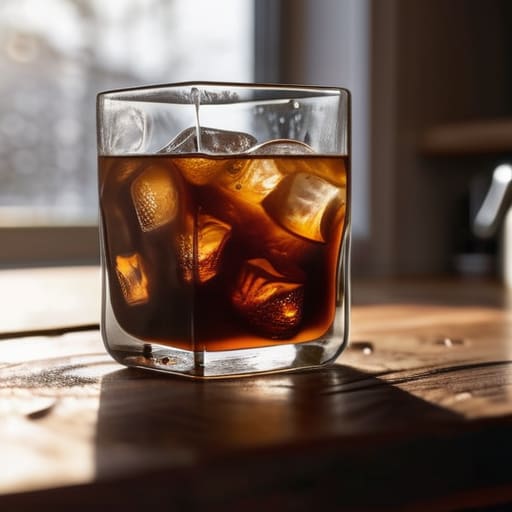
I once spent a whole week thinking I’d mastered the art of the batch brew, only to take a massive, bitter gulp of something that tasted like wet cardboard. I had followed a recipe to the letter, but I completely ignored the reality of cold brew concentrate and how long it keeps once it’s sitting in a glass jar. People love to sell you these fancy, airtight canisters or claim that vacuum sealing makes it immortal, but most of that is just expensive marketing fluff. In my experience, the clock starts ticking the second that coffee hits the fridge, and no amount of high-end gear is going to stop the flavor from falling apart.
I’m not here to give you a lecture on chemical oxidation or some scientific theory from a textbook. I’m going to tell you what actually happens to the taste of my concentrate after three days, five days, and ten days. I’ve sat there with my notebook, tasting the decline, so you don’t have to waste your good beans on a cup of stale sludge. We’ll look at the real window for freshness and exactly when you should stop drinking it.
Understanding Cold Brew Concentrate and How Long It Keeps
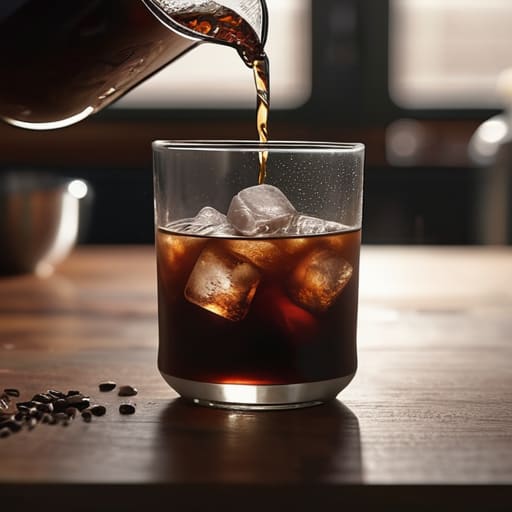
First, let’s get the terminology straight. I don’t make “coffee” in a big batch; I make a heavy-duty concentrate. This is essentially a liquid extraction designed to be stretched out later. Because the extraction happens over twelve to twenty-four hours in cold water, you aren’t dealing with the same volatile acids you get in a hot pour-over. This makes the cold brew oxidation process a bit slower, but it isn’t magic. It won’t stay fresh forever just because it’s cold.
When I’m prepping a batch, I always look for the best containers for coffee concentrate—usually glass jars with a tight seal. If you leave it in an open pitcher, you’re just inviting the fridge to steal the flavor. I’ve noticed that if I don’t use an airtight seal, the coffee starts tasting flat and metallic within forty-eight hours.
The real danger isn’t just bad flavor; it’s safety. You need to watch for the obvious signs of spoiled cold brew, like a weirdly sour funk or a film on the surface. If it smells like a wet basement, toss it. I never leave my batches on the counter; refrigeration vs room temperature coffee is a non-negotiable debate in my kitchen. Keep it cold, keep it sealed, and you’ll be fine.
Key Things to Know
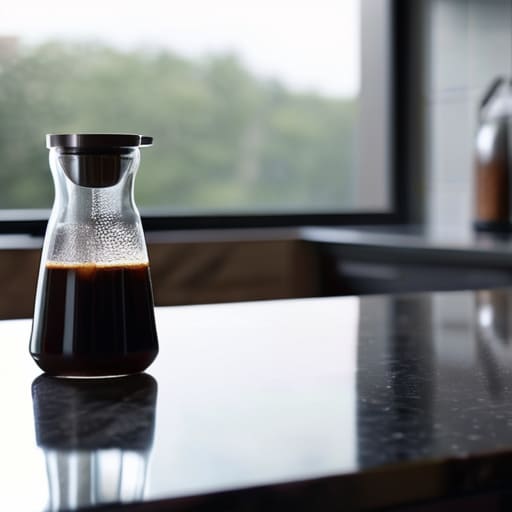
First, let’s talk about the container. I’ve tried everything from wide-mouth mason jars to narrow glass carafes. If you want to slow down the cold brew oxidation process, go with glass and keep the surface area small. Air is the enemy here. I usually use a slim, airtight glass bottle; it minimizes the amount of oxygen touching the liquid, which helps keep the flavor from turning flat and metallic after a few days.
Don’t even think about leaving it on the counter. The debate of refrigeration vs room temperature coffee isn’t even a debate for concentrate—it’s a survival tactic. If it sits out, you aren’t just risking bad taste; you’re inviting bacteria to throw a party.
Watch for the red flags. If you see a weird film on top or if it smells like something fermented or sour, toss it. Those are the obvious signs of spoiled cold brew, but sometimes it’s more subtle. If the bright, chocolatey notes you expected turn into a dull, funky bitterness, the clock has run out. Don’t try to “fix” it with more milk. Just start over.
Practical Tips and Steps
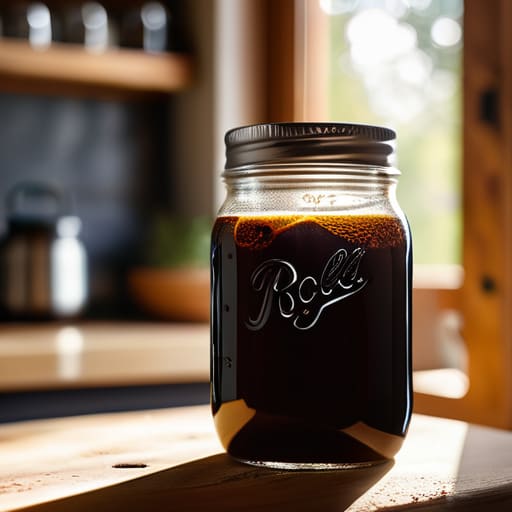
Don’t just dump your brew into a random plastic pitcher. If you want to slow down the cold brew oxidation process, use a glass mason jar with a tight-sealing lid. Plastic is porous; it breathes, and when your concentrate breathes, it loses its soul. I’ve found that filling the jar all the way to the top—minimizing the air gap—is the easiest way to keep the flavor from turning flat and metallic.
When you finally sit down to drink, remember that your coffee concentrate dilution ratios are your best friend for freshness. If you’re making a massive batch, don’t dilute the whole thing at once. Keep the concentrate pure in the fridge and only mix what you need for that specific glass. This helps with preventing mold in cold brew because you aren’t introducing fresh water or milk into the main reservoir every single morning. Keep the core batch untouched, and it’ll stay much cleaner.
Common Mistakes to Avoid
The biggest mistake I see is treating concentrate like a fine wine that needs to breathe. It doesn’t. In fact, the cold brew oxidation process is your enemy. If you leave your jar sitting on the counter overnight, you’re essentially inviting stale, flat flavors to move in. Stick to the fridge. Always.
Another trap is using the wrong gear. I’ve seen people try to store large batches in wide-mouth mason jars that aren’t even airtight. If air gets in, the flavor dies. You want the best containers for coffee concentrate, which usually means something with a tight-sealing lid and minimal headspace. If there’s too much air in the jar, you’re just accelerating the decay.
Finally, don’t ignore your senses. People get too obsessed with timers and forget to actually taste. If you see any weird film on top or smell something sour, stop. Those are the clearest signs of spoiled cold brew, and no amount of milk or sugar is going to fix a batch that has gone rogue. If it tastes like a basement, toss it.
Final Thoughts
At the end of the day, don’t overthink the science. I used to spend way too much time worrying about the exact mechanics of the cold brew oxidation process, but the reality is simpler: if it tastes like it, it probably is. I’ve learned that the most important factor isn’t some complex chemical timeline, but how you handle the jar. Stick to glass, keep it airtight, and don’t go sniffing the jar every few hours.
If you notice a funky, sour smell or see anything floating on the surface, just toss it. Those are the obvious signs of spoiled cold brew, and no amount of milk or sweetener will save a batch that has gone bad. I’ve tried pushing my batches to the eleven-day mark, but by day eight, the brightness is gone and it just tastes flat. Keep your concentrate in the fridge, use a clean spoon every time you scoop, and you’ll be fine. Life is too short to drink coffee that’s lost its soul.
The Bottom Line
Look, the science is simple: keep it in a sealed glass jar, keep it in the coldest part of your fridge, and don’t let it sit there for more than a week if you actually want it to taste like coffee. I’ve made the mistake of letting a batch linger for two weeks, and let me tell you, it tasted less like bright Ethiopian beans and more like stale cardboard. Stick to the basics. Use a clean container, watch your dilution when you’re finally ready to drink it, and remember that freshness is your only real metric for quality. If it smells sour or looks cloudy, just pour it down the sink and start over.
At the end of the day, don’t let the obsession with “perfect” shelf life turn your morning ritual into a chore. Cold brew concentrate is meant to be a tool for convenience, a way to make a great cup without the fuss of a pour-over when you’re halfway out the door. Whether you’re mixing it with oat milk or drinking it black over ice, the goal is simply to enjoy the brew. Stop worrying about the exact minute it expires and just focus on what’s actually in your cup right now. If it tastes good, you’ve won.