
I was sitting in a friend’s living room last Tuesday, trying to enjoy a light-roast Ethiopian pour-over I’d spent twenty minutes dialing in. The air smelled like jasmine and citrus, but my friends were sipping lukewarm herbal tea and staring at me like I was performing a chemistry experiment. There is a specific kind of awkwardness that comes with drinking coffee around people who do not drink it. You start feeling like a pretentious outlier just because you won’t settle for a cup of brown water. It isn’t about the caffeine; it’s about the ritual feeling suddenly, strangely heavy in a room that doesn’t care.
I’m not here to tell you that you need a specialized travel kit or a way to hide your V60 to fit in. I don’t care about the social etiquette of the bean. Instead, I want to talk about what actually happens when your hobby hits the real world. I’ll be looking at how to navigate these moments without losing the quality of the brew or your sense of humor. If a certain setup makes the experience more stressful without actually improving the taste, I’ll tell you.
Understanding Drinking Coffee Around People Who Do Not Drink It
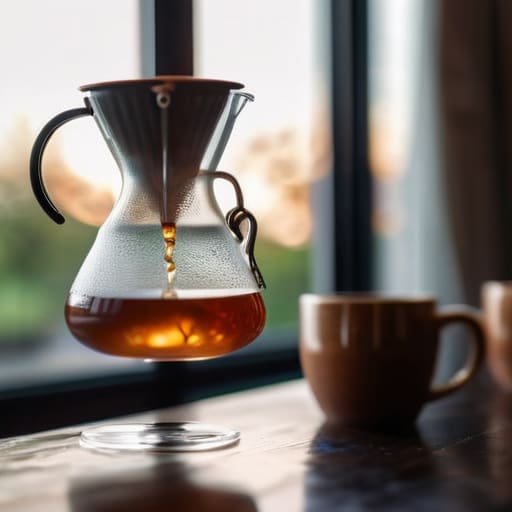
It’s a strange friction. I’ve sat in living rooms where my ritual—the precise weighing of beans, the careful bloom, the scent of a light roast—felt like I was performing a chemistry experiment in a library. You aren’t just making a drink; you’re bringing a specific energy into the room. When you’re navigating social caffeine habits with people who view coffee as nothing more than bitter brown water, there is an unspoken tension. They see a hobby; you see a precise, sensory experience.
The real trick isn’t about the gear or the bean origin, though. It’s about coffee drinker social etiquette. I’ve learned that if I spend twenty minutes dialing in my V60 while my friends are just trying to catch up, I’ve already lost the room. It’s a delicate balance between honoring your own process and respecting non-coffee drinkers who just want to exist without the smell of a freshly opened bag of Ethiopian Yirgacheffe hitting them in the face. You have to decide if the ritual is for you, or if it’s for the company. Usually, it’s better if it’s just for you.
Key Things to Know

First, don’t be that person. We’ve all seen the guy who treats a casual meetup like a cupping session, pulling out a scale and a gooseneck kettle while everyone else is just trying to have a conversation. Navigating social caffeine habits isn’t about being a snob; it’s about reading the room. If you’re at someone’s house, your ritual should be quiet. If the aroma of a light-roast Ethiopian fills the room and makes people uncomfortable, you’ve missed the point of the gathering.
It’s also about being aware of the biology in the room. I’ve sat in meetings where someone was clearly struggling with managing caffeine sensitivity in groups, looking like they were about to vibrate out of their chair. Respecting non-coffee drinkers means acknowledging that for some, that second espresso isn’t a treat—it’s a physiological hurdle. You don’t need to force a lifestyle on them. Just brew your perfect cup, enjoy the notes of jasmine or citrus, and keep the gear talk to a minimum unless someone actually asks.
Practical Tips and Steps
If you find yourself in a situation where your ritual clashes with the room, start with the gear. If you’re meeting a friend at their place, don’t pull out a manual hand grinder and a digital scale unless they’ve specifically asked for a demonstration. It’s a fine line between sharing a passion and being “that guy.” When navigating social caffeine habits, the best move is often to keep your setup discreet. If you must brew, aim for a method that doesn’t turn the kitchen into a laboratory.
The real trick is respecting non-coffee drinkers by being mindful of the sensory footprint. The smell of a fresh pour-over is lovely to me, but to someone sensitive to caffeine or strong aromas, it can feel invasive. I’ve learned that coffee drinker social etiquette mostly boils down to reading the room. If the group is leaning into a quiet, tea-focused vibe, don’t force a high-acid light roast into the conversation. Sometimes, the best way to enjoy your brew is to simply enjoy it quietly.
Common Mistakes to Avoid
Don’t be that person who turns a casual hang into a lecture on extraction yields. I’ve seen it happen. You’re at a friend’s house, they offer tea, and suddenly you’re explaining why their kettle isn’t hitting the right temperature for a pour-over. It’s a quick way to make everyone uncomfortable. Part of coffee drinker social etiquette is knowing when to shut up about the beans. If they aren’t interested in the notes of jasmine or stone fruit, don’t force it. It doesn’t make the coffee taste better; it just makes the room feel heavy.
Another mistake is assuming everyone has the same tolerance. I used to think a double espresso was a standard greeting, but I quickly learned that managing caffeine sensitivity in groups is a real thing. Some people get the jitters from a single cup, while others are fine with anything. If you’re hosting, don’t make the caffeine the center of the social experience. You can still enjoy your ritual without making it a barrier to socializing without coffee. Keep the focus on the conversation, not just the cup.
Final Thoughts
At the end of the day, my ritual is just a way to start the morning. It’s not a personality trait, even if I sometimes act like it is. When I’m out with friends, I’ve realized that navigating social caffeine habits isn’t about the beans or the extraction time. It’s about the people. If I spend twenty minutes fussing over a pour-over while everyone else is just trying to have a conversation, I’ve missed the point of the gathering entirely.
I’ve learned that the best way to handle these moments is through simple coffee drinker social etiquette: be present. You can enjoy a high-quality brew without making it a performance. If someone is sensitive to the jitters or just doesn’t care for the taste, I don’t lecture them on acidity or body. I just drink my coffee and enjoy the company.
Ultimately, the gear stays in my kitchen. Out in the world, the goal is just to be a decent human being. The coffee is secondary; the connection is what actually matters.
The Last Sip
At the end of the day, navigating a room full of non-coffee drinkers isn’t about the gear or the exact temperature of your water. It’s about managing the friction between your ritual and their reality. I’ve learned that if you try to explain the nuances of a light-roast Ethiopian bean to someone who just wants a quick caffeine hit, you’re going to lose them. Focus on the basics: keep your setup discreet, avoid the lecture, and don’t make your obsession their problem. If you can keep the ritual quiet and the gear out of the way, you can enjoy your brew without making the whole room feel like they’re missing out on some secret club.
Ultimately, coffee is just a way to start the day, even if my way is a bit more complicated than most. Whether you’re using a high-end grinder or just a basic drip machine, the goal is the same: a good cup and a bit of peace. Don’t let the social awkwardness ruin the flavor of your morning. If you can find that balance between your passion and the people around you, you’ve mastered the most important part of the craft. Enjoy the coffee, respect the space, and remember that the best brew is the one you actually get to drink in peace.