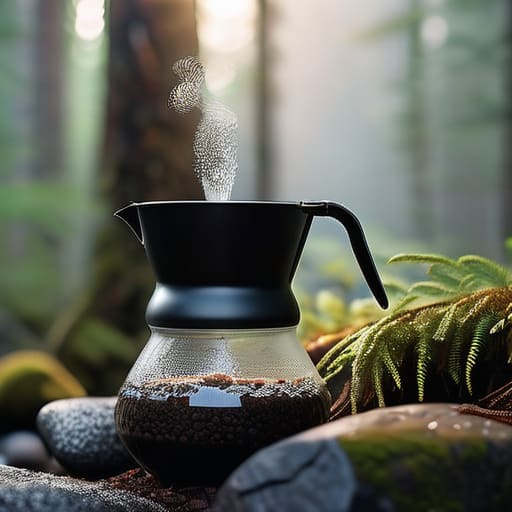
I once watched a guy spend forty minutes setting up a titanium pour-over station on a jagged rock face, only to realize he’d forgotten his kettle. He had all the “pro” kit, but he was still drinking lukewarm sludge. Most people think mastering coffee outdoors and the gear that survives it requires a massive budget and a heavy backpack, but that’s mostly marketing nonsense. If your gear is too fragile to survive a clumsy drop or a sudden rainstorm, it’s not outdoor gear—it’s just expensive kitchenware that happens to be outside.
I’m not here to sell you on titanium everything or fancy gadgets that break the moment they touch dirt. My goal is simple: I’ll tell you what actually works when you’re miles from a power outlet. I’ve tested everything from ultralight plastic drippers to heavy-duty grinders in some pretty miserable conditions. If a piece of kit makes the coffee taste better without adding unnecessary weight, I’ll tell you. If it’s just overpriced junk that fails when things get messy, I’ll tell you that, too.
The Truth About Coffee Outdoors and the Gear That Survives It
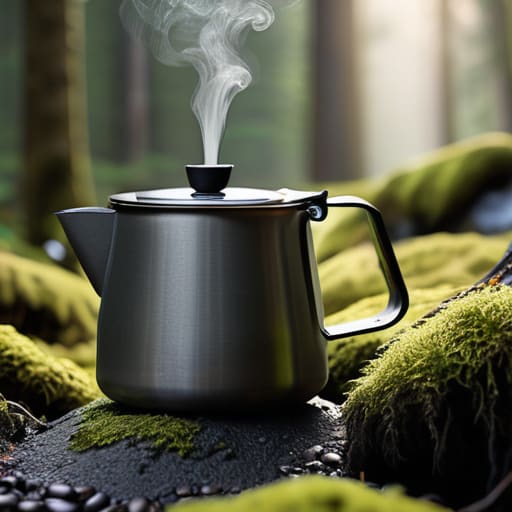
I’ve spent too many mornings trying to make a decent brew while shivering in a damp tent. Most people think they need a massive, complex overlanding coffee setup to get a good cup in the wild, but that’s usually a mistake. Complexity is the enemy of a quiet morning. If your gear requires a PhD and a stable power grid to function, it doesn’t belong in your pack. I’ve learned that the most expensive kit often fails the moment it hits a bit of trail dust or a sudden downpour.
I recently tested a few high-end portable espresso makers for hiking, expecting a revolution. Instead, I found that most of them are just finicky little toys that break if you look at them wrong. If you want something that actually lasts, look at the build quality. I usually lean toward stainless steel over titanium for my heavy-duty stuff. Titanium is light, sure, but it feels flimsy when you’re trying to grind beans in a windy clearing. For me, durability is the only metric that actually matters once you leave the kitchen.
Why My Expensive Portable Espresso Makers for Hiking Failed Me
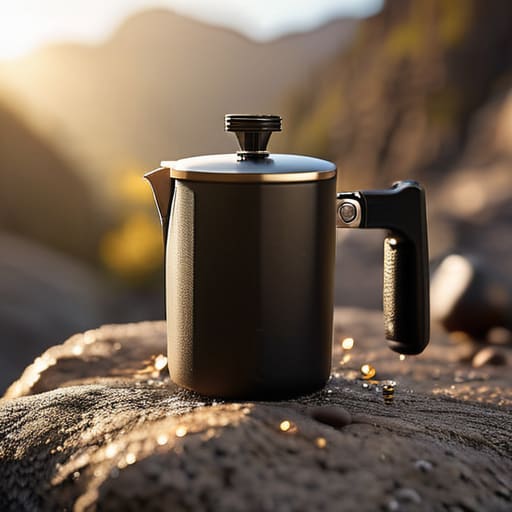
I spent three months obsessing over the specs of various portable espresso makers for hiking. I wanted that thick, syrupy shot to hit my tongue while staring at a mountain range. I bought the high-end, hand-pumped models that promise cafe-quality pressure. They looked great in the catalog.
Then I actually took them into the field.
The reality is a headache. Most of these devices are finicky. If your water temperature is off by just a few degrees because the wind is hitting your stove, the extraction fails. I tried to use a high-end manual press on a particularly cold morning in the Carpathians, and it was useless. The pressure felt inconsistent, and the cleanup was a nightmare in a cramped tent. I realized that many of the “best” lightweight camping coffee makers are actually just fragile toys. They work perfectly on a flat kitchen counter, but they struggle when you’re dealing with uneven ground or a bit of grit in your pack. I’ve learned that simplicity beats complexity every single time when you’re miles from a power outlet.
Testing the Best Lightweight Camping Coffee Makers in Real Mud
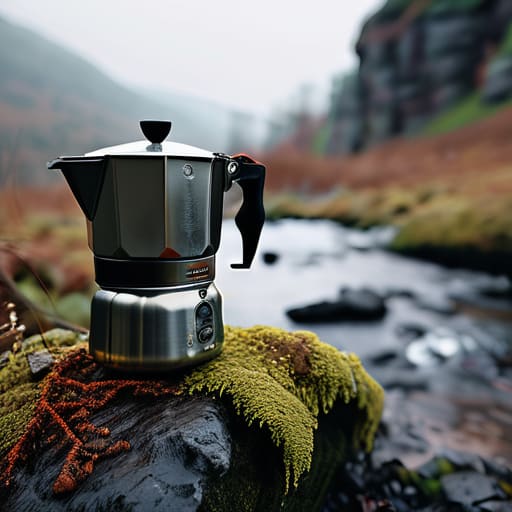
Last weekend, I took my kit into the hills near Visegrád. I wanted to see if these “ultralight” gadgets actually held up once the wind started biting and the ground turned to sludge. I tested a few of the best lightweight camping coffee makers on the market, focusing on things that wouldn’t snap the moment I bumped them against a rock.
I started with a titanium pour-over cone. It’s featherlight, sure, but I quickly realized the stainless steel vs titanium coffee gear debate isn’t just about weight; it’s about heat retention. The titanium felt cold almost instantly in the mountain air. I had to pre-heat it aggressively just to keep the extraction from stalling.
Then I tried a small manual grinder. Most people worry about weight, but for me, it’s all about backpacking coffee grinder durability. I dropped mine once on a granite slab while trying to find a flat spot for my stove. It survived, but it rattled. If a grinder can’t handle a little tumble, it has no business being in my pack.
My Overlanding Coffee Setup Heavy Metal or Just Heavy
Last month, I packed my truck for a week in the mountains, and I brought my full overlanding coffee setup along. I traded the lightweight stuff for heavy metal. I’m talking a heavy-duty stainless steel pour-over and a manual grinder that feels like it could survive a car crash. People ask me why I don’t just stick to the best lightweight camping coffee makers I’ve reviewed before. The answer is simple: weight doesn’t matter when your vehicle is doing the heavy lifting.
I spent a lot of time debating stainless steel vs titanium coffee gear while packing. Titanium is light, sure, but it feels flimsy when you’re trying to stabilize a brew on a shaky camp table. I went with the steel. It’s heavy. It’s stubborn. But it stays put. The real test was the grind consistency after three days of bumpy dirt roads. Most backpacking coffee grinder durability is tested in a backpack, but mine was tested in a vibrating metal box for six hours. The beans came out perfect. The weight was worth the stability.
Stainless Steel vs Titanium Coffee Gear the Cup Doesnt Lie
I spent a week comparing a titanium pour-over cone against a standard stainless steel one during a rainy trek in the Carpathians. Most gear reviews will tell you titanium is the holy grail because it’s lighter and stronger. Sure, it’s lighter. But when I sat there in the damp morning air, the coffee didn’t taste “lighter.” It tasted the same. The real debate of stainless steel vs titanium coffee gear usually comes down to weight, not flavor.
If you are building a serious overlanding coffee setup, weight is a secondary concern to durability. You have a truck; you can carry the extra fifty grams of steel without breaking a sweat. Steel feels more substantial in the hand, and frankly, it’s harder to dent when you toss it into a metal toolbox. Titanium is great for those obsessed with every gram in their pack, but for my money, the marginal weight savings don’t justify the price jump if you’re just looking for a decent cup of black coffee. In the end, the metal doesn’t change the bean.
Will This Backpacking Coffee Grinder Durability Hold Up to Granite
I spent three days in the High Tatras last week, and my gear took a beating. Most people worry about whether their coffee tastes good, but when you’re scrambling over loose scree, you worry about whether your gear is going to snap. I’ve seen too many “ultralight” grinders turn into expensive piles of plastic shards because someone leaned too hard against a rock. When we talk about backpacking coffee grinder durability, we aren’t just talking about the burrs; we’re talking about the housing.
I put my current titanium hand grinder through the wringer. I dropped it once on a granite slab while trying to find a flat spot for my stove. I held my breath, waiting for that sickening crack of a broken adjustment dial. It didn’t happen. It survived, though it looks a bit more “weathered” now. If you are looking for the best lightweight camping coffee makers, don’t just look at the weight on the spec sheet. Look at the joints. If it feels like a toy, it will break like a toy when the trail gets steep.
Weatherproof Coffee Brewing Tools That Actually Taste Like Coffee
Most people think “weatherproof” means it won’t break if you drop it in a creek. To me, it means the tool doesn’t lose its soul when the temperature drops or the wind picks up. I’ve seen too many fancy gadgets that work perfectly in a climate-controlled kitchen but fail the moment you’re dealing with actual elements. If your gear relies on delicate plastic seals or finicky electronic timers, it isn’t meant for the woods. I stick to the basics: heavy-duty materials that don’t care about a little grit or a sudden downpour.
When I’m building an overlanding coffee setup, I prioritize thermal mass over everything else. A thick stainless steel kettle might be a pain to pack, but it holds heat far better than a flimsy aluminum one when you’re brewing on a cold morning. I’ve learned that the best lightweight camping coffee makers aren’t always the ones that weigh the least. They are the ones that actually deliver a clean extraction without making you feel like you’re fighting your equipment just to get a decent caffeine hit.
The Final Brew
After weeks of testing everything from titanium drippers to heavy-duty overlanding kits, the verdict is simple. Most of the expensive, “ultralight” gear is just marketing fluff that breaks the first time you drop it on a rock. I’ve learned that the most durable setups aren’t necessarily the fanciest; they are the ones that don’t rely on delicate plastic parts or complex pumps that fail when the temperature drops. If you want a cup that actually tastes like coffee and not like burnt disappointment, focus on reliable grinding and temperature control. You don’t need a $300 espresso machine in your backpack; you just need gear that doesn’t quit when the weather turns sour.
At the end of the day, I don’t care if your setup weighs five ounces or five pounds. I care that when you finally sit down after a long hike, the coffee tastes exactly how it should. Coffee is just a tool to make the outdoors feel a little more like home. Stop obsessing over the spec sheets and the weight savings, and just bring the stuff that works. Whether it’s a battered stainless steel mug or a high-end manual grinder, the best gear is the kind that lets you stop thinking about the equipment and start enjoying the view.