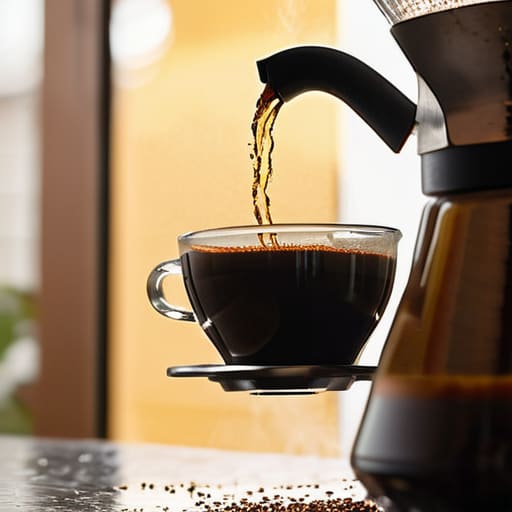
I spent three years watching people in specialty cafes obsess over the exact angle of their wrist, as if a three-degree tilt was the secret to salvation. They buy $200 gooseneck kettles and spend twenty minutes staring at a timer, convinced that the v60 and why the pour matters boils down to some mystical, sacred geometry. It’s exhausting. I’ve seen baristas treat a simple pour like a high-stakes surgery, yet half the time, the coffee still tastes bitter and thin.
I’m not here to sell you on a new ritual or a more expensive kettle. This week, I actually sat down and tested three different pour styles—circular, center-heavy, and the dreaded spiral—using the same beans and the same old grinder I keep in my kitchen. I’ll tell you exactly which ones actually changed the acidity in my cup and which ones were just a waste of time. If a fancy technique didn’t make my morning brew taste better, I’m going to tell you straight.
Understanding the V60 and Why the Pour Matters
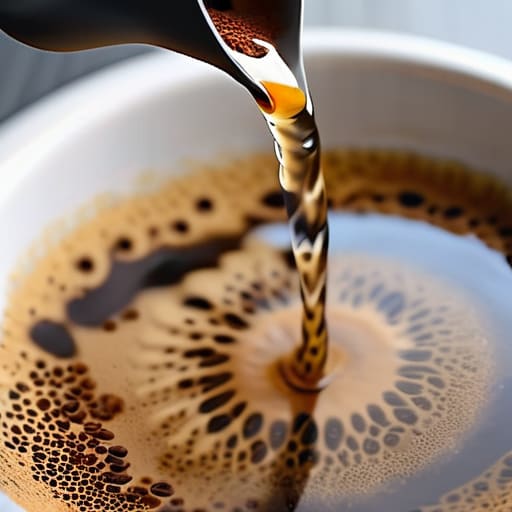
The V60 is a bit of a trickster. On paper, it’s just a cone with ridges and a single hole at the bottom. But in practice, it’s a game of physics. Because of that shape, the water doesn’t just sit there; it wants to find the path of least resistance. If you pour like you’re filling a bucket, the water rushes straight through the center, bypassing most of the grounds. This is where the conical filter coffee science actually hits your tongue. You aren’t just wetting beans; you are managing how much water touches which particle at exactly what moment.
This is why people obsess over the gooseneck kettle importance. I used to think a fancy spout was just for show, but it’s about control. When I start the coffee bloom phase, I need to saturate every single grain evenly so the gases escape. If my pour is uneven, some grounds stay dry while others get over-extracted. It’s a delicate balance. If you can’t control the flow, you aren’t really brewing; you’re just watching gravity do the work for you.
Key Things to Know
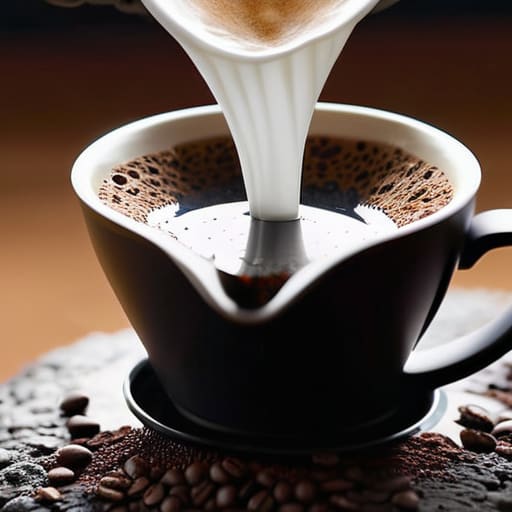
First, let’s talk about the coffee bloom phase. It’s not just some ritualistic dance for the sake of looking professional. When you hit the grounds with that first bit of water, you’re watching the gas escape. If you rush this or skip it, the CO2 just pushes the water away, and you end up with a cup that tastes flat. I’ve tried skipping it on busy mornings just to save thirty seconds, and the difference in clarity is immediate.
Then there is the physics of it all. People obsess over the conical filter coffee science, but for me, it comes down to how much water actually touches the grounds. This is where the gooseneck kettle importance actually hits home. I used to use a standard stovetop kettle, and my pours were chaotic. You need that thin, steady stream to control the turbulence. If you dump the water in like you’re filling a bucket, you’re just guessing. I’ve spent weeks tweaking my pour height, and honestly, once you find a rhythm, the cup finally starts tasting consistent.
Practical Tips and Steps
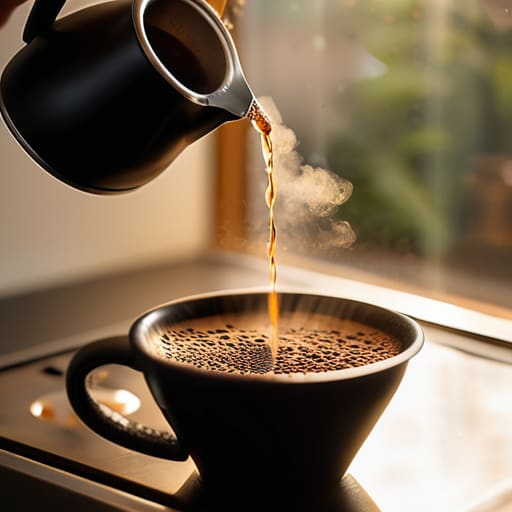
First, stop treating the kettle like a pitcher. If you aren’t using a gooseneck, you aren’t really pouring; you’re just dumping. I tried using a standard electric kettle last Tuesday because I was feeling lazy, and the result was a muddy, uneven mess. You need that thin stream to control exactly where the water hits the grounds. Aim for the center, but avoid hitting the paper walls directly. If the water just slides down the side, you’re losing half your flavor to the drain.
Once you have the flow under control, focus on the coffee bloom phase. Pour just enough water to soak the grounds—about double the weight of the coffee—and wait thirty seconds. I used to rush this part, but watching the bubbles escape makes a massive difference in how much sweetness you actually pull out. After that, keep your pours steady and circular. Don’t go crazy with the speed; it’s about consistent agitation, not a workout. If your stream is erratic, your extraction will be too. Keep it simple.
Common Mistakes to Avoid
The biggest mistake I see—and I’ve made it a thousand times—is treating the water like it’s just a passive ingredient. People focus so much on the beans that they forget the water temperature for pour over is what actually unlocks the flavor. If your water is too cool, you’re just drinking expensive, sour tea. If it’s boiling, you’re burning the soul out of the roast. It sounds dramatic, but the cup doesn’t lie.
Then there’s the “dump and pray” method. I see people pouring water into the V60 like they’re filling a bucket, ignoring the coffee bloom phase entirely. If you don’t let those gases escape during the first thirty seconds, you’re essentially choking your extraction. You’ll end up with a cup that tastes flat and muddy, no matter how much you spent on the beans.
Lastly, stop neglecting your tools. You can buy the most expensive specialty beans in the world, but if you aren’t using a steady stream, you’re wasting your money. This is where gooseneck kettle importance actually hits home. Without that control, you’re just guessing, and guessing usually tastes like disappointment.
Final Thoughts
At the end of the day, most of the gear nerds will tell you that you need a $300 grinder or a temperature-controlled kettle to master this. I don’t buy it. I’ve spent enough mornings messing around with different water temperature for pour over settings to know that the most important thing is just paying attention. If your coffee tastes sour, change your grind. If it’s bitter, slow down your pour.
Don’t get lost in the math of a perfect v60 brew ratio guide and forget to actually taste the liquid. You can follow every rule in the book, but if you aren’t enjoying the cup, you’re just doing chores. I’ve learned that consistency is better than perfection. Once you find a rhythm that works for your hands and your palate, stop tweaking things. Just brew the damn coffee and sit down to enjoy it. That’s the whole point, isn’t it?
The Bottom Line
At the end of the day, the V60 is just a piece of ceramic and some paper. We talk a lot about agitation, pour speed, and thermal stability, but none of that matters if you aren’t paying attention to the actual extraction. I’ve spent way too many mornings obsessing over whether my spiral pour was perfectly concentric, only to realize I’d used beans that were three weeks past their prime. Focus on the basics: keep your grind consistent, watch your temperature, and try to keep your pour steady. If you do those things, the technique will eventually follow without you having to think about it like a math equation.
Don’t get caught in the trap of thinking you need a thousand-dollar setup to make a decent cup. I’ve tasted incredible coffee from a cheap plastic dripper and mediocre coffee from gear that costs more than my first car. The goal isn’t to master a perfect ritual; the goal is to enjoy the drink. If your pour is a little messy but the coffee tastes bright and sweet, you’ve won. Stop worrying about the perfect pour pattern and just go make a cup of coffee. You can always adjust the variables tomorrow.