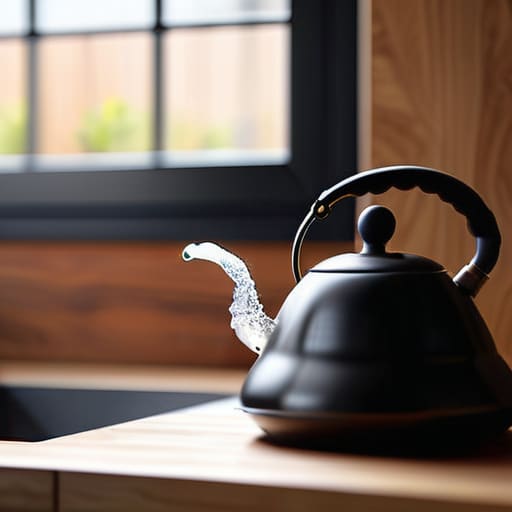
I spent years behind a bar watching people drop a small fortune on shiny new gear, thinking the hardware would magically solve their bad brewing. Most of the hype surrounding gooseneck kettles and what they fix is pure nonsense. People think a long, thin spout is a magic wand for flavor, but if your technique is sloppy or your beans are stale, that expensive kettle is just a very pretty way to make bad coffee. I’ve seen plenty of pros use cheap electric kettles and get better results than a hobbyist with a thousand-euro setup.
I’m not here to sell you on a lifestyle or a brand. I’ve spent the last week testing my old reliable kettle against a high-end precision model, and I’m going to tell you exactly where the line is between actual utility and expensive theater. If a specific kettle changed the clarity of my pour-over, you’ll hear it. If it didn’t change the taste in my cup at all, I’ll tell you that, too. No fluff, just what actually matters when you’re standing in your kitchen at 7:00 AM.
Understanding Gooseneck Kettles and What They Fix
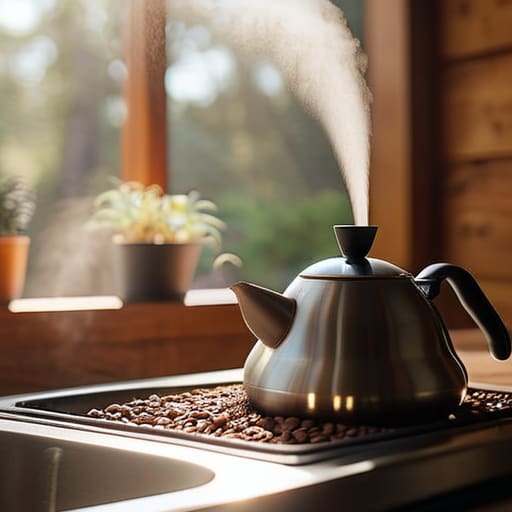
Look, at its simplest, a gooseneck is just a kettle with a long, thin neck. Most people think it’s about looking professional in a kitchen video, but it’s actually about controlling water flow rate. When you use a standard wide-mouth kettle, the water dumps out in a chaotic glug. You end up hitting the coffee grounds with a heavy wave that disturbs the bed and creates channels. That’s a fast track to a sour, uneven cup.
By using a narrow spout, you gain much tighter precision over where that water actually lands. This is the core of improving pour over coffee extraction. Instead of a flood, you get a steady, thin stream. You can spiral outward from the center or target specific zones without splashing. It’s less about the fancy metal and more about preventing uneven coffee brewing caused by sheer lack of control. If you can’t direct the water, you’re basically just gambling with your beans.
Key Things to Know
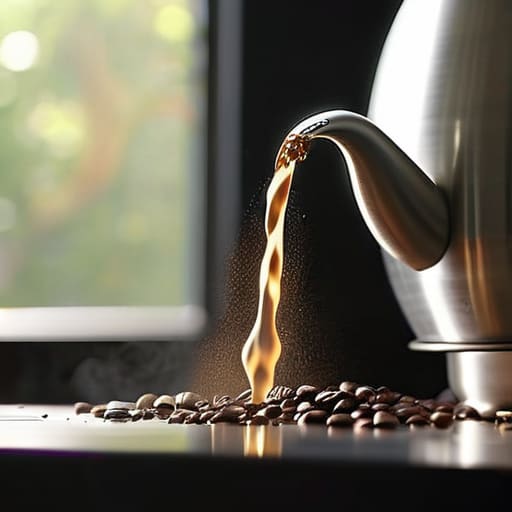
First, let’s talk about the physics of it. When you use a standard kettle, you’re basically fighting a losing battle against gravity. The water comes out in a chaotic surge, which is a recipe for disaster. A decent gooseneck is all about controlling water flow rate. If you can’t direct the stream, you end up with “channeling”—where the water finds one easy path through the grounds and ignores the rest. That’s how you end up with a cup that tastes both sour and bitter at the same time.
Then there is the matter of the pour itself. If you want to master a manual pour over technique, you need a steady hand and a predictable spout. I’ve spent way too much time watching the bloom on a V60, and I can tell you that even a tiny wobble in your stream can ruin the whole thing. It’s not just about being fancy; it’s about preventing uneven coffee brewing by ensuring every single grain of coffee gets the same amount of attention. If the water isn’t hitting the bed consistently, you’re just wasting expensive beans.
Practical Tips and Steps
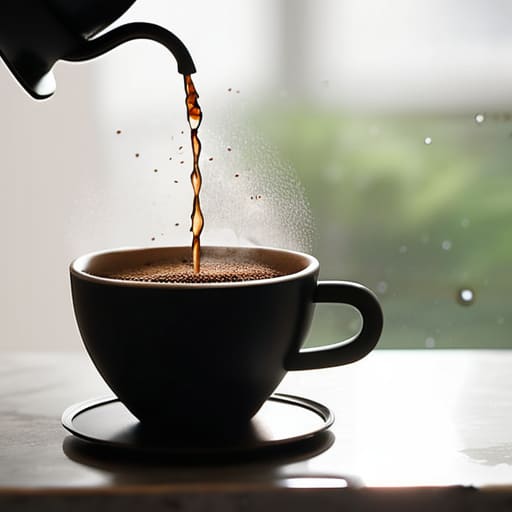
Start with your bloom. If you’re using a standard kettle, you’re basically just dumping water and hoping for the best. With a gooseneck, I use the thin spout to pour just enough water to wet the grounds—about double the weight of the coffee—and wait thirty seconds. This is where controlling water flow rate actually matters. You want a gentle, circular motion that saturates everything without creating a massive crater in the center of the bed.
Once the bloom is done, keep those circles tight. Don’t wander all over the brewer; stay focused on a consistent pattern to avoid channeling, which is just a fancy way of saying you’re washing some grounds while others stay dry. If you see water pooling in one spot, your technique is off. I’ve found that a steady, slow stream is the secret to improving pour over coffee extraction without needing a PhD in physics. It’s not about the price of the kettle, it’s just about not being messy with the pour.
Common Mistakes to Avoid
Don’t assume the kettle does the work for you. I’ve seen people buy a premium gooseneck and then pour like they’re watering a dying fern. If your hand is shaking or your wrist is too stiff, you aren’t actually controlling water flow rate; you’re just making a mess. A fancy spout is just a tool. If you don’t practice the rhythm, you’ll end up with channels in the grounds, which is the fastest way to ruin a perfectly good bag of beans.
Another trap is obsessing over the kettle while ignoring the heat. You can have the most precise spout in Budapest, but if you aren’t paying attention to temperature control for pour over, the gear is useless. I once spent a week trying to fix a sour brew by changing my pouring pattern, only to realize my kettle had cooled down too much during the bloom. Don’t let the shiny hardware distract you from the basic physics of the brew. Keep your eyes on the coffee, not just the spout.
Final Thoughts
Look, I’m not telling you to go out and drop a month’s rent on a designer kettle just because a YouTube reviewer told you to. If you already have a steady hand and a decent setup, you might not need the upgrade. But if you’re struggling with bitter, muddy cups, a better tool for controlling water flow rate is usually the easiest fix. It’s about removing the guesswork so you can actually focus on the beans.
At the end of the day, specialty coffee brewing equipment is only as good as the results it produces in your mug. If a fancy kettle doesn’t help you with improving pour over coffee extraction, it’s just a heavy paperweight on your counter. Don’t get caught up in the gear worship. Buy something that feels right in your hand, learn the rhythm of the pour, and stop worrying about whether the kettle matches your kitchen aesthetic. Just make sure the coffee tastes better.
The Bottom Line
Look, at the end of the day, a gooseneck kettle isn’t a magic wand. It won’t fix bad beans or a dusty grinder. What it actually does is give you control over the agitation. By managing how the water hits the grounds, you stop the random “surges” that happen with a standard kettle. It helps you avoid those bitter channels and ensures your extraction is even and predictable. If you’ve been struggling with a sour or inconsistent pour-over, this is usually the missing link. It’s about narrowing down the variables so you can actually tell what’s happening in your cup.
Don’t go out and spend a month’s rent on a temperature-controlled electric model unless you really want to. I’ve used both, and half the time, a simple manual gooseneck does the job just fine. The goal isn’t to own the most expensive gear in the kitchen; the goal is to stop guessing. Once you master the flow, you stop chasing the perfect cup and start understanding the process. Grab a kettle that feels good in your hand, keep your pours steady, and just enjoy the coffee. That’s why we do this, right?