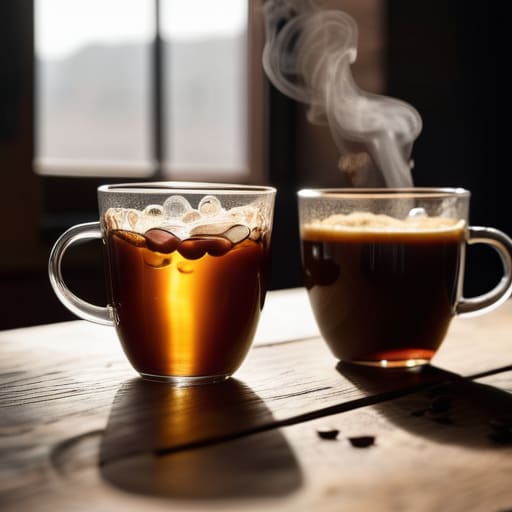
I spent years behind a bar watching people obsess over digital thermometers like they were performing heart surgery. There is this massive, expensive myth that you need a precision kettle to master water temperature and what it changes in the cup. People will spend three hundred Euros on a device just to nudge the heat by two degrees, convinced it’s the secret to a better morning. But after a decade of brewing, I’ve learned that most of that gear is just expensive theater. If you’re chasing a phantom flavor that only exists in a manual, you’re wasting your time.
I’m not here to give you a lecture on thermodynamics or some textbook theory. I’m going to tell you what actually happened when I brewed the same Ethiopian beans at 195°F, 205°F, and 212°F. I’ll tell you when a change actually made the coffee pop, and more importantly, I’ll tell you when it made absolutely no difference at all. No hype, no snobbery—just what I found in my own mug this week.
I Tested Water Temperature and What It Changes in the Cup
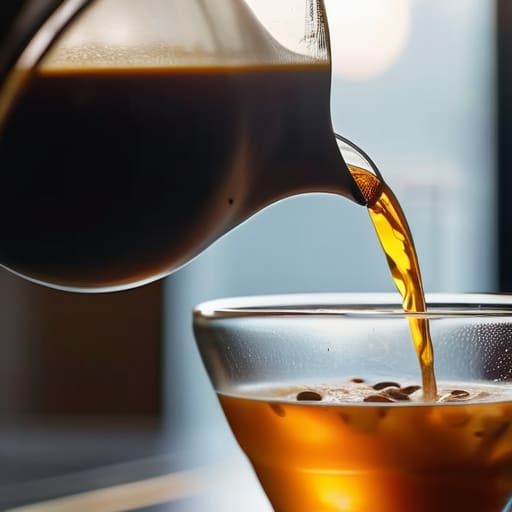
I set up three identical V60 brews this morning. I used the same beans, the same grind, and the same pour technique. The only variable was the heat. First, I went low—around 185°F. The cup was thin. It tasted sour, almost like lemon juice, which is a classic sign of under-extraction and water temperature issues. The heat just wasn’t high enough to pull the sweetness out of the grounds.
Next, I jumped to the “golden zone,” about 205°F. This is what most people call the ideal brewing temperature for pour over. The result? Balanced. It had that nice, syrupy body and a clean finish. It felt right.
Finally, I pushed it to the limit with boiling water. I expected a bitter mess, and I wasn’t entirely wrong. There was a harsh, ashy quality on the back of my tongue. It looks like I hit the wall of over-extraction from hot water. It’s a fine line to walk. If you go too low, you get sourness; go too high, and you get burnt bitterness. Most of the time, though, if you’re in that middle window, your coffee will be just fine.
Chasing the Ideal Brewing Temperature for Pour Over Results
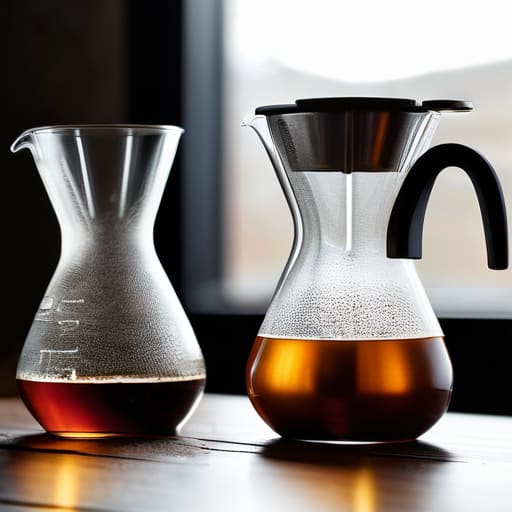
I started with the basics. I took a light-roast Ethiopian bean—the kind that usually tastes like jasmine if you get it right—and ran it through my V60 three times. First at 185°F, then 200°F, and finally a boiling 212°F. I wanted to see if the extraction rate and water heat actually behaved the way the textbooks claim.
At 185°F, the cup was thin. It felt hollow, like the flavor hadn’t quite woken up yet. That’s a classic case of under-extraction and water temperature working against you; the water just wasn’t aggressive enough to pull the sweetness out of those dense, light beans.
Then I hit it with the boiling water. The result? A harsh, biting sensation that lingered on the back of my tongue. It wasn’t just “stronger”; it was bitter in a way that felt chemically aggressive. I suspect I hit the wall of over-extraction from hot water pretty quickly. The sweet spot lived somewhere in the middle, around 202°F. It wasn’t a miracle, but the acidity finally balanced out instead of fighting me.
The Truth About Extraction Rate and Water Heat
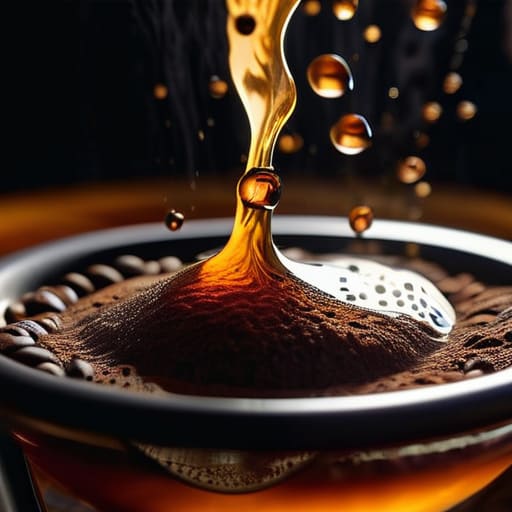
Here is the reality: heat is just a delivery system. It’s the engine that pulls the flavor out of the grounds. When we talk about extraction rate and water heat, we’re really talking about speed. Hotter water moves faster. It grabs the acids, the sugars, and the bitters with much more aggression. If you go too high, you aren’t just getting more flavor; you’re inviting over-extraction from hot water that turns your morning bright spot into something that tastes like burnt toast and ash.
I’ve spent too many mornings trying to find that sweet spot where the sweetness peaks before the bitterness takes over. It’s a fine line. If your water is too cool, you end up with under-extraction and water temperature issues—the coffee tastes thin, sour, and strangely hollow, like it’s missing its soul. I used to think a boiling kettle was the answer to everything. Now? I know that chasing a specific degree is less about a magic number and more about how much “stuff” you actually want to pull out of the bean.
Fighting Coffee Acidity vs Temperature in My Morning Brew
I spent Tuesday morning trying to find the sweet spot between a bright, pleasant zing and a sour, mouth-puckering mess. It’s the classic battle of coffee acidity vs temperature. When I dropped my water temp to 195°F using a light-roast Ethiopian, the acidity became sharp—almost like lemon juice. It was clean, sure, but it lacked any sense of sweetness. It felt unfinished.
I tried the opposite approach by cranking the heat back up to 208°F. I was worried about over-extraction from hot water, expecting that harsh, ashy bitterness you get when you cook the grounds too hard. But the result wasn’t bitter; it was just… smoother. The acidity didn’t disappear, it just stopped being aggressive. It moved from “sour” to “balanced.”
The lesson? If you hate that sharp, vinegary bite in your morning cup, don’t just buy better beans. Try bumping the heat. You don’t always need a new grinder or a fancy scale to fix a sour brew; sometimes, you just need to let the water do its job a little more aggressively.
When Hot Water Leads to Nothing but Over Extraction
I pushed my kettle to the limit yesterday, hitting nearly 212°F with a light-roast Ethiopian. I wanted to see if I could squeeze every last bit of sweetness out of those delicate floral notes. Instead, I just ended up with a cup that tasted like burnt toast and ash. It’s the classic trap: thinking more heat equals more flavor. In reality, I was just accelerating the over-extraction from hot water until the good stuff was buried under bitterness.
When you push the heat that high, the extraction rate and water heat start working against you. The water becomes too aggressive, tearing through the coffee structure and pulling out those heavy, unpleasant compounds that should have stayed in the grounds. I tried to balance it by adjusting my grind, but the bitterness stayed stubborn. It turns out, chasing a higher temperature doesn’t always find more flavor; sometimes, it just finds the exit for the sweetness. If your coffee starts tasting dry or astringent, stop cranking the heat. You aren’t brewing better coffee; you’re just burning it.
Avoiding Under Extraction and Water Temperature Mistakes This Week
Most people think the solution to a sour, thin cup is just to turn the heat up. I tried that with my light roast Ethiopian this Tuesday. I went from 195°F to 205°F, thinking I could force the flavor out. What I actually got was a cup that felt more aggressive and uneven. It turns out, the relationship between under-extraction and water temperature isn’t a straight line. If your water isn’t hot enough to penetrate the cell structure of the bean, you’re just drinking expensive, sour tea.
But there is a fine line. I noticed that even when I hit what I thought was the ideal brewing temperature for pour over, my results were inconsistent. The real culprit wasn’t the kettle setting; it was my lack of thermal stability. My ceramic dripper was cold, so the water temperature plummeted the second it hit the grounds. If you aren’t pre-heating your gear, you aren’t actually brewing at the temperature you think you are. Don’t just trust the thermometer on your kettle—watch how the heat behaves in the vessel.
Why Thermal Stability in Coffee Brewing Actually Matters
I spent a Tuesday morning trying to see if my cheap gooseneck kettle was sabotaging my morning. I noticed that by the time I finished my first pour, the water temperature had already dropped by nearly five degrees. It sounds small. It isn’t. That swing means the beginning of my brew is fighting one set of physics while the end is dealing with another. When you lose heat mid-pour, you aren’t just making a weaker cup; you’re creating a messy, inconsistent extraction.
If the temperature fluctuates wildly, you lose control over the extraction rate and water heat. I’ve seen it happen: the first bit of water hits the grounds at 205°F, potentially causing some harshness, but by the final rinse, the water is lukewarm. This leads to that frustrating gap where you get the bitterness of over-extraction but the sourness of under-extraction at the same time. Achieving thermal stability in coffee brewing isn’t about being a scientist; it’s about making sure the coffee actually tastes the same from the first sip to the last.
The Final Pour
So, what did we actually learn after a week of messing with the thermometer? Temperature is a lever, not a magic wand. If your coffee is too sour and sharp, turn the heat up. If it’s tasting like burnt toast or ash, back it off. But remember, even the most expensive temperature-controlled kettle won’t save a bag of stale beans. I’ve spent enough time behind a bar to know that consistency beats perfection every single time. Don’t get so caught up in chasing a specific degree that you forget to actually enjoy the drink. If the heat is stable and the beans are fresh, you’re already halfway there.
At the end of the day, the gear is just there to help you reach the coffee. You can obsess over thermal stability and precision extraction until your eyes go blurry, but the only real metric that matters is your own palate. If a change in temperature doesn’t make you smile when you take that first sip, then it wasn’t worth the effort. Stop reading the charts and just brew the damn coffee. The best cup isn’t the one that follows a scientific formula; it’s the one that tastes exactly how you want it to this morning.