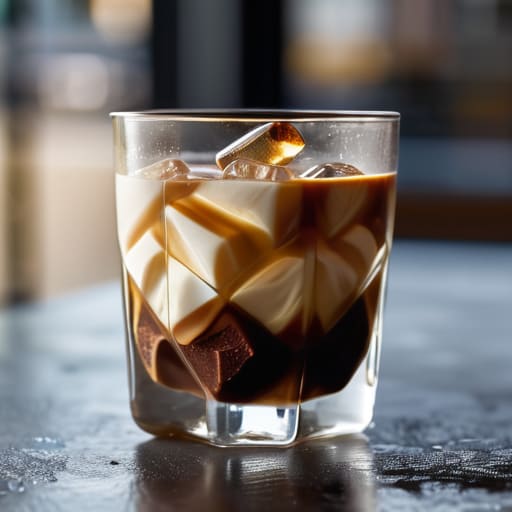
I spent three years as a head barista watching people drop ten euros on a fancy seasonal latte, only to complain that it tasted like brown ice. It’s a scam. Most cafes think the solution is just adding more syrup to mask the dilution, but that’s not coffee; that’s a milkshake. I’ve wasted far too many expensive single-origin beans trying to fix my morning routine, only to end up with a cup of lukewarm, thin nothingness. If you are tired of chasing the dream of iced coffee that does not come out watery, you aren’t alone. You don’t need a $2,000 espresso machine or a degree in thermodynamics to fix this.
I’m not going to sell you on some complicated ritual involving nitrogen infusion or lab-grade equipment. I’ve spent the last week in my own kitchen testing three different methods—from flash-chilling to heavy concentrates—to see which one actually holds its flavor when the temperature drops. I’ll tell you exactly what worked and, more importantly, what was a total waste of time. No gear worship, just the stuff that actually makes the coffee taste like coffee.
The Truth About Iced Coffee That Does Not Come Out Watery

Most people think the secret is just adding more coffee. They brew a massive, bitter pot of espresso or drip, pour it over a mountain of ice, and pray. But that’s a mistake. You aren’t just fighting dilution; you’re fighting temperature. When that hot liquid hits the ice, the cubes melt instantly. You end up with a lukewarm, thin mess. I’ve spent too many mornings watching a beautiful Ethiopian Yirgacheffe turn into brown water in under three minutes.
The real fix isn’t more caffeine; it’s physics. I’ve found that using a concentrated coffee base for iced drinks is the only way to keep the flavor profile intact. Instead of a standard pour-over, I’ve been brewing strong coffee for ice by cutting my usual water ratio in half. It feels wrong while it’s happening, but it works. If you want to get fancy, try the coffee ice cube method I mentioned earlier. Freeze your leftover brew into trays. That way, as the cubes melt, they actually add flavor instead of stripping it away. It’s a small tweak, but it changes everything.
Stop Wasting Good Beans on Weak Cold Brew vs Iced Coffee Dilution

I see people making the same mistake every summer. They brew a standard carafe of hot coffee, pour it over a mountain of ice, and then wonder why their drink tastes like brown water by the third sip. This is the fundamental problem with cold brew vs iced coffee dilution. When you just pour hot coffee over ice, you aren’t making iced coffee; you are making a melting problem. You’re essentially using ice as a cooling agent rather than a component of the drink.
If you want something that actually holds its weight, you need a concentrated coffee base for iced drinks. I stopped using my standard drip settings for summer brews weeks ago. Now, I either double my dose or switch to a long, slow cold steep. If you aren’t ready to commit to a 12-hour soak, just try brewing a much smaller, much stronger batch of hot coffee. It’s about building a foundation that can survive the melt. If the coffee isn’t punchy enough to stand up to a single cube, it’s not going to survive the glass.
Why I Only Brew a Concentrated Coffee Base for Iced Drinks

I used to make iced coffee the way most people do: brew a standard carafe, pour it over a glass full of ice, and watch my hard work vanish. The second that ice starts melting, you aren’t drinking coffee anymore; you’re drinking brown water. It’s a waste of good beans. Now, I only bother with a concentrated coffee base for iced drinks. I brew it much stronger than I’d ever drink it hot, intentionally aiming for a heavy, almost syrupy body.
The goal is simple: the dilution shouldn’t be an accident. By brewing a heavy concentrate, the melting ice actually becomes part of the recipe rather than a mistake. If you want to get fancy, you can even try the coffee ice cube method—freezing your leftover concentrate into trays so that even as they melt, the flavor only gets deeper. It’s the only way to maintain that optimal coffee to ice ratio without feeling like you’re sipping on a diluted mess. If the strength isn’t there at the start, the ice will win every single time.
The Coffee Ice Cube Method Saved My Expensive Summer Roasts
I used to be the guy who would pour a beautiful, light-roast Ethiopian into a glass full of ice, only to watch it turn into a pale, sour mess within three minutes. It felt like a crime against the farmer. Now, I use the coffee ice cube method to stop the bleeding. Instead of using standard water cubes, I freeze my leftover morning brew into trays. When those cubes start to melt, they aren’t diluting the drink; they are just adding more coffee. It’s a small shift, but it’s the only way I can enjoy a delicate Gesha in July without it tasting like nothing.
When I’m feeling lazy, I just make a massive batch of a concentrated coffee base for iced drinks and freeze that into cubes too. It’s foolproof. Even if I use a bit of milk later, the flavor stays locked in. You don’t need a laboratory or a $2,000 grinder to fix this. You just need to stop letting the ice do the work of watering down your hard-earned caffeine.
I Tested Brewing Strong Coffee for Ice to Find the Limit
I decided to push the limits. I wanted to see exactly how much “extra” coffee I could cram into a single brew before it just started tasting bitter and burnt. I took my AeroPress—the reliable workhorse of my kitchen—and tried brewing strong coffee for ice using a ratio that would make a traditionalist weep. I used 22 grams of beans for only 120ml of water. It felt wrong while it was brewing, but I needed to find that sweet spot where the strength survives the melt.
The results were a mixed bag. At the 1:5 ratio, the flavor was incredible; it stayed punchy even as the cubes vanished. But when I pushed to a 1:4 ratio, the acidity turned sharp and metallic. It was a lesson in diminishing returns. I also experimented with how to use milk instead of water during the extraction process to see if the fats could buffer the dilution, but that just turned into a weird, muddy mess. Stick to the concentrated base. If you go too far into the dark side, you aren’t making coffee anymore; you’re just drinking liquid charcoal.
Finding the Optimal Coffee to Ice Ratio Without Over Diluting
I spent a week playing with numbers to find the sweet spot. Most people just pour hot coffee over a glass of ice and hope for the best. That is a recipe for disappointment. If you are using a concentrated coffee base for iced drinks, you have to treat the ice like an ingredient, not just a cooling agent. I started with a 1:1 ratio—equal parts concentrate and ice—and it was still too thin. I bumped the coffee up until the ice actually felt like it was working for its keep.
The math isn’t perfect because ice melts at different speeds depending on the humidity in my kitchen, but I found a rhythm. For me, the optimal coffee to ice ratio lands somewhere around 1.5 parts coffee to 1 part ice. This gives the drink enough body to stand up to the melt. If you prefer cream, try how to use milk instead of water to bridge the gap. Swapping some of the dilution for a splash of whole milk helps maintain that mouthfeel even as the cubes disappear.
The Secret Trick of How to Use Milk Instead of Water
Most people reach for a splash of milk when their iced coffee starts tasting thin. It’s a reflex. We think the fat will mask the dilution, but usually, it just makes the drink feel heavy and muddy. If you’ve already mastered the coffee ice cube method, you’re halfway there, but there is a better way to use dairy without ruining the texture.
Instead of pouring cold milk into a watery mess, try using it as your primary dilution agent. I stopped using water entirely for my iced lattes last month. I brew a very tight concentrated coffee base for iced drinks—think of it as a liquid shot—and then use chilled milk to bring it to volume.
This changes the math. You aren’t fighting against melting ice and water; you are building layers of creaminess. When you use milk as the liquid component rather than an afterthought, the coffee flavor actually cuts through the fat instead of getting lost in it. It’s a small shift, but it makes a massive difference in how the drink holds up as the temperature rises.
The Bottom of the Cup
At the end of the day, avoiding watery iced coffee isn’t about buying a fancy new brewer or a $200 scale. It comes down to a few practical shifts: brewing a concentrated base, using coffee ice cubes to fight dilution, and understanding that your ratio is the only thing that actually matters. I’ve wasted plenty of expensive, light-roast Ethiopian beans by pouring them directly over a mountain of ice, only to end up with a cup of brown water. Don’t do that. Focus on the concentration of the brew and how you manage the melt. If you control the strength at the start, you control the flavor until the very last sip.
Coffee is supposed to be a ritual, even when it’s served over ice in the middle of a heatwave. Don’t let the pursuit of the “perfect” technique turn your morning into a chore or a science experiment gone wrong. If you brew a strong concentrate and use a little bit of milk to bridge the gap, you’re already ahead of 90% of the people at the local cafe. Stop overthinking the gear and just start brewing for the dilution. Grab your beans, find your ratio, and enjoy your coffee while it actually tastes like coffee. That’s the only goal that matters.