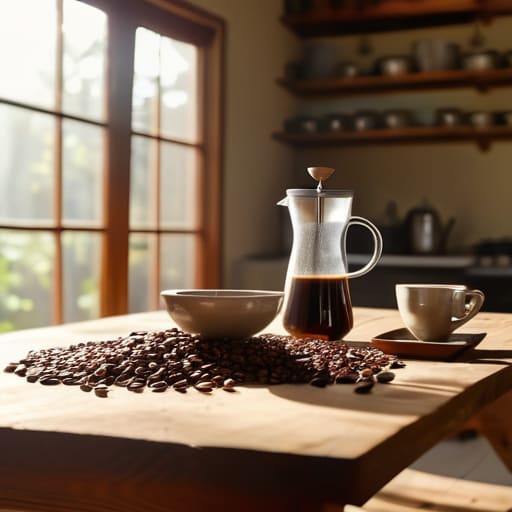
I once spent a Saturday morning at a friend’s house trying to play the hero. I thought I could pull off making coffee for a crowd without a machine by using a bunch of cheap French presses I found in a thrift shop. It was a disaster. I spent more time cleaning up grounds and scrubbing spilled water than actually talking to my guests. People think you need a massive, expensive drip brewer or a professional setup to satisfy a group, but that’s mostly expensive nonsense. You don’t need a bar setup to avoid serving a cup of muddy, lukewarm disappointment.
I’m not here to sell you on some fancy gadget that promises miracles. I’ve spent the last week testing a few low-tech ways to keep a dozen people caffeinated without losing my mind. I’ll tell you exactly what worked in my kitchen and, more importantly, what tasted like burnt toast. My goal is simple: finding the most efficient way to get a decent cup into a lot of hands. If a method is too much work for a mediocre result, I’ll tell you straight.
Understanding Making Coffee for a Crowd Without a Machine
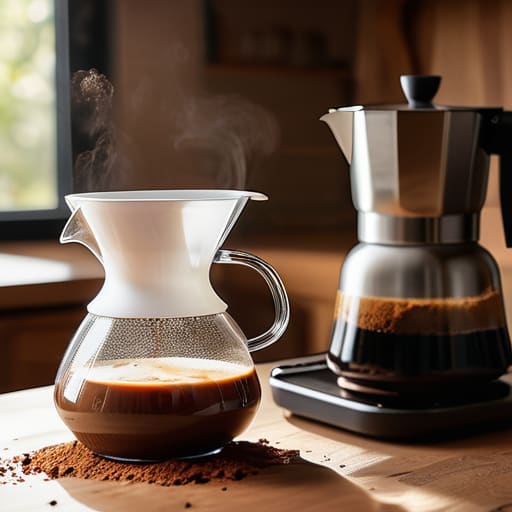
When you’re staring at ten hungry guests and no espresso machine in sight, the panic is real. Most people assume they need a fancy setup, but you really just need to master the physics of extraction. The biggest mistake I see is people trying to wing it. They eyeball the grounds, hope for the best, and end up serving something that tastes like burnt dirt. If you want to succeed, you have to treat coffee brewing ratios for large batches with more respect than you do your morning single cup.
It isn’t about having the most expensive gear; it’s about managing heat and time. I’ve spent many mornings experimenting with improvised coffee brewing tools when the kitchen was a mess. You can use a large French press, or even a simple cloth filter if you’re desperate. The goal is consistency. If you’re trying a boiling water coffee method with a large pot, remember that temperature drops fast in big volumes. You can’t just pour and pray. You have to control the flow, or you’ll be serving a cup that’s either sour or unpleasantly hollow.
Key Things to Know
First, let’s talk math. When you’re scaling up, your brain wants to guess, but your palate will suffer for it. I’ve learned the hard way that eyeballing beans for ten people is a recipe for a watery mess. You need to stick to consistent coffee brewing ratios for large batches. If you don’t, the first person gets a caffeine hit and the last person gets brown water. I always aim for a 1:15 or 1:16 ratio. It keeps things predictable.
Second, temperature is your silent enemy. If you’re using a boiling water coffee method with a massive pot, that heat dissipates faster than a tip in a bad cafe. You can’t just dump boiling water into a cold ceramic pitcher and expect magic. You need to pre-warm everything. If your vessel is cold, your extraction dies instantly.
Finally, pick a method that doesn’t require you to stand there like a statue. Trying pour over coffee for groups is a lovely way to spend three hours making everyone wait. Unless you want to be the guy stuck behind a carafe all morning, go for immersion. It’s more forgiving.
Practical Tips and Steps
First, stop trying to eyeball the coffee. When you’re scaling up, the math gets messy fast. I always stick to a strict set of coffee brewing ratios for large batches to avoid ending up with something that tastes like brown water. For every gram of coffee, use 16 or 17 grams of water. If you don’t have a scale that handles liters, just use a measuring jug and a calculator. It’s tedious, but it beats serving a room full of people a cup of disappointment.
If you’re looking at a french press large scale approach, don’t just dump everything in and hope for the best. I’ve tried using two or three standard presses at once, and it works surprisingly well. Just make sure you have enough hot water ready. Don’t use a rolling boil, either; let the kettle sit for a minute after it whistles. If you’re too lazy for the heat, just make a massive batch of cold brew for many people the night before. It’s almost impossible to mess up, and it’s much easier to serve when the guests actually show up.
Common Mistakes to Avoid
The biggest mistake I see is the “eyeball method.” People think that because they are using a massive pot or a huge French press, they can just throw in a handful of beans and hope for the best. Don’t do this. When you are working with coffee brewing ratios for large batches, the math becomes your only friend. If you mess up the ratio early on, you aren’t just making a bad cup; you are wasting half a bag of expensive beans on a liter of brown water.
Another trap is the temperature. I’ve seen people use a rolling boil straight from the kettle for a boiling water coffee method on large quantities of grounds. It’s a disaster. It scorches the coffee and leaves you with a cup that tastes like burnt toast. Let the kettle sit for a minute. Also, watch your timing. If you are using improvised coffee brewing tools, it is easy to let the grounds sit in the water too long because you got distracted by the guests. Patience is cheap, but bad coffee is expensive.
Final Thoughts
At the end of the day, don’t let the logistics paralyze you. I’ve seen people stress over equipment they don’t own, only to end up serving lukewarm, muddy water. If you are leaning into a french press large scale approach, just remember that timing is everything. If you leave the grounds in there too long because you’re busy chatting, you’re serving bitter sludge. Keep an eye on the clock, even when you’re the host.
If you want to play it safe, I usually suggest a cold brew for many people approach. It’s harder to mess up, it’s forgiving, and you can make it the night before. No one cares if you don’t have a high-end espresso machine if the coffee is smooth and cold.
Ultimately, coffee is just a vehicle for conversation. Whether you’re using improvised coffee brewing tools or a simple pot, the goal is to keep the caffeine flowing without the headache. If the cup tastes good, nobody is going to ask about your grind consistency. Just keep it simple and enjoy the company.
The Real Bottom Line
Look, you don’t need a three-thousand-euro espresso machine to keep your guests happy. We covered the basics: watch your water temperature, don’t let the grounds sit in the pot until they turn into sludge, and for heaven’s sake, measure your ratios even if you’re winging it. I’ve tried the “just eyeball it” method with a massive French press before, and it usually ends in a room full of people drinking bitter, muddy water. If you stick to the steps—focusing on a decent grind and a controlled pour—you’ll find that consistency is more important than expensive gear. You can make a killer batch with a simple pour-over or a sturdy pot if you just respect the process.
At the end of the day, coffee is just a vehicle for conversation. I spent years behind a bar obsessing over micro-foam and extraction percentages, but when I’m hosting friends in my own kitchen, I care more about the vibe of the room than the perfect TDS reading. If the coffee is hot, clean, and tastes like the beans you paid for, you’ve already won. Stop worrying about whether you look like a professional and just start brewing. The best cup of coffee isn’t the one that follows a laboratory protocol; it’s the one that actually gets people talking.