I checked into a boutique hotel in Prague last week. The room was beautiful, but the “premium” coffee station was a joke—just those tiny, bitter foil packets that taste like burnt rubber and regret. People tell you that making good coffee in a hotel room requires a specialized travel kit or a portable espresso machine that costs more than your flight. They’re wrong. Most of that gear is just expensive clutter that takes up space in your suitcase and adds zero actual flavor to the cup.
I’m not here to sell you a lifestyle or a fancy gadget. I’m going to tell you what actually worked when I was sitting on that tiny hotel desk with nothing but a kettle and a dream. I tested three different ways to bypass the hotel’s bad beans, and I’ll tell you exactly which ones changed the taste and which ones were a complete waste of time. No hype, no gear worship—just the honest truth about what happens when you try to brew a decent cup in a strange place.
Understanding Making Good Coffee in a Hotel Room
Most people think hotel coffee is a lost cause. They see the tiny plastic pod machine or the dusty carafe in the corner and give up. They settle for lukewarm, bitter sludge because it’s easier than fighting the environment. But here is the thing: the room isn’t the problem. The problem is the lack of control. When you are away from your kitchen, you lose your variables. You lose your grinder, your precise scale, and your reliable kettle.
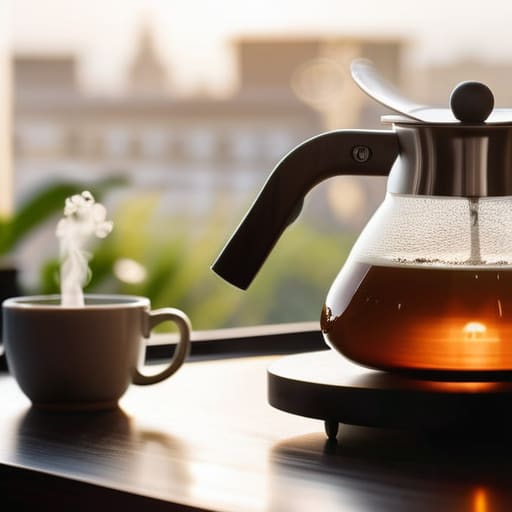
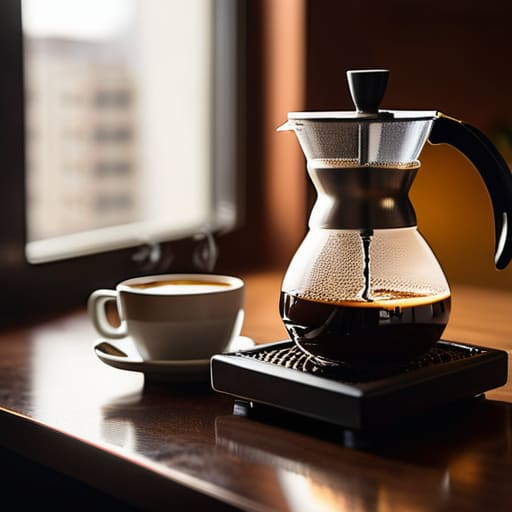
To fix this, you have to stop trying to replicate your home setup and start focusing on portable coffee brewing methods that actually work in a cramped space. I’ve learned that you don’t need a massive setup to get a decent extraction. You just need to understand how to manipulate what you do have. Whether you are using a small dripper or some improvised hotel coffee techniques with a paper filter and a coffee mug, the goal is the same: consistent heat and controlled contact time. If you can manage those two, you can avoid the burnt mess that usually defines a business trip.
Key Things to Know
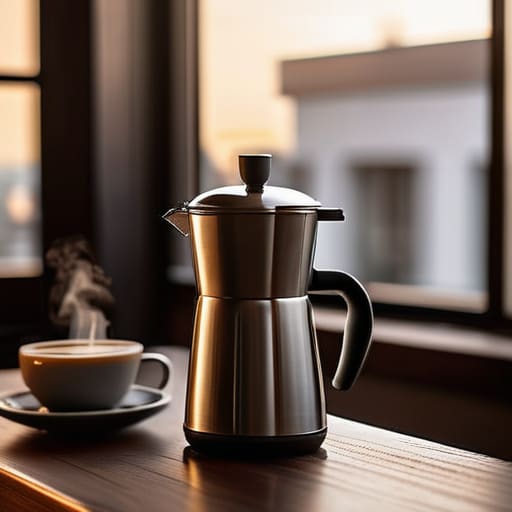
First, forget the idea that you need a dedicated espresso machine to avoid that burnt, acidic sludge from the lobby. Most people think they need a massive kit, but the real secret lies in your travel coffee gear essentials. I’ve learned that the more items you pack, the more things you lose in a suitcase. Focus on the basics: a reliable grinder and a way to control temperature.
If you aren’t looking to carry a dedicated device, you can master some improvised hotel coffee techniques using just a kettle and a mug. It’s not glamorous, but it works. However, if you actually care about the flavor profile of your beans, investing in portable coffee brewing methods like an AeroPress or a clever dripper is a game changer. These tools are small enough to hide in a backpack but powerful enough to actually extract something decent. I’ve tried the “just pour hot water over grounds in a cup” method—it’s a disaster. Don’t do it. Stick to tools that give you some level of control over the process.
Practical Tips and Steps
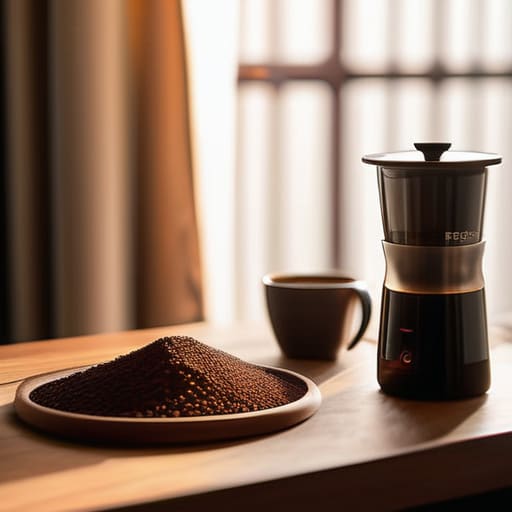
First, forget the hotel’s electric drip machine. It’s usually a dusty relic that produces bitter, over-extracted sludge. Instead, focus on your travel coffee gear essentials. I always pack an AeroPress or a simple pour-over dripper. They take up almost no space in a carry-on and, more importantly, they don’t rely on a machine that hasn’t been cleaned since 2014. If you’re really traveling light, look into improvised hotel coffee techniques like the “coffee bag” method using a paper filter, but a dedicated device is always better.
The real secret is the grind. If you aren’t carrying a small hand grinder, you’re already losing. I brought my old manual grinder this time, and the difference was night and day. Buy a small bag of beans from a local roaster—the best coffee for travelers is usually whatever is fresh and pre-ground if you’re lazy, but I won’t forgive you if you don’t grind it yourself. Finally, use the bottled water from the minibar if the tap water smells like chlorine. It’s a small tweak, but it actually changes the cup.
Common Mistakes to Avoid
The biggest mistake I see is the “over-packer” trap. People treat a weekend trip like a permanent relocation, hauling a massive bag of travel coffee gear essentials that they barely touch. If you’re lugging a heavy electric grinder just to use the hotel’s crusty kettle, you’ve already lost. Keep it light. If the gear doesn’t fit in a side pocket, it’s probably not worth the headache.
Another blunder is neglecting the beans. I’ve seen people bring incredible, expensive single-origin bags only to grind them with a cheap, inconsistent hand grinder that produces a mountain of fines. It ruins the clarity. If you want to master how to brew coffee without a machine, you have to accept that your grind size is your only lever for control.
Finally, don’t trust the hotel water blindly. I don’t bother weighing the water—scales lie—but I do notice when the tap tastes like a swimming pool. If the water smells like chlorine, your expensive beans are wasted. Use the bottled stuff. It’s a small price to pay for a cup that doesn’t taste like a cleaning supply closet.
Final Thoughts
At the end of the day, your setup shouldn’t weigh more than your actual luggage. I’ve spent way too much money on fancy travel coffee gear essentials only to realize that a simple Aeropress and a decent hand grinder do ninety percent of the heavy lifting. You don’t need a laboratory in your suitcase; you just need enough control to keep the bitterness at bay.
If you’re trying to figure out how to brew coffee without a machine using nothing but a hotel kettle and a paper filter, don’t sweat the perfection. Some of my favorite cups happened when I was just improvising with whatever was in the cupboard. The goal isn’t to replicate my home setup exactly, but to avoid that soul-crushing first sip of burnt, watery hotel sludge.
Ultimately, whether you bring a compact coffee maker for trips or just rely on some clever improvised techniques, the result is the same. It’s about the ritual. If the coffee tastes better than the stuff in the lobby, you’ve won. That is the only metric that actually matters.
The Final Sip
At the end of the day, making decent coffee in a hotel isn’t about having a $3,000 espresso machine or a perfect water filtration system. It’s about controlling the few things you actually can. Bring your own grinder, use a scale if you have one, and for the love of god, don’t rely on the hotel’s lukewarm carafe. If you bring your own beans and a decent hand grinder, you’ve already won half the battle. Most of the expensive gear enthusiasts talk about won’t even make a difference when you’re working with a temperamental electric kettle and a tiny room. Just focus on the variables you can touch.
Traveling is messy, and coffee shouldn’t be another thing you have to stress about. I’ve spent years behind bars trying to make every cup perfect, but I’ve learned that the best cup is often the one you make yourself while staring out a window in a city you’ve never been to. Don’t let the lack of a professional setup ruin your morning ritual. If the coffee tastes bright, clean, and exactly how you wanted it, then you’ve done your job. The ritual matters more than the equipment. Enjoy the caffeine, and enjoy the view.