Stop buying expensive single-origin beans just to watch them die in a decaf process. I see people spending a fortune on a high-altitude Ethiopian heirloom, only to strip it through a chemical bath that leaves the cup tasting like wet cardboard. We talk a lot about roast profiles and grind sizes, but we rarely talk about decaf processing and what it costs the flavour before the bean even hits your grinder. Most of the time, you aren’t paying for the terroir; you’re paying for the privilege of drinking something that’s been chemically hollowed out.
I’m not here to give you a chemistry lecture or sell you a new brewer. I spent eight years behind a bar seeing how much money is wasted on “premium” decaf that tastes like nothing, so I decided to test it myself. This week, I brewed three different methods using Swiss Water, CO2, and traditional solvent decafs to see which ones actually survive the process. I’ll tell you exactly which ones are worth your money and which ones are just expensive water with a hint of coffee.
I Brewed the Most Expensive Decaf This Weekit Still Tasted Thin
I went out on a limb and shelled out for a bag of specialty Ethiopian beans, specifically processed via the Swiss Water Process. Usually, when people talk about the best decaf coffee processing for flavor, this is the gold standard they point to. I set up my V60, dialed in my grind, and waited. I expected those bright, floral notes that make Ethiopian coffees famous. Instead, I got a cup that felt hollow. It lacked that heavy, syrupy body you expect from a high-end light roast.
It seems that even with the most careful methods, preserving bean integrity in decaf is harder than the roasters admit. I kept looking for the complexity, but the mid-palate was just… gone. I suspect that even without harsh solvents, the sheer act of soaking the beans to pull out the caffeine strips away the very soul of the roast. I tried adjusting my temperature and my ratio, but the result was the same. It was clean, sure, but it was distinctly thin.
The Brutal Truth of Decaf Processing and What It Costs the Flavour
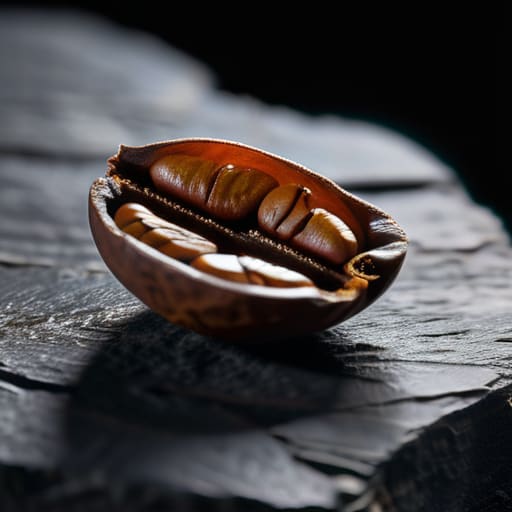
Here is the reality: caffeine is a structural component of the bean. When you strip it away, you aren’t just removing a stimulant; you are poking holes in the bean’s architecture. Most methods, especially the older solvent-based ones, act like a sponge that soaks up more than just the caffeine. They pull out the delicate compounds that give a light roast its character. I’ve noticed that the chemical decaffeination impact on aroma is usually the first thing to go. You end up with a cup that smells like nothing, or worse, something vaguely medicinal.
I spent some time looking into the Swiss Water Process vs CO2 method to see if one actually saves the day. The Swiss Water method is the gold standard for preserving bean integrity in decaf because it uses only water and osmosis. It’s cleaner. But even then, I can tell the difference. The CO2 method can be aggressive, and the Swiss Water version, while better, still struggles to keep those heavy, complex oils intact. You can buy the best beans in the world, but if the processing has already hollowed them out, you’re just brewing expensive water.
Swiss Water Process vs Co2 Method Which One Actually Survives the Cup

So, you’ve seen the labels. You’re standing in the aisle wondering if the “Swiss Water” badge actually means anything. Here is the reality from my kitchen: the Swiss Water Process is the darling of the specialty world because it uses only water and time. It’s slow. It’s gentle. In my experience, it’s much better at preserving bean integrity in decaf because it doesn’t rely on harsh solvents to strip the caffeine. I’ve found that when I use Swiss Water beans, I can actually taste the fruity acidity of a light roast, even if the body feels a bit lighter than usual.
Then there is the CO2 method. It’s a high-tech way of using pressurized carbon dioxide to target the caffeine. Some enthusiasts claim it’s the best decaf coffee processing for flavor because it’s so precise. I tried a batch of CO2-processed Ethiopian this week. To be honest? It felt more “complete” in the mouth than the Swiss Water version. It held onto its oils better. But whether you choose one or the other, remember: no process is magic. You’re still fighting an uphill battle against a bean that’s been stripped of its soul.
How Chemical Decaffeination Impact on Aroma Ruins My Morning Ritual
The smell of fresh coffee is usually my alarm clock. It’s that sharp, floral, or chocolatey hit that hits you before the first sip. But when I switched to these solvent-based beans, the ritual felt broken. Instead of that complex bouquet, I got something… flat. It’s the chemical decaffeination impact on aroma that really gets me. You can see the beans look fine, but when they hit the hot water, the volatile compounds just aren’t there to dance.
It’s not just about the scent, though. It’s about the soul of the bean. Most of these industrial methods struggle with retaining coffee oils during decaffeination, and that’s where the magic lives. Without those oils, the aroma has no carrier. It’s like trying to listen to a symphony through a thick wall. You know the music is playing, but the detail is gone. I sat there in my kitchen, staring at my brew, realizing that no amount of precise pouring can fix a bean that’s been stripped of its essential aromatic character.
Why Solvent Based Decaffeination Is Stripping the Soul From My Beans
The problem with solvent-based methods isn’t just about the chemicals; it’s about what they take with them when they leave. When you use methylene chloride or ethyl acetate to hunt down caffeine, those solvents are aggressive. They don’t just grab the caffeine molecules; they go after the delicate compounds that make a light roast smell like jasmine or stone fruit. I’ve noticed that after using these beans, the first thing I miss is the headspace aroma. You pour the water, you wait, and instead of a fragrant cloud, you just get… nothing.
It really comes down to retaining coffee oils during decaffeination. Those oils are the backbone of the mouthfeel. In my testing, solvent-processed beans often feel “hollow.” You get the acidity, sure, but it’s a sharp, thin acidity that disappears the moment it hits your tongue. It’s like someone took a high-definition photo of a landscape and then turned the saturation down to zero. You recognize the shapes, but the soul of the bean is just gone, leaving behind a ghost of what should have been a great cup.
The Struggle of Retaining Coffee Oils During Decaffeination Processes
It’s not just about the caffeine. It’s about the lipids. Coffee oils are what carry the heavy hitters—the chocolate, the stone fruit, that lingering sweetness that makes a cup feel “round.” When you run beans through these aggressive extraction cycles, you aren’t just pulling out the caffeine; you’re often stripping away the very substance that holds the flavor together. I noticed it again this morning with a medium roast. The body was gone. It felt like drinking coffee-flavored water rather than a proper brew.
The real challenge is preserving bean integrity in decaf while the machines do their work. Whether you are looking at the Swiss Water Process vs CO2 method, the physics are against you. High-pressure CO2 or solvent baths are designed to be efficient, but efficiency is often the enemy of nuance. If the process is too effective, it leaves the bean hollow. You end up with a cup that has the acidity, sure, but none of the oily, mouth-coating texture that makes a morning ritual worth waking up for.
My Hunt for the Best Decaf Coffee Processing for Flavor Integrity
I spent three mornings trying to find a decaf that didn’t taste like wet cardboard or, worse, nothing at all. I went through four different bags from four different roasters, all claiming to be the gold standard. Most of them failed. When you are looking for the best decaf coffee processing for flavor, you realize very quickly that most producers are just trying to strip the caffeine and call it a day. They aren’t thinking about the cup.
I focused my search on preserving bean integrity in decaf. I wanted to see if a more careful approach could actually keep the sweetness alive. I tried a batch that used a specialized CO2 method, hoping it would behave better than the standard solvent stuff. It was a decent attempt, but even then, the body felt slightly off. It’s a frustrating game. You realize that even with the most expensive beans, the way they are treated before they reach my kitchen determines whether I actually enjoy my morning or just drink it out of habit.
The Bottom Line
So, what did I actually learn after a week of chasing ghosts in my mug? Whether it’s the chemical solvents that strip away the aromatics or the Swiss Water method that tries its best to save the body, the reality remains: decaffeination is a battle against physics. You can spend a fortune on single-origin beans, but if the processing has already hollowed out the oils, no $3,000 grinder is going to bring that soul back. I’ve realized that while the CO2 method is a technical marvel, it often fails to capture that specific, vibrant acidity we crave in a light roast. If you want flavor, you have to look past the fancy labels and focus on how much of the bean’s original character actually survived the extraction.
At the end of the day, I don’t care about the science papers or the marketing jargon. I care about the liquid in my cup. If you’re switching to decaf, don’t settle for a cup that tastes like brown water just because it’s “processed naturally.” Hunt for the roasters who treat decaf with the same respect as their caffeinated lots, because you deserve a ritual that actually tastes like coffee. It might be a harder search, and it might cost a few extra foribints, but it’s the only way to ensure your morning isn’t just a hollow imitation of what coffee should be.