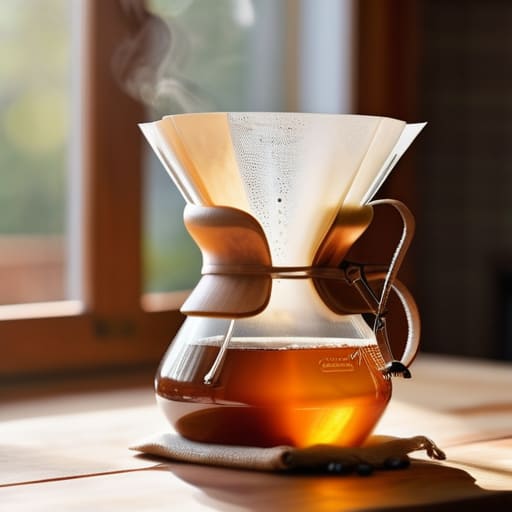
I’ve seen enough Instagram posts to know that people treat coffee gear like it’s some kind of holy relic. They’ll spend half their paycheck on a new grinder or a fancy kettle, convinced that a slightly different piece of paper is going to unlock the secrets of the universe. I spent a week obsessing over the chemex and its thicker filter, convinced it was the missing link to that perfect, tea-like clarity everyone keeps preaching about. I even bought a massive bulk pack of the expensive ones, expecting my morning ritual to feel like a revelation.
Here is the truth: I brewed three different batches using the heavy-duty papers, and honestly, I couldn’t tell the difference from my usual setup. Most of the “science” behind these specialized filters feels like marketing fluff designed to separate enthusiasts from their cash. In this post, I’m going to tell you exactly what actually changed in my cup and what was just expensive noise. I don’t care about the theory; I only care about what shows up in the mug.
Understanding the Chemex and Its Thicker Filter
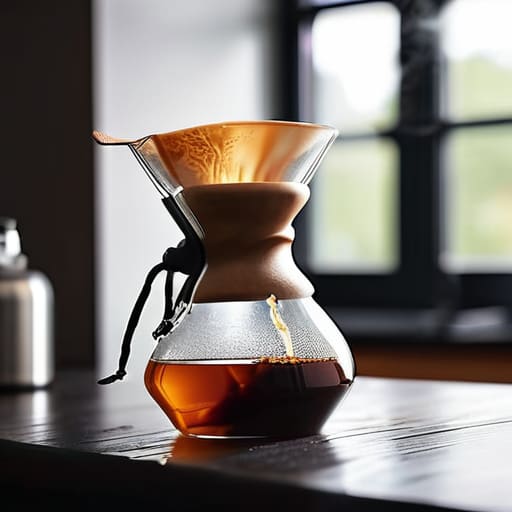
The Chemex isn’t just a pretty glass carafe you see in lifestyle magazines. It’s a specific tool designed for one thing: extreme clarity in pour over coffee. Most people think the magic is in the glass, but the real engine is that heavy, bonded paper. When you compare Chemex vs V60 filtration, the difference is immediate. The V60 is a speed demon; it lets oils through and keeps the body heavy. The Chemex, however, acts like a massive dam.
Those thick filters are specifically engineered for removing coffee oils and sediment that usually muddy the waters. If you’re brewing a light-roast Ethiopian with those floral, tea-like notes, you want that paper to do the heavy lifting. It catches the fine particles that usually clog up a standard basket, allowing the water to flow through a cleaner path. I’ve found that the impact of paper thickness on extraction is less about how much flavor you pull out, and more about how much “junk” you leave behind in the filter. It’s the difference between a messy fruit juice and a clean, transparent tea.
Key Things to Know
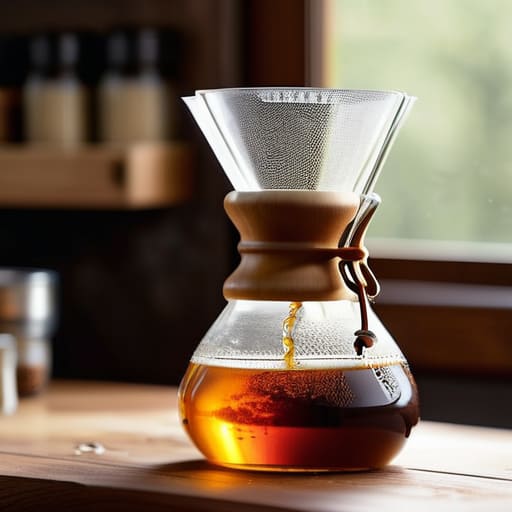
If you are moving from a Hario V60 to this, the first thing you will notice is the flow. It is slow. Much slower. When comparing chemex vs v60 filtration, the main difference isn’t just the speed; it is what stays behind in the paper. These thick filters are designed for one thing: removing coffee oils and sediment so aggressively that the liquid comes out looking like tea. If you like a heavy, textured mouthfeel, you might actually hate this.
I tested a light-roast Ethiopian bean through both. The V60 gave me that punchy, juicy body I usually crave. The Chemex, however, delivered a level of clarity in pour over coffee that I haven’t seen elsewhere. It stripped away the “muddiness” and left only the bright, floral notes.
One thing to watch out for: because the paper is so dense, your impact of paper thickness on extraction means you cannot rush the pour. If you pour too fast, you’ll end up with a sour, under-extracted mess. You have to be patient with the ritual.
Practical Tips and Steps
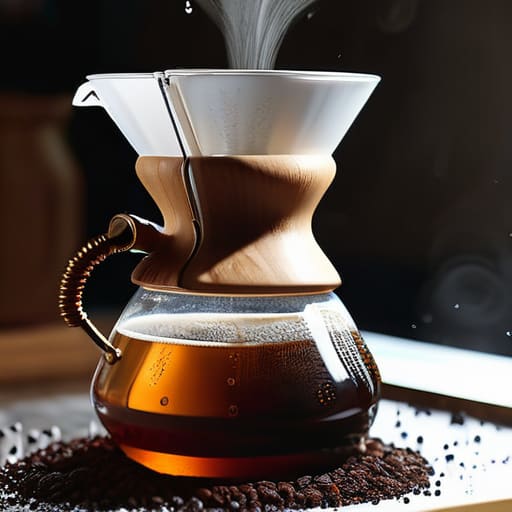
First, don’t overcomplicate the pour. Because these filters are so dense, they slow down the flow rate significantly. If you pour too fast, you’ll end up with a massive clog halfway through. I’ve found that a slower, more deliberate spiral helps manage the drawdown. If you’re used to the speed of a V60, you’ll need to adjust your patience. The goal is to maintain a steady rhythm to ensure the impact of paper thickness on extraction stays consistent throughout the brew.
Also, don’t skip the rinse. I used to think it was just a ritual, but with these thick papers, it’s actually functional. Use plenty of hot water to wash away that heavy paper taste before the coffee hits the bed. It also helps preheat the glass, which keeps your temperature stable. When you finally pour, you’ll notice a massive leap in clarity in pour over coffee. It’s less about the heavy body you get from a metal filter and more about those bright, distinct notes that actually make the beans worth the price.
Common Mistakes to Avoid
The biggest mistake I see is people treating the Chemex like a V60. If you use the same fast, aggressive pour you use for a Hario, you’re going to have a bad time. Because those filters are so thick, the drawdown is naturally slower. If you force the water through too quickly, you end up with a muddy mess rather than that clean clarity in pour over coffee we’re all chasing. Slow down. Let the water do its job.
Another trap is getting obsessed with the idea that these filters are magic. People think the paper does all the heavy lifting in removing coffee oils and sediment, so they buy cheap, thin beans and hope for the best. It doesn’t work that way. If your beans are stale, no amount of expensive paper is going to save your morning. I’ve tried it; the paper can only highlight what’s already there. Don’t waste the good stuff on a technique that relies on patience rather than perfection.
Final Thoughts
At the end of the day, it comes down to what you actually want to taste. If you are chasing that bright, heavy-bodied punch you get from a V60, these thick filters might feel like they are working against you. But if you want clarity in pour over coffee, there is no substitute. I’ve tried many different brands, and while the price tag on the official ones stings, the way they handle removing coffee oils and sediment is what makes the Chemex what it is.
I don’t believe in buying gear just to feel important. I buy it because it changes the liquid in my mug. For me, the trade-off is worth it. You lose a bit of that tactile richness, but you gain a clean, tea-like experience that lets the bean actually speak. If you’re experimenting with new light roasts this week, give the thick filters a real chance. You might find that the chemex pour over flavor profile is exactly what your morning routine was missing.
The Verdict
So, what is the actual takeaway? I’ve spent a week swapping between the cheap stuff and these heavy-duty Chemex filters, and the truth is a bit underwhelming. You’ll get a cleaner cup, sure, and the sediment stays in the paper where it belongs, but it isn’t a magic wand. If your beans are stale or your grind is off, a fancy filter won’t save you. The thicker paper definitely slows down the drawdown, which means you have to be a bit more careful with your pouring technique to avoid a bitter mess. It’s a small, measurable change, but it’s not a revolution.
At the end of the day, don’t go out and buy a whole new kit just because a manual told you to. Coffee is meant to be enjoyed, not managed like a laboratory experiment. If you like the way your current setup tastes, stick with it. But if you’re chasing that elusive, crystal-clear clarity that people rave about in specialty cafes, then yes, give the thicker filters a shot. Just remember: the goal isn’t to have the most expensive ritual in Budapest; the goal is to actually enjoy the coffee you made this morning.