I spent years behind a bar watching people pay double for a bag of coffee just because the label boasted a fancy processing method. They treat “honey process” like it’s some magical, transformative ritual, but most of the time, it’s just clever marketing for a bean that sits somewhere between a clean washed lot and a funky natural. Everyone talks about the complexity, but they rarely mention how tricky it is to actually taste the difference. To me, understanding honey process and the middle ground it sits in isn’t about memorizing technical definitions; it’s about figuring out if that extra cost actually changes the flavor in your morning cup.
I’m not here to sell you on a lifestyle or a specific brand. I just want to tell you what happened when I brewed these lots in my own kitchen this week. I’ll tell you if the sweetness is worth the premium, or if it’s just expensive noise. My goal is simple: I’ll strip away the jargon so you know exactly what to expect when you reach for that bag.
Beyond the Hype Honey Process and the Middle Ground It Sits in
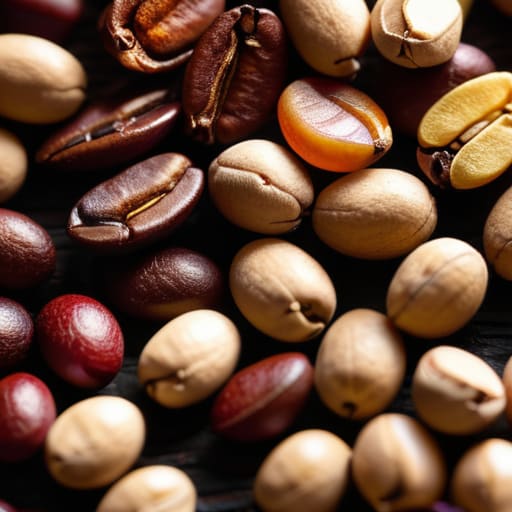
People love to talk about the spectrum of washed vs natural coffee processing like it’s a religious divide. On one side, you have the clean, tea-like clarity of a washed lot. On the other, the heavy, fermented funk of a natural. The honey process sits right in that messy middle. It’s all about how much mucilage removal you do during the drying stage. I’ve spent too many mornings staring at bags labeled “white honey” versus “red honey,” trying to find the distinction. Usually, the difference is just a slight nudge in body.
Last week, I tried an anaerobic honey process bean that promised a wild flavor profile. Honestly? It was just a very intense version of the standard stuff. The fermentation was there, sure, but it didn’t feel like a different world. Most of the time, these methods are just different ways to manipulate sweetness in coffee processing. If you’re paying a massive premium for a specific honey level, you’d better make sure you can actually taste the difference in your cup, or you’re just paying for a fancy label.
Washed vs Natural Coffee Processing Why I Stopped Choosing Sides
For years, I was one of those guys. I lived in the camps. If it was a washed process, I praised the “clarity” and “cleanliness.” If it was a natural, I raved about the “funk” and “fruit bomb” intensity. It was a binary way to live, and frankly, it was exhausting. I spent too much time arguing about washed vs natural coffee processing in specialty cafes, acting like one was objectively better than the other.
Then I started brewing more at home and realized the truth: it’s just a spectrum of how much fruit stays on the seed. When you look at mucilage removal in coffee, you see that honey processing isn’t a third category—it’s just a dial you turn. You can leave a little skin on for a bit of sweetness, or strip it almost all away for something cleaner. I stopped choosing sides because the “perfect” cup depends on my mood, not a processing method. Sometimes I want the bright acidity of a washed lot; sometimes I want the heavy body of a natural. Now, I just look for the balance.
The Truth About Mucilage Removal in Coffee and My Cup
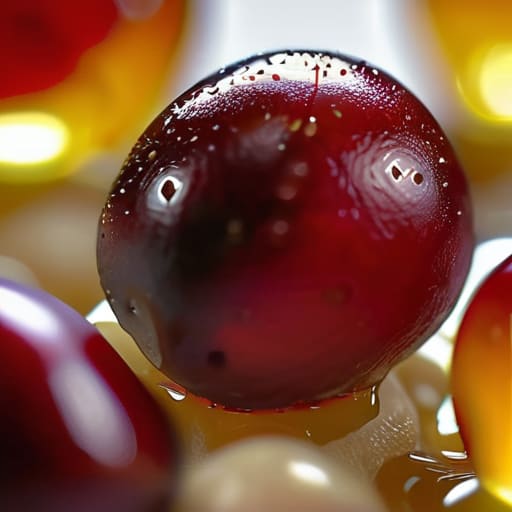
The real difference comes down to how much of that sticky fruit flesh stays on the bean. In a standard washed process, you strip everything away immediately. It’s clean, predictable, and sometimes a little boring. With naturals, you leave it all on until it practically rots. The honey process is just a controlled tug-of-war with mucilage removal in coffee.
I spent Tuesday morning playing with a white honey lot, where they strip most of the fruit away, leaving just a thin film. It was bright, almost like a washed coffee, but with a subtle, lingering sweetness that the washed beans lacked. Then I switched to a red honey bean, which kept more of that sugary coating. The change was obvious; the red honey had a much heavier body and fruit intensity.
It’s easy to get lost in the technical jargon of coffee fermentation profiles, but I don’t care about the chemistry as much as the result. Whether it’s a light touch or a heavy coat of mucilage, I’m just looking for that specific balance where the acidity doesn’t bite too hard and the sugar feels real.
White Honey vs Red Honey Process a Difference That Actually Matters
Once you step into the honey process world, you realize “honey” isn’t a single thing. It’s a spectrum based on how much of that sticky fruit layer stays on the bean. I spent Tuesday morning comparing a White Honey lot from Costa Rica to a Red Honey from Brazil. The difference wasn’t just in the name; it was right there on my tongue.
With White Honey, they strip away almost all the mucilage, leaving just a thin film. The result? It’s clean. It sits much closer to the washed vs natural coffee processing debate I mentioned earlier, offering a bright acidity without the heavy, fermented funk of a full natural. It’s predictable, which I usually like.
Red Honey, however, leaves a much thicker layer of fruit behind during drying. This changes the coffee fermentation profiles entirely. The Red Honey I brewed was heavy, syrupy, and unapologetically sweet. While the White Honey felt like a crisp morning, the Red Honey felt like a dessert. If you want clarity, go White. If you want a sugar hit, go Red.
Chasing Sweetness in Coffee Processing Without the Expensive Gear
You don’t need a $3,000 espresso machine or a laboratory-grade refractometer to find the sweetness in these beans. I used to think you needed high-end gear to “unlock” the potential of a honey process lot, but that’s mostly nonsense. Last Wednesday, I brewed a medium-bodied Ethiopian honey lot using my old Hario V60 and a basic scale. The result wasn’t about technical precision; it was just about noticing how the sweetness in coffee processing actually manifests when you aren’t distracted by expensive gadgets.
Instead of chasing complex acidity, I focused on the mouthfeel. When you look at the spectrum of washed vs natural coffee processing, the honey method lives in that sweet spot where the body feels substantial without being “funky” or overwhelming. I tried an anaerobic honey process bean recently, expecting a flavor explosion, but it mostly just tasted like a cleaner version of a standard natural. If you want to find the sugar in your cup, stop worrying about your grinder settings for a second and just pay attention to the finish. That’s where the real magic happens.
When Anaerobic Honey Process Actually Changes the Flavor Profile
Then there is the anaerobic honey process. This is where things get complicated—and expensive. Most people see “anaerobic” on a bag and expect a flavor explosion, but I’ve found that it often just adds a layer of funk that can mask the bean’s actual character. When the fermentation happens without oxygen, the coffee fermentation profiles shift dramatically. I brewed a lot of this last Thursday, and while the sweetness was intense, it felt almost heavy, like it was trying too hard to be a natural process.
The real trick is finding the balance. If the mucilage removal in coffee is handled poorly during these controlled fermentations, you end up with something that tastes more like compost than fruit. I’ve noticed that a well-executed anaerobic honey process doesn’t just sit in that middle ground; it pushes the boundaries of what we expect from a clean cup. It shouldn’t just be a hybrid of washed vs natural coffee processing; it should offer a specific, boozy brightness that neither method can quite replicate. If it doesn’t add that unique edge, it’s just more marketing fluff.
Decoding Complex Coffee Fermentation Profiles in My Recent Brews
Last week, I pulled a few shots using a lot from El Salvador that claimed an “extended fermentation” profile. On paper, it sounds fancy. In the cup, it was a bit of a headache. Most of the time, when people talk about complex coffee fermentation profiles, they are really just describing a heavy, fermented funk that can easily veer into “rotten fruit” territory if you aren’t careful. I found that unless the mucilage removal in coffee is handled with extreme precision, you often end up with a cup that feels muddy rather than nuanced.
I tried to dial in a light roast to see if I could find that elusive clarity. I adjusted my grind size three times, hoping to separate the acidity from the heavy sugars. Honestly? The difference was negligible. Whether I used a slightly coarser grind or a finer one, the sweetness in coffee processing remained stuck in this heavy, syrupy zone. It wasn’t bad, but it lacked the brightness I usually look for. Sometimes, the most complex labels just mean the coffee is harder to brew consistently at home.
The Bottom Line
So, what have we actually learned? We’ve seen that honey process isn’t some magic trick, but it isn’t a boring middle ground either. It’s a spectrum. Whether you’re drinking a clean white honey lot or something wilder with anaerobic fermentation, the key is how much mucilage stays on the bean. I’ve spent weeks testing these, and the takeaway is simple: the process dictates the baseline of sweetness you can expect. You can try to grind finer or change your water temperature to fix a dull cup, but if the processing didn’t give you that initial fruit character, no amount of expensive gear will conjure it out of thin air. Don’t pay extra for a label if the cup tastes like a standard washed lot.
At the end of the day, I don’t care about the technical jargon or how many days a coffee sat in a tank. I just want a cup that makes me glad I woke up. If a honey process bean hits that sweet spot between clarity and body, I’m happy. If it’s just an expensive way to get a messy brew, I’ll stick to my washed beans. Stop worrying about being a “natural” or “washed” purist. Just brew what tastes good to you this morning. The best coffee isn’t the one with the most complex processing method; it’s the one that actually shows up in the cup.