I spent a decade behind a bar watching people fall in love with shiny objects. They’d walk in with a brand-new, three-hundred-dollar electric grinder, acting like they’d unlocked the secrets of the universe, only to serve me a cup that tasted like burnt cardboard. It’s a cycle of hype that makes my head spin. We’ve been conditioned to believe that a better cup requires a bigger bank account, but most of the time, you’re just buying expensive metal that does nothing for your palate. I’m here to help you identify the coffee gear you can skip so you don’t end up with a kitchen full of useless gadgets.
I don’t care about spec sheets or marketing buzzwords. I care about what actually happens when the water hits the grounds. This week, I went through my own stash of “essential” tools to see which ones actually moved the needle and which ones were just performing for the camera. If a piece of gear didn’t change the flavor profile of my morning brew, I’m telling you straight. No fluff, no gear worship—just the truth about what’s worth your money.
Understanding the Coffee Gear You Can Skip
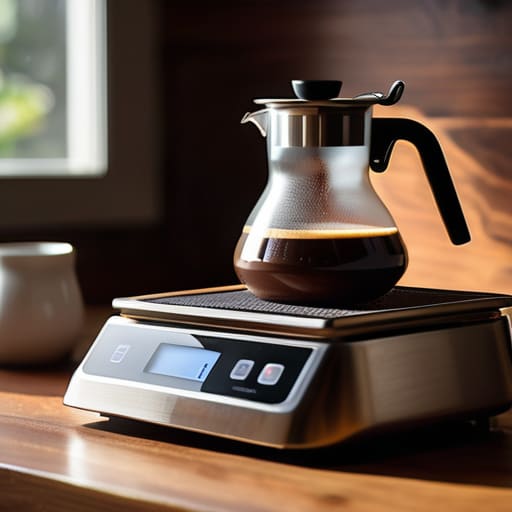
Most people think a better cup requires a bigger budget. They see a shiny new scale or a temperature-controlled gooseneck kettle and think, “That’s the missing piece.” I spent years behind a bar watching people chase these shadows. They buy every gadget on the market, thinking they are building a professional station, but they end up with a cluttered counter and a mediocre brew.
The truth is, most of these are just overrated coffee gadgets designed to separate you from your paycheck. If you want to actually taste the difference in your beans, you don’t need a motorized grinder or a digital timer that syncs to your phone. You need a predictable ritual. I focus on improving coffee flavor without expensive gear by mastering the basics: grind consistency and heat stability.
Instead of chasing the next big trend, I look for a cost-effective coffee brewing setup that actually works. If a piece of equipment doesn’t change the acidity, the body, or the sweetness of my morning cup, it doesn’t belong on my counter. I’m not here to sell you a lifestyle; I’m just trying to avoid wasting money on things that don’t taste like anything.
Key Things to Know
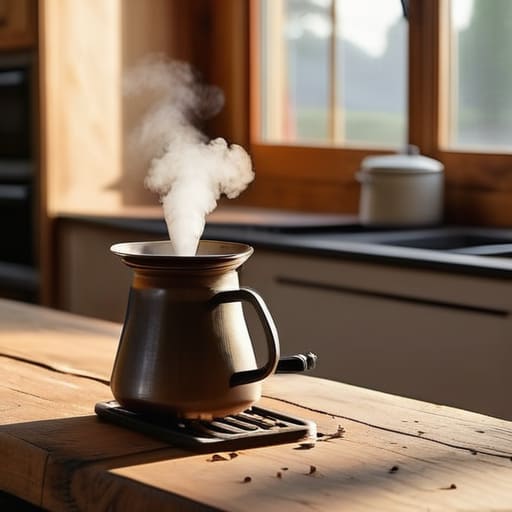
First, stop looking at the price tags. Most people think a better cup requires a more expensive scale or a temperature-controlled kettle that looks like it belongs in a laboratory. That’s a trap. If you want a cost-effective coffee brewing setup, you need to focus on the variables you can actually control: your grind size and your water temperature. Most of those fancy, motorized gadgets are just overrated coffee gadgets designed to make you feel like a scientist when you’re really just making breakfast.
I’ve spent years behind professional machines, and I can tell you that the physics don’t change just because the gear costs more. If you are looking for improving coffee flavor without expensive gear, start with your beans. Buy fresher coffee. That will do more for your morning cup than a five-hundred-dollar grinder ever could. Focus on the minimalist coffee brewing essentials—a decent manual grinder, a simple scale, and a reliable brewer. Everything else is just clutter on your kitchen counter.
Practical Tips and Steps
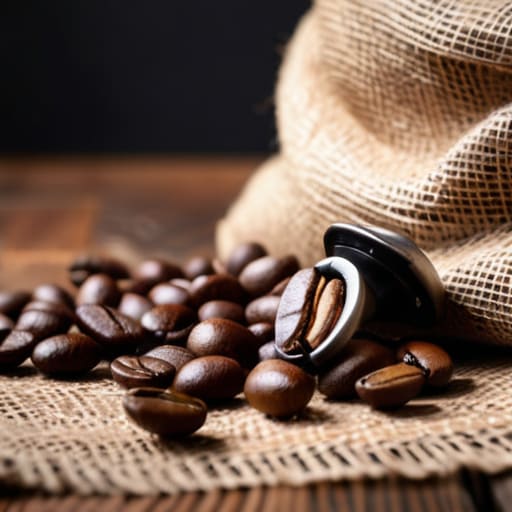
Start with your beans. If you buy a thousand-euro grinder but use supermarket beans, you’re just making expensive mud. I’ve seen people obsess over precision scales while using stale, oily coffee. Instead, focus on a cost-effective coffee brewing setup that prioritizes freshness. Buy a decent burr grinder and a scale that actually measures grams, then spend the rest of your budget on high-quality, single-origin beans. That is where the flavor actually lives.
Next, look at your workflow. I used to spend ten minutes cleaning every single tiny gadget, thinking it made the ritual “professional.” It didn’t. It just made me tired. Focus on improving coffee flavor without expensive gear by mastering your pour technique or your water temperature. If you can’t tell the difference between a $200 gooseneck kettle and a standard one, don’t buy it. Stick to the minimalist coffee brewing essentials—a good grinder, a reliable brewer, and fresh water. If the cup tastes better, you win. If it doesn’t, you just saved yourself a trip to the credit card company.
Common Mistakes to Avoid
The biggest mistake I see is the “all-at-once” trap. You see a shiny YouTube video, get inspired, and suddenly your kitchen counter is a graveyard of overrated coffee gadgets you don’t actually need. You buy a precision scale, a temperature-controlled kettle, and a specialized timer all in one weekend. It feels like progress, but it’s just clutter. Most people jump to expensive accessories before they even understand how a simple grind size affects their extraction.
Another error is ignoring the basics in favor of tech. I’ve seen people spend a fortune on smart scales while using stale, supermarket beans. That’s like buying a Ferrari to drive through a swamp. If you want a cost-effective coffee brewing setup, focus on the variables that actually move the needle: fresh beans, a decent burr grinder, and consistent water temperature. Don’t let the pursuit of the perfect gadget distract you from the actual liquid in the cup. If a piece of gear doesn’t make the coffee taste better, it’s just a very expensive paperweight.
Final Thoughts
At the end of the day, my kitchen isn’t a showroom. It’s just where I make my breakfast. I’ve learned that a cost-effective coffee brewing setup usually beats a pile of shiny, expensive junk every single time. If you spend all your money on a smart scale that connects to your phone via Bluetooth, you probably won’t have enough left for the high-quality beans that actually make the drink taste good.
Focus on the basics. A decent grinder, a simple kettle, and fresh beans are my minimalist coffee brewing essentials. Everything else is just noise. I’ve wasted plenty of time chasing the latest trend, only to realize my old, beat-up gear was doing the exact same job.
Stop looking for the magic gadget. Instead, look at your beans and your technique. That is how you actually achieve improving coffee flavor without expensive gear. If a new toy doesn’t make the coffee taste better, put it back on the shelf. Your wallet, and your morning ritual, will thank you.
The Bottom Line
Look, we can talk about precision temperature controllers and digital scales that sync to your phone all day long. But at the end of the week, my testing shows the same thing: most of that expensive kit is just noise. If you have a decent grinder, a way to heat water, and some decent beans, you are already ahead of most people. Don’t let a shiny new gadget convince you that your current setup is broken. I’ve spent way too much money on fancy accessories that didn’t actually move the needle on my flavor profile. Focus on the variables that actually matter—your grind size and your bean quality—and skip the rest until you truly feel the limitation in your cup.
At the end of the day, coffee is supposed to be a ritual, not a math exam. I spent eight years behind a bar watching people stress over every single milligram, and frankly, it’s exhausting. The goal isn’t to own the most expensive kit in the neighborhood; it’s to enjoy a damn good cup of coffee while sitting down in your own kitchen. If a piece of gear makes you more anxious than it makes your coffee taste better, it has no business being on your counter. Keep it simple. Buy better beans, learn how to brew them, and stop chasing the gear that promises a miracle it can’t actually deliver.