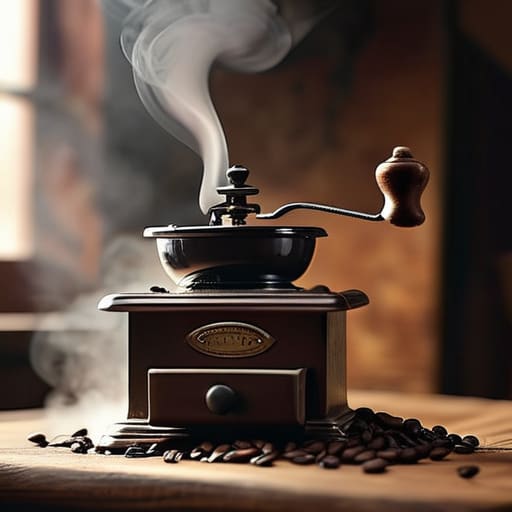
I spent three years as a head barista listening to people spend five hundred Euros on a new grinder because they thought it was the cure for a bad morning. They’d swap the gear, keep the same old habits, and still end up with a cup that tasted like charcoal. It’s a joke. Most people think they need a laboratory setup to fix their brew, but the truth about why your coffee tastes bitter usually has nothing to do with how much money you dropped on your countertop. It’s almost always something much more stubborn and simple.
I’m not here to sell you a subscription to a fancy bean club or a piece of titanium hardware. I’m just going to tell you what actually happened when I messed with my grind size, my water temperature, and my contact time this week. I’ll tell you which changes actually fixed the flavor and which ones were a complete waste of time. If a tweak didn’t change the taste in my cup, I’m not going to pretend it did. Let’s just get to the part that actually matters.
Understanding Why Your Coffee Tastes Bitter

Most people think bitterness is just part of the bean, but usually, it’s a sign you’ve pushed the chemistry too far. I call it over-extraction. It’s that point where the water stops pulling out the sweetness and starts scavenging for the unpleasant, heavy stuff. If your cup tastes like ash or dried herbs, you’ve likely hit the limit. Often, it comes down to grind size and bitterness; if your particles are too fine, the water lingers too long on the surface area, dragging out those harsh notes.
Then there is the heat. I used to obsess over the exact water temperature for brewing, thinking a few degrees would change my life. Sometimes it does, but more often, a boiling kettle just scorches the grounds. It’s a fine line. You can also blame the roast. A dark roast is inherently more bitter because the sugars have already carbonized, so you aren’t fighting the brewing process—you’re just fighting the bean itself. I’ve spent way too much time trying to “fix” a dark roast with technique, only to realize the bean was the problem all along.
Key Things to Know
I’ve spent too many mornings staring at a cup that tasted like an ashtray. Usually, it comes down to the physics of the brew. If you are seeing over-extraction coffee symptoms—that dry, astringent feeling on your tongue—you’re likely pulling too much out of the bean. It’s not magic; it’s just chemistry gone wrong. Most people blame the beans, but I’ve seen people use world-class light roasts and still end up with a bitter mess because they ignored their grind size and bitterness relationship.
If you grind too fine, the water struggles to pass through, lingering too long and cooking the grounds. I recently tried a finer setting on my old hand grinder just to see if it would boost the body, but it just turned the cup into liquid charcoal. Another culprit is your heat. If your kettle is screaming, you’re likely hitting the coffee too hard. Finding the right water temperature for brewing is a balancing act, not a fixed rule. Sometimes, a few degrees makes all the difference between a bright morning and a cup you want to pour down the sink.
Practical Tips and Steps
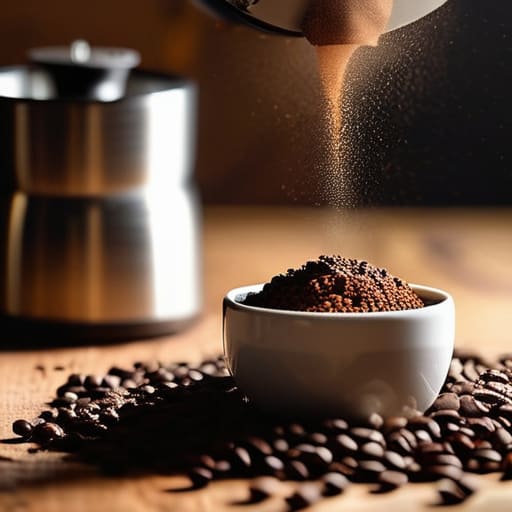
Start with your grind. If your morning cup is hitting you with that harsh, dry sensation on the back of your tongue, you’re likely looking at over-extraction coffee symptoms. I spent twenty minutes yesterday adjusting my Comandante by just two clicks. It sounds like overkill, but the difference between “pleasant dark chocolate” and “charred wood” is often just a matter of grind size and bitterness. Go coarser. If the bitterness stays, the problem isn’t the teeth of your grinder; it’s something else.
Next, look at your heat. Most people think boiling water is the gold standard, but that’s a quick way to scorch your beans. I’ve found that dropping my water temperature for brewing by just five or six degrees can soften those aggressive, biting notes. It’s a small tweak, but it’s often more effective than buying a new kettle. Also, check your gear. I found a week ago that old coffee oils stuck to my French press plunger were making everything taste rancid. Cleaning coffee equipment isn’t just about hygiene; it’s about flavor.
Common Mistakes to Avoid
I’ve seen people spend hundreds on a new grinder only to ruin the cup because they forgot the basics. The biggest culprit I see is ignoring coffee bean roast levels. If you try to brew a dark, oily roast with the same precision and high heat you use for a light Ethiopian, you’re going to end up with a cup that tastes like an ashtray. Darker beans are more soluble; they don’t need a punishingly high water temperature to give up their flavor.
Then there is the “set it and forget it” trap. People get comfortable with a specific routine and stop paying attention to how their gear is actually performing. I can’t tell you how many times I’ve tasted a sharp, unpleasant bite only to realize I hadn’t been cleaning coffee equipment properly. Old oils stuck to the burrs or inside a French press don’t just disappear; they go rancid. If you aren’t washing your gear, you aren’t tasting the coffee—you’re tasting last week’s mistakes.
Final Thoughts
At the end of the day, there is no magic setting that works for every bean. I spent three hours yesterday tweaking my water temperature for brewing because I thought a lower heat would fix a sour batch, only to realize I had just used a stale bag of beans. It wasn’t the heat; it was the roast. Sometimes, the simplest answer is just looking at your coffee bean roast levels and accepting that a dark roast is always going to fight you a little bit.
Stop chasing perfection with expensive gear. I’ve seen people spend a month’s rent on a new grinder only to realize they were just neglecting the basics, like cleaning coffee equipment properly. If your brew tastes like an ash tray, don’t buy a new machine. Just change one thing. Coarsen the grind, check your ratio, or maybe just buy fresher beans. If the cup doesn’t improve, move to the next variable. That is the only way to actually learn.
The Bottom Line
At the end of the day, bitterness is usually just a sign that you’ve pushed the extraction too far. Whether it was water that was way too hot, a grind setting that was too fine, or a brew time that dragged on for a few seconds too long, the culprit is almost always one of those variables. I’ve spent many mornings staring at a cup of liquid charcoal because I was too lazy to clean my grinder or too impatient to wait for my kettle to settle. If your coffee tastes harsh, don’t go out and buy a thousand-euro espresso machine to fix it. Just change one thing at a time—coarsen the grind or drop the temperature—and see if the cup actually follows suit.
Don’t let the pursuit of the perfect cup turn your kitchen into a laboratory of frustration. I still have mornings where my brew is slightly off, and honestly, I don’t always care. The goal isn’t to achieve mathematical perfection; it’s to find a flavor that makes you want to sit down and enjoy it. Coffee is supposed to be a ritual, not a chore. If you find a tweak that works, great. If not, just pour it out and try again tomorrow. The beans aren’t going anywhere.