I spent three years watching customers stare at espresso machines like they were reading ancient runes, convinced that a $2,000 price tag meant better flavor. Most of that hype is nonsense. People obsess over titanium coatings and proprietary geometry, but they rarely stop to understand burr grinders and what the burrs actually do to the bean. I’ve seen guys spend a month’s rent on a high-end grinder only to realize their coffee tasted like battery acid because they didn’t understand particle distribution. It’s not about the brand name on the side of the tin; it’s about how much dust you’re dumping into your brew.
I’m not here to sell you a lifestyle or a shiny new piece of kit. I’ve spent enough time behind a bar to know that most gear is just marketing wrapped in stainless steel. In this post, I’m stripping away the jargon to tell you what actually matters when you’re grinding your morning cup. I’ll tell you when a fancy burr set is a game changer and when it’s just a waste of your hard-earned money.
Stop Buying Shiny Metal Burr Grinders and What the Burrs Actually Do
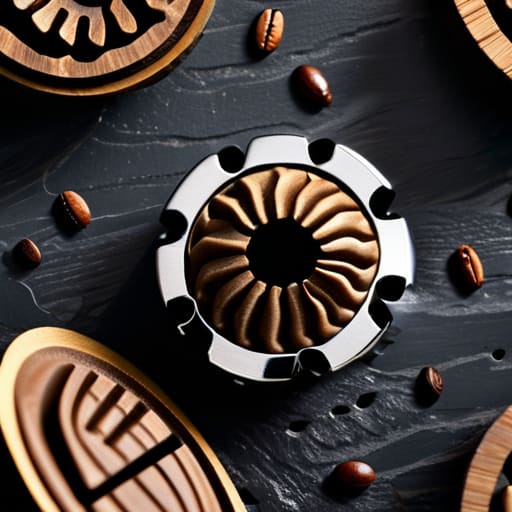
Most people walk into a shop and buy whatever looks like it belongs in a sci-fi movie. They see brushed steel and laser-etched dials and assume it’s magic. It isn’t. What actually matters is the geometry of the teeth. When we talk about conical vs flat burr grinders, the debate usually boils down to how they chop the bean. Conical burrs tend to produce a wider particle size distribution coffee, which is great for a forgiving French press. Flat burrs are different; they aim for a more uniform grind that makes your espresso pop.
I spent a month testing a high-end grinder that promised “unrivaled precision.” I kept tweaking the settings, hunting for that perfect dial, but the reality was much simpler. It all comes down to grind consistency and extraction. If your burrs are uneven, you get tiny dust particles that make the coffee bitter and big chunks that make it sour. You end up with a muddy, confused cup. The metal might look pretty on your counter, but if the burrs aren’t cutting cleanly, you’re just brewing expensive garbage.
The Truth About Conical vs Flat Burr Grinders in My Cup
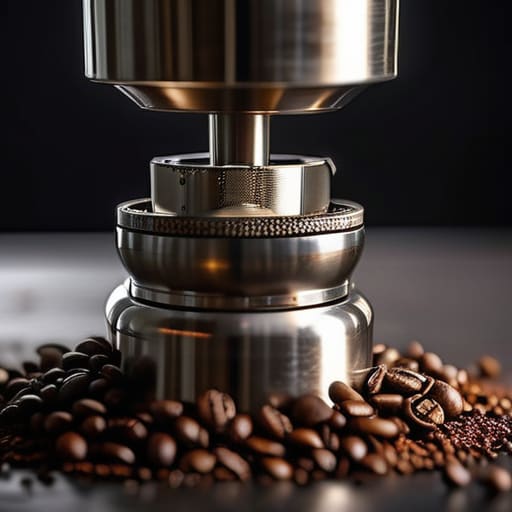
I spent most of my twenties using conical burrs behind a busy bar. They are forgiving. You can be a little messy with your technique, and the coffee still tastes decent. Conicals tend to produce a wider particle size distribution coffee, which sounds technical, but it just means you get a mix of big and small bits. In my cup, that usually translates to a “rounder,” more textured mouthfeel. It’s the kind of coffee that hides mistakes well.
Then I switched to flat burrs for my home setup. The difference is immediate. Flat burrs aim for a much tighter grind consistency and extraction. Everything is more uniform. If you like a cup that is bright, clear, and tastes exactly like the tasting notes on the bag, flats are the way to go. But be warned: they are less forgiving. If your technique slips, the cup will tell you immediately. I’ve found that while the conical burr feels like a warm hug, the flat burr is a precision tool. One is for comfort; the other is for clarity.
Why Particle Size Distribution Coffee Matters More Than Your Budget
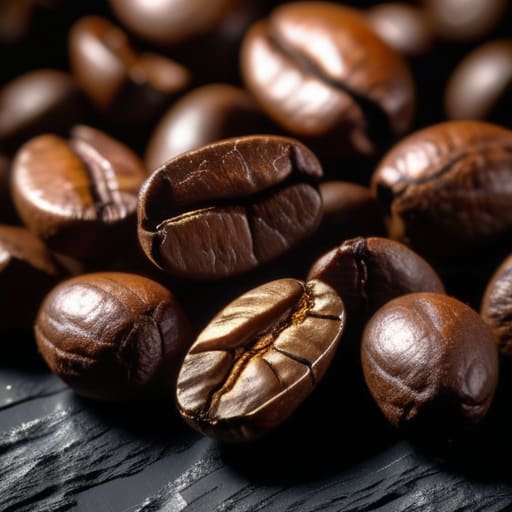
I spent most of my twenties watching baristas obsess over the brand name on a grinder. It’s a distraction. What actually matters isn’t the logo, but the particle size distribution coffee produces. When you grind, you aren’t just making small pieces of bean; you are creating a spectrum. Some bits are huge, some are tiny dust. If your grinder produces too much “fines”—those microscopic dust particles—they clog the filter and make your coffee taste bitter and muddy.
I’ve tested grinders that cost more than my first car, and frankly, the difference usually comes down to how they handle this mess. A high-end machine aims for grind consistency and extraction by making sure almost every particle is the same size. When the size is uniform, the water flows through predictably. You get clarity. If you have a mix of boulders and sand, you’re just gambling with your morning. You might get a sweet note here or a sour note there, but you’ll never actually taste the bean.
Chasing Grind Consistency and Extraction Without Wasting Expensive Beans
I’ve spent too many mornings staring at a scale, trying to figure out why a “perfect” recipe tasted like battery acid. Usually, it’s not the beans. It’s the grind. If your grinder produces a chaotic mix of boulders and dust, your extraction is doomed. The dust over-extracts and turns bitter, while the boulders stay sour. This mess is why grind consistency and extraction are the only things that actually matter when you’re dialing in a pour-over.
I used to think more expensive meant more precise, but I’ve learned that adjusting grind settings precision is a bit of a lie if the hardware can’t keep up. You can turn the dial a tiny hair, but if the burrs are uneven, the cup won’t care. Also, watch out for those cheap, high-speed motors. If you feel the metal getting hot during a long session, you’re dealing with burr grinder heat generation that can actually bake the oils before they even hit your water. It’s a waste of good specialty coffee.
How the Coffee Bean Fragmentation Process Changes Your Morning Ritual
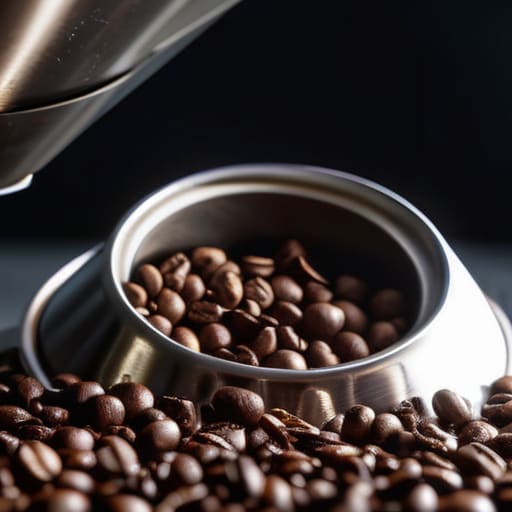
Most people think grinding is just about making small rocks. It isn’t. It’s more like a controlled demolition. When those beans hit the steel, the coffee bean fragmentation process determines whether you get a clean, bright cup or a muddy mess. If the burrs are dull or poorly aligned, they don’t actually cut the bean; they crush it. You end up with a mountain of “fines”—tiny, dust-like particles that clog your filter and make everything taste bitter and ashy.
I noticed this most when I tried to rush my morning brew with a cheap blade grinder last Tuesday. It was a disaster. Real burrs, whether you’re looking at conical vs flat burr grinders, are designed to manage how that bean shatters. You want a predictable breakup. When the fragmentation is even, the water flows through the bed at a steady rate. If the physics are wrong, you’re just fighting your equipment instead of enjoying your caffeine. It’s the difference between a focused, sweet cup and a chaotic, sour one.
I Ignored Burr Grinder Heat Generation and the Flavor Died
I used to think a grinder was just a machine that turned beans into dust. I didn’t think about physics. Last Tuesday, I decided to grind about eighty grams of a light-roast Ethiopian for a group of friends. I was rushing. I kept the motor running, cranking through the batches without letting the machine catch its breath.
By the third batch, the metal was hot to the touch. I didn’t think much of it until I tasted the brew. The bright, floral acidity I expected was gone, replaced by a weird, burnt-ash aftertaste. That’s burr grinder heat generation for you. The heat from the friction was literally cooking the oils on the surface of the grounds before they even hit the water.
It’s a lesson in patience. When those burrs get too hot, they mess with the delicate chemistry of the bean. You can have the best particle size distribution coffee in the world, but if the heat has already compromised the oils, you’re just drinking expensive, scorched water. I learned my lesson: let the gear cool down, or just grind slower.
Testing Adjusting Grind Settings Precision Did the Flavor Shift
I spent Tuesday morning playing a game of inches with my new grinder. Most people think adjusting grind settings precision is about finding a “sweet spot,” but it feels more like trying to tune a piano while wearing oven mitts. I moved the collar just one notch finer—a tiny, almost imperceptible click—and waited. I wasn’t looking for a revolution; I just wanted to see if the machine actually cared about the nuance.
The result? The clarity jumped. The muddy, heavy notes from my coarser setting vanished, replaced by a sharp, citrus acidity that actually sat on the tongue. It’s proof that grind consistency and extraction aren’t just buzzwords for people with too much time; they are the difference between a cup that tastes like “brown water” and one that tastes like blueberries. However, I did notice that when I pushed the setting too far into the fines, the sweetness died instantly. It turns out that even with expensive gear, you can easily overshoot the mark if you aren’t paying attention to how the beans are actually breaking apart.
The bottom of the bag
Look, we’ve covered a lot of ground. We talked about why those expensive flat burrs might not actually be a magic wand, why heat is a silent flavor killer, and why the way your beans shatter matters more than the logo on the grinder. The takeaway is simple: it’s not about owning the most expensive piece of steel in the kitchen. It’s about understanding the physics of what’s happening inside that chamber. If you focus on particle distribution and stop chasing shiny metal, you’ll stop wasting money and start actually tasting your coffee. At the end of the day, a grinder is just a tool to get you to the liquid, and consistency beats prestige every single time.
I spent years behind a bar trying to find the “perfect” setup, only to realize that the best cup is usually the one where I actually paid attention to the grind. Don’t get lost in the spec sheets or the forum debates. Buy something that works for your budget, learn how it behaves, and then just brew the damn coffee. The gear is there to serve you, not the other way around. Now, if you’ll excuse me, I have some old hand grinders to clean and a very mediocre bag of Ethiopian to try to save.