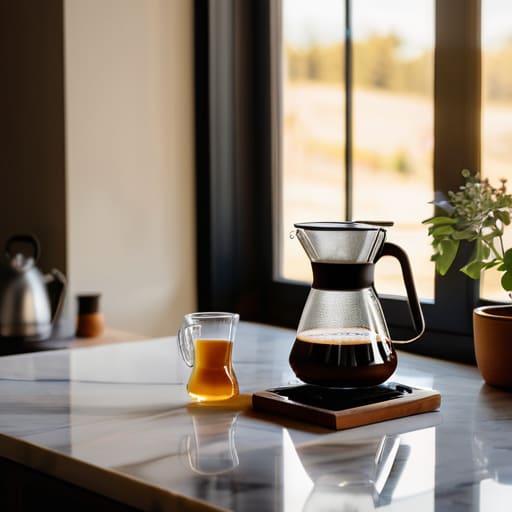
I woke up at 6:00 AM to the sound of a metal burr grinding like a construction site. My roommate was already at it, pulling a shot with a machine that costs more than my first car, while I was just trying to find my scale in the dark. There is a specific kind of tension that comes with sharing a kitchen with another coffee drinker, especially when your brewing philosophies are miles apart. You start to realize that your “sacred” morning ritual is actually just a battle for countertop real estate and clean equipment.
I’m not here to tell you to buy a second espresso machine or start a formal treaty. I’ve spent years behind bars and even more years in my own kitchen, and I’ve learned that most of the “solutions” people suggest are just more expensive ways to annoy each other. I’m going to tell you what actually works when you’re trying to coexist. We’ll talk about gear placement, cleaning habits, and which expensive upgrades are actually worth the clutter. If a piece of equipment doesn’t make the shared morning smoother, I won’t recommend it.
Understanding Sharing a Kitchen With Another Coffee Drinker
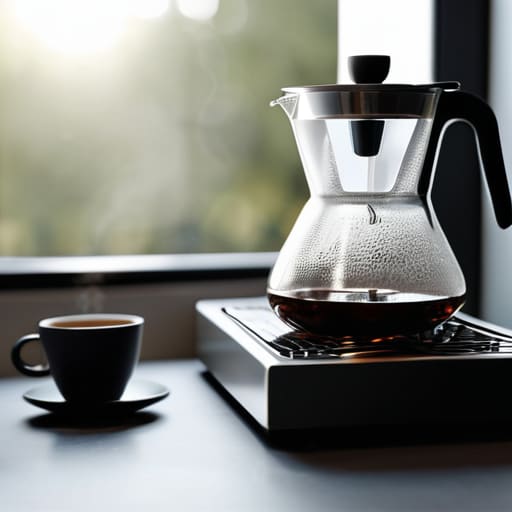
It usually starts with a silent standoff over the countertop. You have your V60 setup, your specific scale, and your favorite beans. Then comes the roommate with the pod machine or the giant drip carafe that takes up half the workspace. It isn’t just about the space, though. It’s about the unspoken rules of how a kitchen functions when two different caffeine philosophies collide.
If you don’t establish some basic roommate coffee machine rules early on, things get messy. I’ve seen friendships end over a stray coffee ground left in the sink or a milk pitcher that wasn’t rinsed. You have to decide: is this a shared territory, or are we drawing lines in the sand? I prefer drawing lines. I keep my gear in my corner, and they keep theirs in theirs.
The real friction happens during the rush. If you’re trying to dial in a precise espresso shot while someone else is frantically boiling water for tea, you’re going to have a bad time. Avoiding morning kitchen conflicts mostly comes down to one thing: respecting the workflow. If you use the last of the shared milk, buy more. If you make a mess, wipe it up. Simple.
Key Things to Know
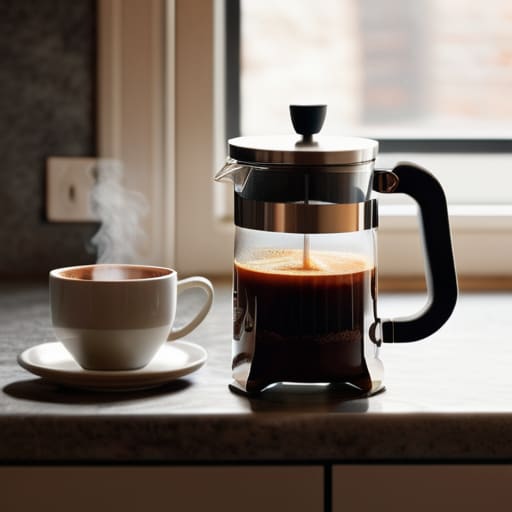
First, we need to talk about the physical space. Most people think a coffee station is just a machine and a bag of beans, but it’s actually a minefield of unspoken expectations. If you’re sharing a countertop, you have to decide early on if you’re co-existing or competing. I’ve seen friendships end over a misplaced scale or a spilled pile of grounds. Organizing a shared coffee station isn’t about being neat; it’s about survival. If your roommate uses a V60 and you use a French press, you need a designated zone for your filters and spoons before the morning rush turns into a scavenger hunt.
Then there is the matter of the gear itself. This is where the real friction happens. You can’t just leave a crusty portafilter in the sink and hope for the best. Establishing basic coffee maker maintenance etiquette is the only way to keep the peace. I follow a simple rule: if you use it, you wipe it. If you empty the grounds, you dump the bin. It sounds basic, but ignoring these small habits is exactly how you end up with a bitter cup and a very annoyed housemate.
Practical Tips and Steps
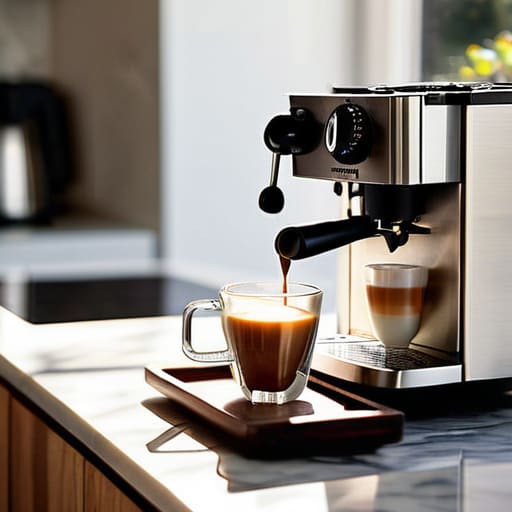
First, stop treating the counter like a communal dumping ground. If you use the grinder, you clean the grounds out of the catch tray. It sounds simple, but it’s the foundation of avoiding morning kitchen conflicts. I’ve seen too many friendships dissolve because someone left a crusty milk pitcher in the sink for three hours. If you share a machine, establish some basic coffee maker maintenance etiquette early on. That means rinsing the group head and wiping the steam wand immediately. Don’t wait for the next person to find your dried milk.
Next, let’s talk about the inventory. There is nothing worse than waking up for a pour-over only to find the bag is empty. Start managing coffee bean supplies with a simple “last scoop” rule: if you use the last of the beans, you’re the one responsible for the next bag. Also, designate a specific zone for your gear. Organizing a shared coffee station into “mine” and “ours” prevents your expensive V60 from getting buried under someone else’s cheap drip brewer. Keep it tidy, or don’t bother brewing at all.
Common Mistakes to Avoid
The biggest blunder I see is the “phantom cleaning” myth. People assume that if they rinse a portafilter, they’ve done their part. They haven’t. Leaving old, oily grounds in a shared grinder or a damp basket is a recipe for a sour, rancid morning for the next person. Proper cleaning shared coffee equipment isn’t just about being neat; it’s about respect. If you leave a mess, you aren’t just a bad roommate, you’re actively ruining their caffeine fix.
Then there is the supply trap. Nothing kills a mood faster than reaching for the bag and finding it empty with nothing but dust at the bottom. Don’t wait for the “we’re out” realization to hit your roommate. Managing coffee bean supplies should be proactive, not a guessing game. Also, stop treating the communal counter like a dumping ground for your scales, puck bins, and half-empty bags. If you don’t keep an organizing shared coffee station mindset, you’ll end up in a silent war over three square inches of granite. Keep your gear in its lane, or expect a very tense breakfast.
Final Thoughts
At the end of the day, you aren’t just sharing a countertop; you’re negotiating a daily ritual. I’ve learned the hard way that most morning kitchen conflicts don’t start over the rent, but over a crusty milk pitcher or a grinder full of someone else’s oily beans. You don’t need a formal contract, but you do need a baseline of respect. If you use the last of the light roast, buy more. If you make a mess, wipe it up.
It really comes down to coffee maker maintenance etiquette. If your roommate’s gear is part of the ecosystem, treat it like it’s yours—or better yet, treat it better than your own. Whether you are organizing a shared coffee station to keep the chaos at bay or just trying to find your favorite scale in the morning clutter, clarity is your best friend. Keep the communication simple and the caffeine flowing. If the workflow stays smooth, the coffee usually tastes better too. And if it doesn’t? Well, at least you aren’t fighting about it.
The Bottom of the Cup
At the end of the day, sharing a kitchen comes down to managing two things: space and respect. You can have the most expensive grinder in the world, but it doesn’t matter if it’s covered in someone else’s oat milk residue or buried under a pile of dirty spoons. We talked about setting boundaries, keeping the gear clean, and—most importantly—not letting a difference in brewing methods turn into a kitchen battlefield. If you can agree on where the beans live and who cleans the scale, you’ve already won half the battle. It’s about finding a way to coexist so that everyone gets a decent cup of coffee without needing a peace treaty by noon.
I used to think the perfect ritual required absolute silence and a sterile countertop. I was wrong. Some of my best brews happened in chaotic kitchens where someone was making toast while I was trying to dial in a light roast. The gear is just tools, and the ritual is mostly for us. Don’t let the friction of sharing a small space ruin your relationship with the bean. If the coffee tastes good, the clutter doesn’t matter as much as you think it does. Just keep the water hot and the conversation easy.