
I spent three years watching people in high-end cafes perform these elaborate, choreographed rituals. They’d sit with their journals and their expensive ceramics, convinced they were mastering the art of self-actualization. It always felt like a performance. Most of these “optimization” hacks are just expensive ways to avoid actually living. We see these influencers selling the idea that the morning routines people build around knowing themselves are some kind of sacred, unbreakable code. But honestly? Most of it is just noise. If a ritual doesn’t actually change how you feel when you finally sit down to face the day, it’s just another chore you’ve added to your list.
I’m not here to sell you a lifestyle or a $50 planner. I only care about what actually works when the house is quiet and the caffeine hasn’t kicked in yet. I’ve stripped away the fluff to look at the few habits that actually moved the needle for me. I’ll tell you what stayed, what failed, and what was a complete waste of time. No gear worship, no pseudo-spiritual nonsense—just the practical reality of finding a rhythm that actually fits your life.
The Morning Routines People Build Around Knowing Themselves

I’ve realized that most people try to build a routine from the outside in, picking habits like they’re choosing a new grinder from a catalog without knowing their own taste. It’s much more effective to work backward. If you want to stop guessing and start looking at the underlying architecture of your personality, it helps to find the aspects in your own chart first. It isn’t about mysticism for me; it’s about having a reliable map of your temperament so you don’t waste energy on rituals that simply clash with your nature.
I see people online treating their mornings like a sacred liturgy. They talk about mindful morning rituals for self-discovery as if a specific sequence of stretches and breathing will suddenly reveal their soul. It sounds exhausting. I used to think that if I just bought the right ceramic mug or the perfect goose-neck kettle, I’d finally feel “aligned.” But gear doesn’t provide clarity.
Most of these routines are just attempts at cultivating self-awareness through morning practices that actually stick. I’ve watched friends swear by journaling for emotional intelligence, scribbling furiously before the sun is even up. They aren’t just writing; they are trying to map out who they are before the world starts demanding things from them.
I’ve tried the heavy stuff. I’ve sat through the long, silent sessions of morning meditation for introspection, waiting for some grand epiphany to hit me mid-breath. Usually, I just end up thinking about whether I remembered to descale my machine. The truth is, these rituals only work if they actually make you feel more like yourself, rather than just another person following a checklist.
Why Most Expensive Habits Fail the Cup Test
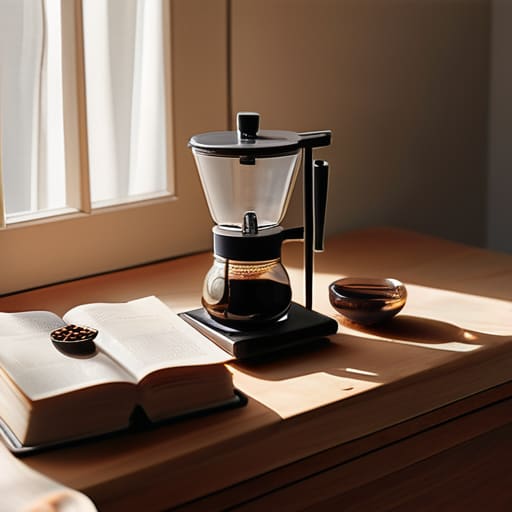
I spent a decent chunk of my savings on a precision scale and a high-end grinder last year. I thought the gear would fix my mood. It didn’t. Most people approach their self-improvement the same way. They buy the expensive linen journals or subscribe to the premium meditation apps, thinking the ritual itself is the transformation. But if you’re just performing a task, you aren’t actually growing. You’re just adding more chores to your morning.
I’ve noticed that mindful morning rituals for self-discovery often fall into this trap of performative busyness. People spend forty minutes setting the perfect stage, only to realize they’ve spent more time managing the process than actually checking in with themselves. It’s like obsessing over the grind size of a bean but forgetting to actually taste the brew. If the habit doesn’t actually change how you feel when you’re sitting there, it’s just expensive noise. Real change doesn’t come from the price tag of your planner; it comes from the quiet moments where you actually stop to listen to what your brain is telling you.
Journaling for Emotional Intelligence What Actually Stayed With Me

I tried the whole “morning meditation for introspection” thing for a week. I sat there, eyes closed, waiting for some profound cosmic download. Nothing happened. My brain just looped a song from a commercial I saw three days ago. It felt like waiting for a pour-over to bloom when you’ve already used boiling water—just a lot of steam and no actual flavor.
Then I picked up a pen. I started journaling for emotional intelligence, but not the way those productivity gurus suggest. I didn’t write grand manifestos about my purpose. I just wrote down how the coffee tasted and why I felt rushed before I even finished the first sip. It turns out, cultivating self-awareness through morning practices isn’t about achieving Zen; it’s about noticing the friction.
If I’m angry at a client from yesterday, I see it on the page. If I’m actually excited about a new bean shipment, I see that too. It’s not a spiritual awakening. It’s just a way to stop drinking my coffee on autopilot.
Morning Meditation for Introspection That Actually Moved the Needle
I tried the whole “sitting in silence for twenty minutes” thing. I bought the expensive cushion. I sat there, eyes closed, waiting for some profound spiritual epiphany to hit me like a perfect shot of espresso. Instead, I just thought about whether I left the kettle on and wondered if my neighbor was actually playing techno at 6:00 AM. Most people sell morning meditation for introspection as this magical gateway to enlightenment, but for me, it felt like staring at a blank wall.
The turning point wasn’t finding silence; it was finding a way to actually listen to my own internal noise. I stopped trying to empty my head and started treating my thoughts like a messy brew—observing the acidity and the bitterness without trying to fix it immediately. This shift toward cultivating self-awareness through morning practices changed the game. It wasn’t about reaching a state of Zen. It was about noticing that I was actually anxious about a meeting three hours away, rather than pretending I was perfectly calm. That realization actually changed my day.
Aligning Daily Habits With Core Values Without the Fluff
Most people treat their morning like a checklist of chores they think they should do. They buy the expensive journals and download the meditation apps because they think it’s part of the package for a meaningful life. But if you’re just checking boxes, you aren’t actually doing anything. I spent years watching people in cafes perform these rituals like they were stage plays. They looked busy, but their coffee tasted like burnt expectations.
The real trick is aligning daily habits with core values instead of just following a trend. If you value stillness, a thirty-minute silent sit makes sense. If you value creativity, maybe your ritual is just listening to a specific record while the kettle boils. It’s about the psychology of intentional morning routines—understanding why you are doing the movement in the first place. If a habit doesn’t serve your actual nature, it’s just expensive clutter in your schedule. I stopped trying to “optimize” my life and just started doing things that made the morning feel honest. If it doesn’t change how I feel when I take that first sip, I cut it.
The Psychology of Intentional Morning Routines and Real Results
Most people treat a morning routine like a recipe they found online. They follow the steps, but they don’t taste the coffee. They do the breathing, they write the lines, and they check the boxes. But there is a massive gap between performing a task and understanding the psychology of intentional morning routines. It’s the difference between grinding beans and actually smelling the aroma. If you are just going through the motions to feel productive, you aren’t actually building a foundation; you’re just performing a script.
Real change happens when you stop treating these habits as chores and start seeing them as data points. When you focus on cultivating self-awareness through morning practices, you start to notice patterns. You realize that a certain type of silence or a specific way of moving through your kitchen actually shifts your mood for the afternoon. It isn’t about the “perfection” of the ritual. It’s about whether the ritual actually leaves a mark on your day. If a habit doesn’t change how you show up to your life, it’s just expensive noise.
Cultivating Self Awareness Through Morning Practices That Work
I’ve seen people spend hundreds on high-end timers and precision scales, thinking the gear will somehow make them more “present.” It won’t. You can have the perfect extraction, but if your head is still stuck in yesterday’s emails, the coffee will taste like anxiety. Real cultivating self-awareness through morning practices isn’t about adding more steps to your checklist; it’s about removing the noise. It’s the difference between a rushed espresso shot and one where you actually notice the aroma.
For me, it’s about the quiet moments before the grinder starts screaming. I don’t do the fancy, hour-long sessions. I focus on mindful morning rituals for self-discovery that fit into the ten minutes I spend waiting for my kettle to boil. If a practice feels like a chore, it’s useless. I’ve found that if I’m not actually listening to what my body needs—whether that’s silence or a bit of movement—I’m just performing a ritual for the sake of it. The goal is to show up to the cup actually awake.
The Final Extraction
We’ve spent a lot of time looking at the gear—the journaling, the meditation, the rigid schedules. But just like a high-end grinder that sits idle because the burrs are misaligned, a routine is useless if it doesn’t actually serve the person using it. I’ve learned that you can buy all the productivity planners in the world, but if they don’t help you understand your own internal temperature, they are just expensive clutter on your kitchen counter. The goal isn’t to perform a perfect ritual; it’s to find the specific variables that actually change the flavor of your day. If a habit feels like a chore rather than a tool for clarity, stop doing it. It’s not working.
At the end of the day, knowing yourself isn’t a destination you reach once you’ve mastered a perfect 5:00 AM wake-up call. It’s more like a continuous brew. Some mornings the extraction is sweet and balanced; other mornings, it’s bitter and over-extracted. Both are part of the process. Don’t get so caught up in the mechanics of the routine that you forget to actually taste the life you’re building. Focus on the small, repeatable things that bring you back to center. The ritual is secondary; the clarity is everything.