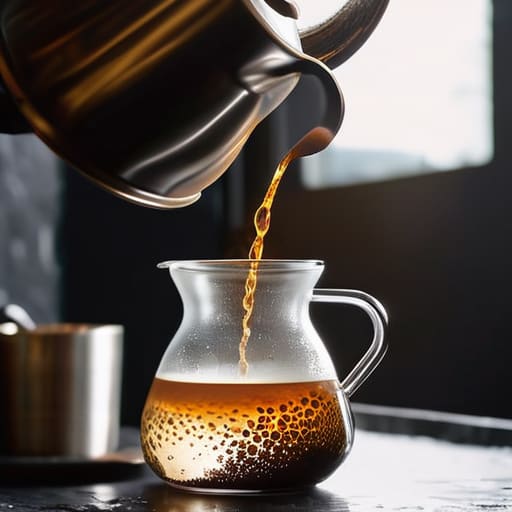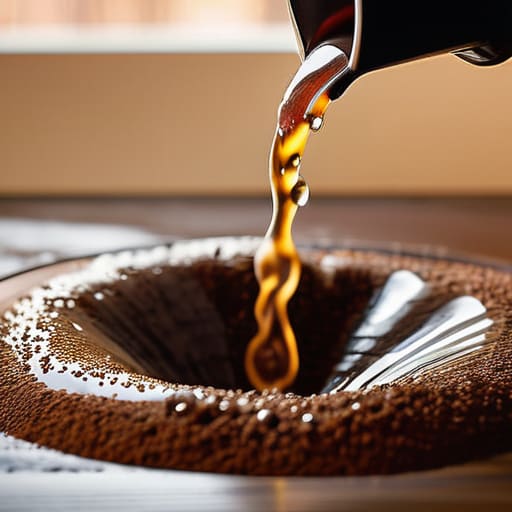
I spent years behind a bar watching people treat the bloom like some sacred, mystical ritual. They’d stare at the degassing bubbles as if the coffee were about to reveal the secrets of the universe, timing it with a stopwatch to the exact second. Honestly? Most of that extra waiting is just theater. I’ve spent my mornings testing bloom time and what it actually does to a brew, and I’ve realized that much of the “science” we hear online is just expensive noise designed to make a simple process feel complicated.
I’m not here to give you a lecture on gas solubility or complex chemistry. I just want to tell you what happens when I actually change the clock in my own kitchen. This week, I ran the numbers on different wait times using the same beans and the same grinder. I’ll tell you exactly which changes made my morning better and, more importantly, which ones were a complete waste of time. If the cup didn’t change, I’m telling you straight.
The Bloom Did It Actually Change the Flavor
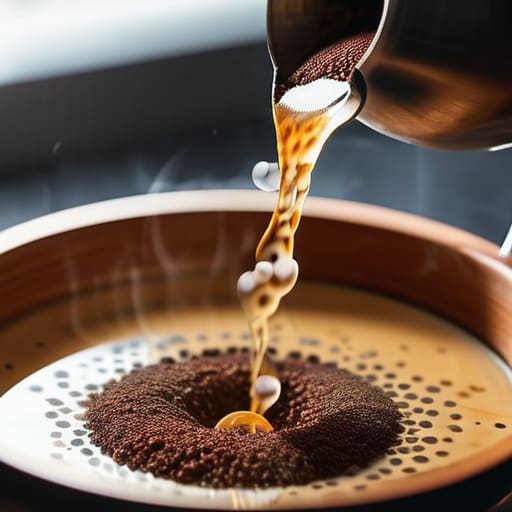
I set up a controlled test. Same beans, same grind, same temperature. The only thing I changed was the timer. On Tuesday, I did a standard 30-second bloom. On Wednesday, I pushed it to 60 seconds. I wanted to see if that extra degassing actually unlocked something hidden in the acidity.
The truth? It didn’t matter. The cup tasted identical. I kept waiting for a burst of clarity or a cleaner finish, but nothing happened. It’s funny how much we obsess over the mechanics of a brew. We treat the coffee cherry like it’s some fragile miracle of photoperiodism in plants, as if every second of water contact is deciding the fate of the flavor.
In reality, once the gas is out, it’s out. I think we get caught up in the science of the coffee’s origin—the complex seasonal flowering patterns and how they shape the bean—and then we try to over-engineer the extraction to compensate. But if the gas is gone in thirty seconds, sitting there for another thirty is just making me wait longer for my caffeine.
Decoding Bloom Time and What It Actually Does in My Cup
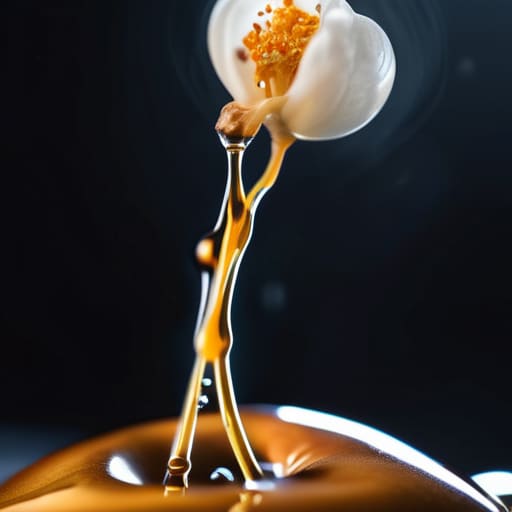
Here is the science, stripped of the fluff. When you pour that first bit of water, you aren’t just wetting grounds; you are managing gas. The coffee bean is a seed, and its history is tied to the complex pollination and flowering process of the coffee cherry. During that stage, the plant’s energy is focused on developing the fruit, and that biological history stays locked inside the bean until you hit it with hot water.
The “bloom” is just the CO2 escaping. If your beans are fresh—roasted within the last week—they are packed with this gas. If you don’t let it out, the gas acts like a shield, pushing the water away from the coffee particles. It’s a physical barrier. I’ve found that if I skip the bloom, the water just skates across the surface instead of actually soaking in. You aren’t just waiting for bubbles; you are clearing the way so the water can actually do its job. If the beans are old, though? There’s no gas to escape. In that case, a long bloom is just wasted time and a soggy mess.
From Pollination and Flowering Process to My Morning Brew
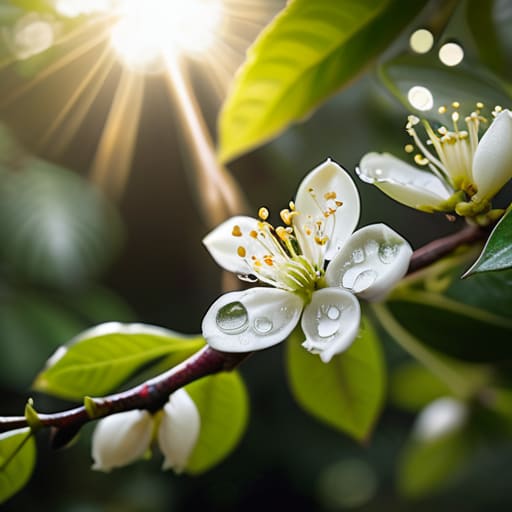
To understand why we pour that first bit of water, you have to look back at the farm. A coffee cherry doesn’t just appear; it’s the result of a complex pollination and flowering process that happens months before I even touch the beans. When the trees get the right signal—usually a change in moisture or temperature—they commit a massive amount of plant energy allocation during blooming to produce those white flowers. It’s a high-stakes moment for the plant.
If the weather is off during that window, the whole crop suffers. Everything from seasonal flowering patterns to the specific way the blossoms open dictates how much fruit the tree will eventually carry. It’s a delicate biological dance.
I find it funny that we obsess over a thirty-second timer in our kitchens when the real “bloom” happened in a field halfway across the world. We are essentially trying to manage the leftover gases from a process that started with nature’s own timing. We call it a “bloom” in the kitchen to sound professional, but really, we’re just managing the aftermath of a plant’s hard work.
Seasonal Flowering Patterns Does Terroir Really Matter Here
I spent some time reading up on the biology side of this, mostly because I wanted to see if the farm’s altitude actually mattered for my V60. It turns out, it does. The seasonal flowering patterns in places like Ethiopia or Colombia aren’t just background noise; they dictate how much energy the plant puts into the cherry. If a coffee tree is stressed by weird weather during its blooming phase, the fruit ends up being a bit… underwhelming.
It’s all about how the plant manages its resources. When we talk about factors affecting flower development, we’re really talking about how the plant decides to spend its energy. If the flowering is synchronized and healthy, you get a more consistent crop. For me, this means a more predictable extraction at home. I don’t care much about the science of photoperiodism in plants while I’m yawning at 7:00 AM, but I do care that a well-flowered crop translates to a cup that isn’t sour or thin. If the farm had a bad season, no amount of precise pouring is going to fix it.
Plant Energy Allocation During Blooming vs My Extraction Yield
It sounds like a stretch, but the coffee bean in my grinder is basically a concentrated package of a plant’s survival strategy. When a coffee tree goes through its pollination and flowering process, it isn’t just looking pretty; it is making a massive biological investment. The plant diverts its entire energy budget toward creating those flowers to ensure the next generation. This intense plant energy allocation during blooming is what ultimately dictates how much sugar, acid, and complexity ends up inside the seed we eventually roast.
I spent Tuesday morning trying to bridge that gap between botany and my V60. If the tree struggled with its energy budget—maybe due to poor soil or weird weather—the bean is going to be “thin” no matter how much I fiddle with my technique. You can obsess over your pour rate all day, but you can’t brew flavor that the plant never had the resources to build. The bloom in my cup is just the final, tiny echo of a much larger biological struggle that happened months ago in a field.
Photoperiodism in Plants and Its Hidden Impact on Flavor
I spent a few hours reading about how light cycles dictate everything in a coffee grove. It turns out photoperiodism in plants isn’t just some botanical trivia; it’s the biological trigger that tells the coffee tree when to stop growing leaves and start making flowers. If the days don’t hit that specific length, the whole cycle stalls.
This matters to us because the timing of that pollination and flowering process dictates how much energy the plant puts into the cherry. When the light is just right, the plant goes all in on reproduction. It’s a massive metabolic shift. I like to think of it as the plant deciding whether to play it safe or go for a flavor jackpot.
Of course, I can’t control the sun from my kitchen in Budapest. But knowing that the specific intensity of a flowering season affects the final density of the bean makes me look at my grinder differently. If the light cycles were off, the bean might be less dense, meaning my usual brew recipe is suddenly completely wrong.
Reproductive Role of Blooms Scientific Fact or Brewing Myth
I spent a good chunk of my afternoon reading through botany papers, trying to see if the reproductive role of blooms actually dictates the acidity in my Chemex. It’s easy to get lost in the science. We talk about the pollination and flowering process like it’s a magic spell for flavor, but let’s be real: most of that happens months before I even crack open a bag of beans.
The theory is that the energy the plant spends on its flowers is energy it isn’t spending on the cherry. If the plant is working overtime to ensure successful pollination, the fruit might end up with a different chemical makeup. It sounds heavy, but I tried comparing two different batches from the same farm—one from a heavy flowering season and one from a light one. Honestly? I couldn’t tell the difference. The science is fascinating, but unless the plant is struggling to survive, most of these biological nuances seem to get lost in the roasting process anyway.
The Verdict
So, what did we actually learn after all that digging into plant biology and extraction yields? We looked at everything from how the coffee flower grows to how gas escapes the grounds during the first pour. The truth is, while the science of degassing is real, the magic isn’t in the timer. I spent a week obsessing over thirty-second versus sixty-second blooms, and for my current Ethiopian light roast, the difference was practically non-existent. If you’re waiting for a massive flavor explosion just because you let the grounds sit longer, you’re probably going to be disappointed. The most important thing is simply getting the gas out of the way so the water can actually do its job.
At the end of the day, don’t let the obsession with variables turn your morning ritual into a chore. I’ve spent years behind bars watching people overcomplicate their drinks, and it usually results in a cup that tastes more like math than coffee. If your bloom looks good and your coffee tastes bright, you’ve already won. Stop staring at the stopwatch and just drink the coffee. The gear is fine, the science is interesting, but the only thing that actually matters is whether you actually enjoy the taste of what’s in your mug.