I spent three hours last Tuesday watching a guy on YouTube argue that a $300 precision scale is the only way to unlock the “true soul” of a light roast. It’s nonsense. Most of these enthusiasts treat coffee like a chemistry lab, but they forget we’re just trying to make a decent breakfast. I’ve spent years behind a bar seeing people obsess over scales and whether you really need them, often chasing a level of precision that the human palate can’t even detect. If you’re buying gear just to feel like a scientist, you’re wasting your money.
I’m not here to sell you on a lifestyle or a specific brand. I’m going to tell you what actually happened when I swapped my cheap kitchen scale for a high-end model this morning. I’ll tell you which upgrades actually change the flavor in your cup and which ones are just expensive distractions. My goal is simple: I want to help you find the balance between consistency and common sense, without the snobbery.
Understanding Scales and Whether You Really Need Them
Most people think a scale is just about numbers. They see a gadget and assume it’s a requirement for “real” coffee. But it’s actually about removing the guesswork. I used to eyeball my beans for years. I thought I was good at it. I wasn’t. One morning the coffee was a sour mess, the next it was bitter as hell, and I couldn’t tell why.
The real shift happens when you move from measuring by volume to weight. A tablespoon of coffee beans isn’t a constant; it changes depending on how much they’ve settled or how much they’ve roasted. If you want culinary consistency, you can’t rely on a scoop. It’s like the difference between baking precision vs volume in a kitchen. In a cake, an extra five grams of flour ruins the texture. In a pour-over, an extra five grams of water changes the extraction entirely. You don’t need a laboratory setup, but you do need to know exactly what is entering your brewer.
Key Things to Know
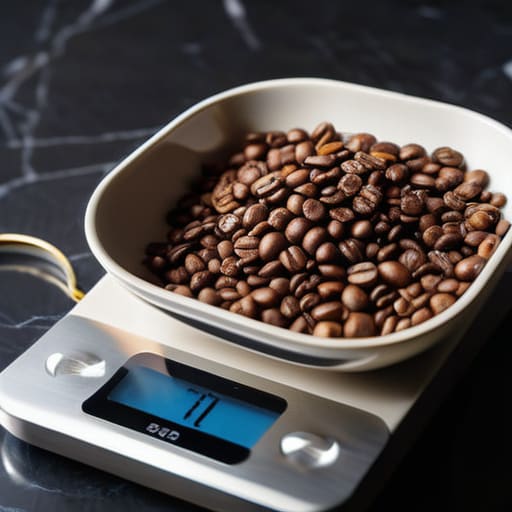
First, let’s talk about the math. Most people start with spoons, thinking a level tablespoon is a constant. It isn’t. One day you’re scooping dense, oily dark roasts; the next, you’re digging into airy, light-roasted Ethiopian beans. The volume looks the same, but the weight is totally different. This is the core of measuring by weight vs volume. If you want to replicate a cup you loved yesterday, you can’t rely on how much space the beans take up in a scoop. You need to know exactly how many grams are hitting the water.
Then there is the question of culinary consistency. I see people get obsessed with high-end coffee scales that sync to Bluetooth or have built-in timers, but for most of us, a standard digital kitchen scale is plenty. You don’t need a laboratory setup to get a good brew. You just need something that doesn’t drift when you tap it. If the number stays steady, the coffee stays steady. It’s less about being a scientist and more about just knowing what you’re doing before you start pouring.
Practical Tips and Steps
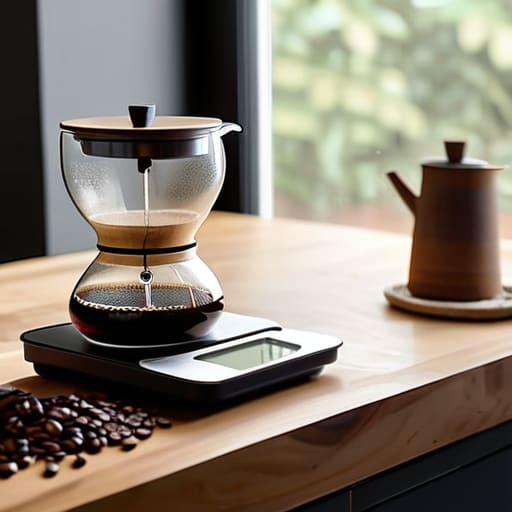
Start with your beans. If you aren’t using a scale yet, grab a cheap one. Don’t go for the fancy ones that sync with your phone; they just add another thing to charge. Just focus on measuring by weight vs volume. Using a spoon is a gamble. One day your scoop is full, the next it’s half-empty because the beans are a different roast size. Weight doesn’t care about bean density.
Next, stop worrying about the water. I know, it sounds crazy. But if you want to see a real difference in your morning cup, focus on the ratio of coffee to water. This is where you get that culinary consistency people talk about in professional kitchens. If you use 18 grams of coffee, aim for 300 grams of water.
If you’ve ever tried baking, you know the drill. Baking precision vs volume is the best way to think about it. In a kitchen, a cup of flour can weigh wildly different amounts depending on how much you pack it down. Coffee is the same. Get a scale, find your favorite ratio, and stick to it.
Common Mistakes to Avoid
The biggest mistake I see is people treating their scale like a decoration rather than a tool. They buy a fancy piece of gear, set it on the counter, and then go right back to using a plastic scoop. If you’re going to bother with the weight, you have to actually use it. I’ve seen people obsess over the grams of coffee but then just “eyeball” the water pour. That defeats the whole purpose. It’s like trying to achieve culinary consistency tips while driving with your eyes closed.
Another trap is getting caught up in the math of measuring by weight vs volume. I see beginners trying to convert grams to milliliters or using those little measuring spoons for everything. Don’t do that. Spoons are fine for flour in a cake, but coffee is finicky. If you want to stop the guesswork, stick to the weight of the beans and let the water do its thing. Most people overcomplicate the process by worrying about baking precision vs volume logic when they should just be focusing on the ratio in the cup.
Final Thoughts
At the end of the day, I’m not here to tell you that you need a $300 scale to enjoy a decent morning brew. If you’re happy using a scoop and your coffee tastes good, keep doing that. But if you’re chasing a specific flavor profile or trying to fix a sour shot, measuring by weight vs volume is the easiest lever you can pull. It’s not about being a scientist; it’s about knowing why your cup tasted great yesterday and terrible today.
I’ve seen people obsess over the most expensive gear, only to realize they were just making the same mistakes more precisely. If you want to improve, start with the basics of accurate ingredient measurement. It’s the same logic you’d use in baking precision vs volume—it’s the only way to ensure your results aren’t just a lucky accident. Buy a decent, cheap digital scale, stop guessing, and see what happens to your cup. Most of the time, the difference is immediately obvious.
The Bottom Line
Look, if you are just starting out, don’t let the gear rabbit hole swallow you. You don’t need a Bluetooth-enabled, waterproof, high-speed scale that costs more than my monthly grocery bill. What you actually need is consistency. Measuring your beans ensures you aren’t guessing how much caffeine is in your mug, and tracking your yield helps you figure out why your coffee suddenly tastes like battery acid or sour milk. Use a scale to find your baseline, but don’t let the numbers become more important than the liquid in the glass. If the scale says you’re perfect but the coffee tastes bitter, trust your tongue, not the display.
At the end of the day, we are all just people trying to make a decent cup of coffee in our own kitchens. Whether you use a precision scale or a dusty old kitchen balance, the goal remains the same: a better morning. Coffee is a hobby, not a math exam. Use the tools to learn the patterns, but once you know how your favorite beans behave, feel free to put the scale away and just enjoy the ritual. After all, the best cup of coffee is the one you actually enjoy drinking, not the one with the most perfect statistics.