I spent eight years behind a bar watching people pay five euros for a cup of coffee that tasted like stale cardboard. They didn’t know why. Usually, it was because they were looking at the “Best Before” date instead of understanding how to read a roast date on a bag. Most shops treat freshness like a vague suggestion, hiding the actual numbers in tiny print or, worse, not printing them at all. It’s a massive waste of good beans and even more of your hard-earned money.
I’m not here to sell you a subscription or a fancy new grinder. I just want to tell you what actually matters when you’re standing in the specialty aisle. I’ll show you which numbers to look for and, more importantly, how many days of degassing you actually need before the flavor stops being metallic and starts being actually good. If a specific date range didn’t make a difference in my morning V60, I’ll tell you straight. No hype, just the truth about what’s in your cup.
Understanding How to Read a Roast Date on a Bag
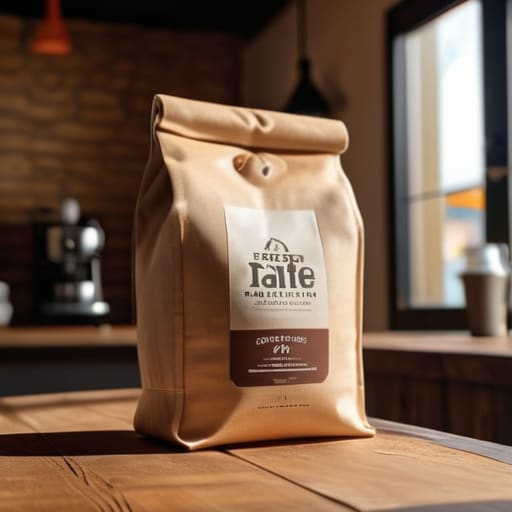
Look at the bag. Most specialty roasters print a single date, usually a few days after the roast. That’s your starting point. If you see a “Best Before” date instead, be careful. That’s usually a guess made by a factory, not a promise of quality. I always look for that specific roast day because it tells me exactly where the beans are in their degassing process.
When coffee is fresh, it’s literally off-gassing CO2. If you brew a bag the very same day it was roasted, the bubbles can actually block the water from getting into the grounds. It’s messy and tastes metallic. I usually wait about five to seven days. That is my personal sweet spot for flavor.
After that window, you enter the decline. Coffee bean oxidation is the silent killer; oxygen eventually turns those bright, floral notes into something that tastes like cardboard or old nuts. If the bag has been sitting in your cupboard for three months, don’t bother checking the date—just look for stale coffee signs like a lack of aroma when you open the seal.
Key Things to Know
First, you need to understand the degassing process explained in plain terms. When beans are roasted, they trap carbon dioxide inside. If you try to brew them the very next day, that gas escapes violently during extraction, creating bubbles that actually block water from hitting the grounds. It’s messy and usually tastes metallic or overly bubbly. For most light roasts, I wait at least five to seven days. That is usually the sweet spot where the flavors settle down.
Don’t panic if the bag is a month old, either. While coffee bean oxidation is a real thing—meaning the oils eventually go rancid and flat—it doesn’t happen overnight. I’ve brewed beans that were six weeks old and they still held their shape, provided the seal was tight. The real stale coffee signs appear when the aroma disappears entirely. If you open the bag and it smells like nothing, or maybe just like old paper, stop wasting your expensive water. Just toss them.
Practical Tips and Steps
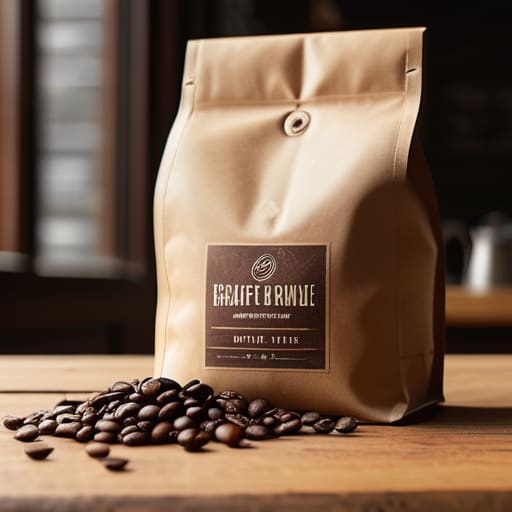
Don’t just look at the date and walk away. Actually use it. When I pull a bag from the shelf, I’m looking for that sweet spot. If the beans were roasted yesterday, they’ll likely taste metallic or overly fizzy because of the degassing process explained in most manuals—basically, too much CO2 is still escaping. I usually wait at least five to seven days after the roast date before I even think about my kettle. That is when the flavors actually start to settle into something drinkable.
If you see a bag that’s been sitting on a shelf for three months, be careful. Coffee bean oxidation is a silent killer. It doesn’t always smell “bad” like old milk, but the brightness just vanishes. You’ll notice the cup tastes flat, dusty, or like cardboard. Those are the classic stale coffee signs I look for. If the roast date is old, don’t bother with your expensive single-origin beans; save them for a bag that actually has some life left in it.
Common Mistakes to Avoid
Don’t go buying a bag just because the date is “recent.” I see people rush to buy beans roasted yesterday, thinking they’ve hit the jackpot. They haven’t. If you brew immediately, you’re fighting the degassing process explained on most specialty sites—too much CO2 means your water can’t actually touch the grounds. It’s like trying to soak a sponge that’s still full of air bubbles. Wait a few days. Let the gas escape so the flavor can actually show up.
Another mistake is assuming a “best by” date is a guarantee of quality. That’s not how it works. That date is usually just a suggestion for when the beans might start to taste like cardboard. Instead, look for the stale coffee signs in the cup itself: a lack of aroma, a flat mouthfeel, or a weirdly bitter aftertaste. If the bag has been sitting open on your counter for a week, the coffee bean oxidation is already winning. Don’t trust the printed date more than you trust your own tongue.
Final Thoughts
At the end of the day, don’t let the numbers on the bag stress you out too much. I’ve seen expensive beans go flat because they sat in a pantry for a month, and I’ve seen cheap supermarket stuff taste fine just because it was sealed tight. The goal isn’t to be a scientist; it’s to find that sweet spot where the flavor actually makes sense. Every bag has its own unique coffee freshness window, so use your senses. If it smells like nothing or, worse, like old cardboard, you’re looking at stale coffee signs that no amount of fancy brewing can fix.
I usually wait about a week after the roast date before I even touch my grinder. That gives the degassing process enough time to settle so the bubbles don’t ruin my extraction. Once that happens, the coffee usually hits its stride. If you find a bag that tastes amazing, write down the date. It helps you figure out the best time to brew that specific roast next time. Keep it simple. Just drink good coffee.
The Bottom Line
At the end of the day, reading a roast date isn’t about memorizing a complex timeline or becoming a certified technician. It’s about knowing whether those beans are going to taste like bright, vibrant fruit or just flat, woody ash. I’ve seen people spend hundreds on high-end grinders only to brew beans that were sitting in a warehouse for six months. Don’t let that be you. Check the date, look for that sweet spot between seven and twenty-one days, and remember that freshness is your most important ingredient, regardless of how much you spent on your kettle.
Don’t let the obsession with dates turn your morning ritual into a stressful math problem. I’ve brewed coffee that was slightly past its prime and still loved it, and I’ve brewed “perfect” roast-date coffee that tasted like nothing because the beans were poorly stored. The goal isn’t to follow a rulebook; it’s to find what makes you want to take a second sip. Stop worrying about the perfection of the label and just start brewing. If the cup tastes good, you’ve already won the game.