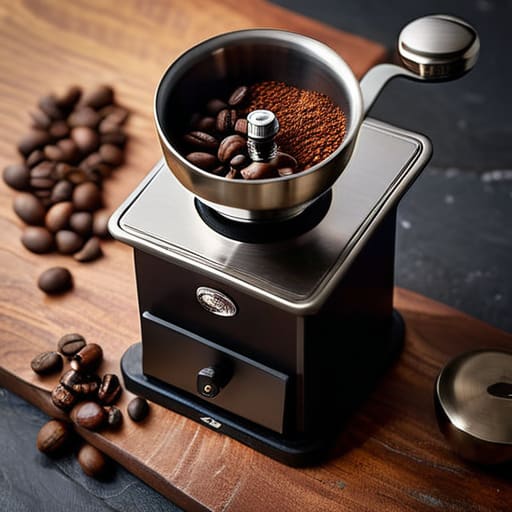
My kitchen counter is a graveyard of expensive gadgets. Last Tuesday, I sat there staring at my high-end electric grinder and my trusty, dented hand grinder, wondering why I felt the need to own both. People love to argue about whether you need a motor or a bit of elbow grease when choosing a hand grinder and electric grinder for a single cup. Some say the electric one is a luxury, others claim the hand grinder is the only way to feel the soul of the bean. I’ve spent enough mornings grinding by hand while my coffee went cold to know that the debate isn’t as simple as the marketing brochures suggest.
I’m not here to sell you on a specific brand or a lifestyle. I’m going to tell you what actually happened when I brewed the same Ethiopian Yirgacheffe using both methods back-to-back. If the electric grinder didn’t actually make the cup taste better, I’ll tell you it’s a waste of counter space. I only care about what shows up in the cup. No hype, no gear worship—just the truth about your morning ritual.
The Hand Grinder
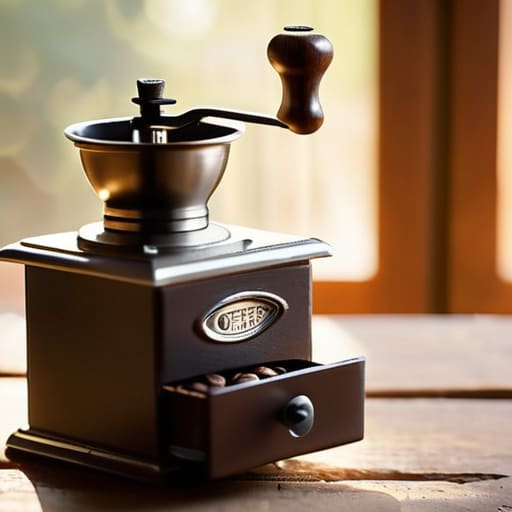
A hand grinder is a manual tool that uses a hand-cranked mechanism to drive steel or ceramic burrs through coffee beans. Its main selling point is extreme portability and precision without needing a single power outlet. Because you control the speed and the physical force, these devices are often built to last a lifetime.
I spent years behind a bar where everything was loud and electric, so I actually enjoy the ritual of a manual grind. There is something grounding about the physical resistance of the beans under the burrs. However, the real reason it matters is the control over freshness. When you are only making one cup, you aren’t wasting electricity or dealing with the residual grounds left in a large hopper. It is just you, the beans, and a quiet kitchen before the rest of the world wakes up.
The Electric Grinder
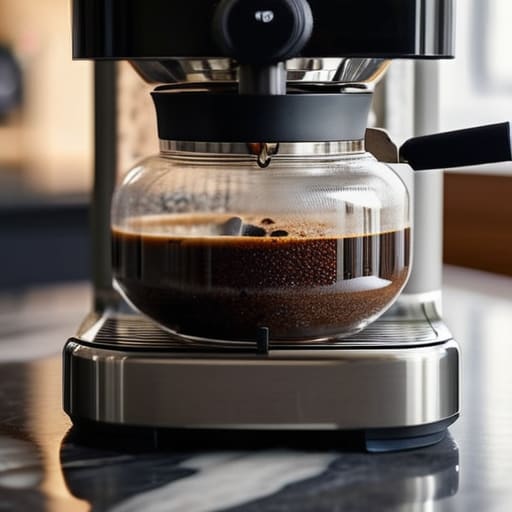
An electric grinder uses a motorized drive to spin burrs at high speeds, automating the entire grinding process. The core advantage is unmatched convenience and speed, allowing you to go from whole bean to brewed coffee in seconds. Most modern models are designed to minimize user effort while maintaining a consistent particle size.
In my experience, the electric option is the ultimate cure for morning friction. We have all had those days where the thought of cranking a handle for two minutes feels like a marathon. If you value your time and want to hit a button and walk away to toast some bread, this is your tool. I’ve found that for a single cup, the right electric model removes the “work” from the ritual, leaving you with nothing to do but focus on the pour.
Comparison of Single-Cup Coffee Grinders
| Feature | Hand Grinder | Electric Grinder |
|---|---|---|
| Portability | High (Travel-friendly) | Low (Requires outlet) |
| Noise Level | Low (Quiet operation) | High (Audible motor) |
| Price Point | Lower (Budget-friendly) | Higher (Premium cost) |
| Workflow Speed | Slow (Manual effort) | Fast (One-touch) |
| Grind Consistency | High (Precision control) | Variable (Motor dependent) |
| Best For | Travelers & Minimalists | Convenience & Speed |
Understanding Hand Grinder and Electric Grinder for a Single Cup
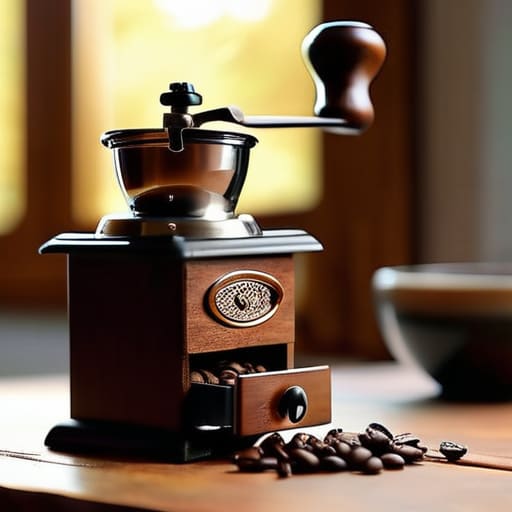
When you’re only brewing one cup, every second and every gram counts. You aren’t making a carafe for a brunch crowd; you’re making a moment for yourself. The friction here isn’t just about the beans—it’s about whether the process of grinding ruins your morning mood before you even take a sip.
With a hand grinder, you are the motor. It’s tactile and quiet, but it requires a bit of elbow grease. If you’re tired or in a rush, that thirty-second grind can feel like a workout. On the other hand, an electric grinder is pure convenience. You hit a button, walk away to grab your kettle, and it’s done. However, most electric grinders are designed for volume. When you’re only doing a single dose, you often end up with “retention”—leftover grounds stuck in the chute that mess up your recipe.
For the single-cup ritual, the hand grinder wins. It handles small doses with zero waste and much higher precision. Unless you hate moving your arms, the consistency you get for one cup is worth the effort.
Key Things to Know
You can own the most expensive burrs in the world, but if you don’t understand the daily reality of your workflow, you’re just making a mess. When you’re only brewing one cup, the “key things” aren’t about technical specs on a box. It’s about how much friction you’re willing to tolerate before you decide that coffee just isn’t worth the effort today.
With an electric grinder, the main thing to know is consistency versus noise. You press a button, and thirty seconds later, you’re ready to brew. It’s mindless. But you also have to deal with retention—those tiny coffee grounds hiding in the chute that mess up your next dose. It’s efficient, but it feels a bit detached from the process.
Hand grinding is a different beast. You need to know your physical limits. If you’re grinding a light roast—which is much harder to break down—that two-minute task can feel like a workout. However, you have total control over every single rotation. There is zero retention. What goes in is exactly what comes out.
For a single cup, the hand grinder wins. It’s cleaner, more precise, and much easier on my kitchen counter.
Practical Tips and Steps
If you don’t get the workflow right, you’re just making expensive mud. It doesn’t matter how much you paid for the burrs if the actual process of preparing the coffee feels like a chore. A bad routine is the fastest way to stop enjoying your morning brew.
Using the electric grinder is almost too easy. You dump the beans in, hit a button, and walk away to toast some bread. It’s efficient, but you have to watch out for retention. If your grinder holds onto old grounds, your fresh cup will taste like last week’s stale mess. I usually have to give the hopper a little tap to make sure everything clears out.
The hand grinder requires a different kind of discipline. You can’t just multitask; you have to stay there and crank. It’s a rhythmic, tactile process that forces you to pay attention to the grind size. If you’re feeling lazy, it’s a nightmare. But if you actually enjoy the ritual, it feels more intentional than just pushing a button.
For pure convenience and speed, the electric grinder wins hands down.
The Final Verdict
So, where does that leave us? If you are only brewing one cup before heading out the door, the electric grinder is a massive convenience that wins on speed alone. But if you actually care about the precision of your grind and don’t mind the arm workout, a high-quality hand grinder often produces a cleaner cup for a fraction of the price. I spent most of my morning testing both, and while the electric setup felt more seamless, the hand grinder gave me a sense of control that is hard to replicate when you are in a rush. Ultimately, the choice comes down to whether you value time or tactile precision more during your morning ritual.
At the end of the day, don’t get lost in the specs or the price tags. I have seen people spend a thousand euros on a grinder only to use stale beans and tap water, and frankly, it’s a waste of a good morning. Whether you are cranking a manual burr set or hitting a button on a sleek machine, the goal remains the same: a cup that actually tastes good. Stop worrying about the perfect gear and just start brewing. The best equipment in the world won’t matter if you aren’t actually enjoying the coffee.