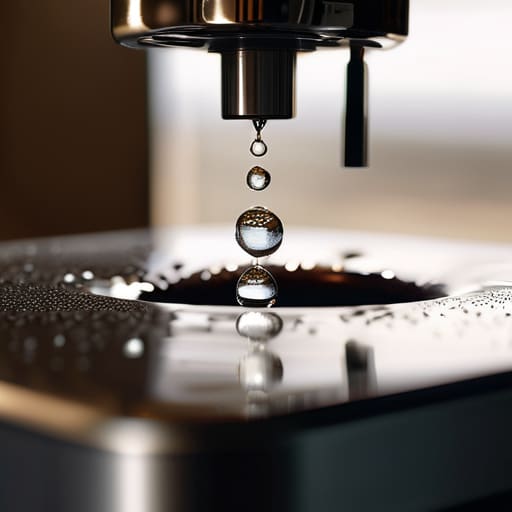
I spent eight years behind a bar listening to salespeople claim that certain “pro-grade” descaling solutions are the only way to save your machine. It’s mostly nonsense. Most people treat descaling and how often it is needed like some sacred, complex ritual that requires a chemistry degree and a hundred-euro bottle of liquid. In reality, I’ve seen people scrub their machines every week only to find the coffee tastes exactly the same, while others let the scale build up for months and barely notice a change in their morning extraction.
I’m not here to sell you on a specific brand or a complicated schedule that eats up your Sunday morning. I’m going to tell you what actually happens when you stop ignoring the mineral buildup and when it’s actually worth your time. I’ve tested the expensive kits against the cheap stuff, and I’ve tracked how much a clogged group head actually messes with your flavor profile. This isn’t about following a manual to the letter; it’s about knowing when a clean machine actually makes your coffee taste better.
Understanding Descaling and How Often It Is Needed
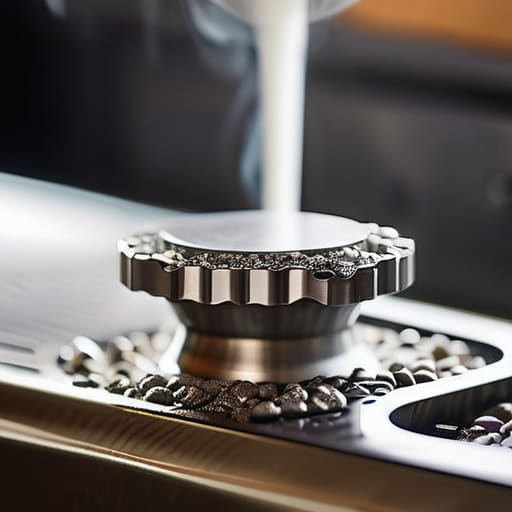
Here is the reality: water is basically a soup of minerals. Depending on where you live, your tap water is either soft or loaded with calcium and magnesium. That water hardness impact on appliances is what causes the white, crusty stuff to cling to your heating elements. It isn’t just an aesthetic problem; it’s a thermal one. When scale builds up, your machine can’t regulate temperature properly. You think you’re pulling a perfect shot, but the water is actually fluctuating wildly.
I used to think you only needed to clean the machine when it started making weird, wheezing noises. That’s a mistake. By the time you see those signs your kettle needs descaling, the damage is already done. Most people wait too long. I usually aim for once every two or three months, but it really depends on how much coffee I’m actually drinking. If you’re pulling five shots a day, you’re moving more water through those pipes, which means more mineral deposits left behind. It’s a math problem, really.
Key Things to Know
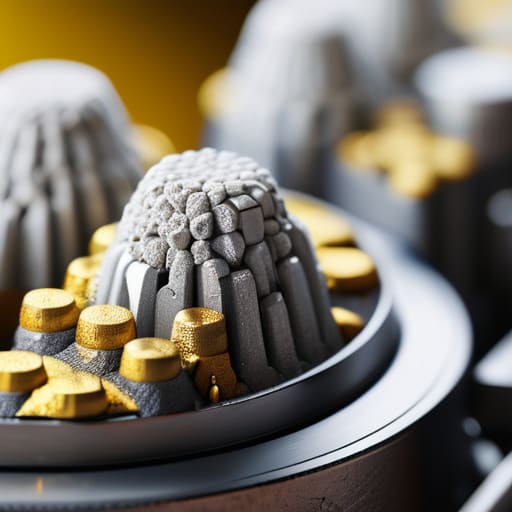
First, let’s talk about the chemistry. Most people ignore the water hardness impact on appliances until their machine starts making sounds like a dying radiator. If you live in a city with hard water, those minerals aren’t just sitting there; they are actively building a stone fortress inside your heating element. I’ve seen it happen in less than a month with some of my old espresso machines.
When it comes to the actual cleaning, you’ll face a choice: descaling solution vs vinegar. My advice? Skip the vinegar. It smells like a cheap salad dressing and can actually be quite aggressive on certain rubber seals. A dedicated citric acid-based solution is much gentler on the internals. It’s less about a deep clean and more about limescale buildup prevention to keep the temperature stable.
Finally, watch for the red flags. If your kettle is whistling louder than usual or your espresso shots are coming out lukewarm, those are the clearest signs your kettle needs descaling. If the heat isn’t consistent, your extraction will be a mess, no matter how expensive your beans are.
Practical Tips and Steps
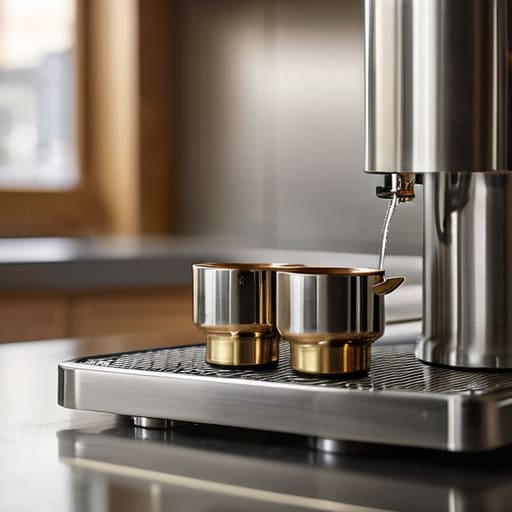
First, don’t go reaching for the white vinegar in your pantry. I tried that once with my old espresso machine, and the smell stayed in the group head for a week. It’s better to use a proper descaling solution designed for coffee gear. It’s more expensive, sure, but it’s much gentler on the internal seals. If you’re using a machine with a dedicated water tank, just follow the manual’s cycle. It usually involves running a few tanks of the solution through, followed by a very thorough rinse with fresh water.
If you want to actually spend less time cleaning, focus on limescale buildup prevention. I’ve started using a small inline water filter on my setup. It doesn’t make the water taste like nothing, but it stops the heavy minerals from turning into white crust inside the boiler. If you notice your machine taking longer to heat up or your shots are coming out strangely bitter, those are the classic signs your kettle needs descaling or your machine needs a deep clean. It’s a chore, but it keeps the machine alive.
Common Mistakes to Avoid
The biggest mistake I see is the “vinegar debate.” People swear by it because it’s cheap and smells like a salad dressing factory. But honestly? Unless you enjoy your espresso with a side of acetic acid, stop. Vinegar is harsh on the internal seals and can leave a lingering funk that no amount of rinsing will fix. Stick to a proper descaling solution vs vinegar comparison and choose the professional stuff. It’s designed for the chemistry of your machine, not your kitchen pantry.
Another trap is waiting for the machine to actually die before you act. I used to ignore the signs your kettle needs descaling—that weird, slow heating or the muffled gurgle—until it was too late. If you only clean when the machine struggles, you aren’t preventing damage; you’re just performing surgery.
Finally, don’t skip the rinse. I’ve seen people run a descaling cycle and then immediately pull a shot. That’s a one-way ticket to a metallic, sour mess. If you want to focus on extending appliance lifespan, you have to be patient with the water cycles.
Final Thoughts
Look, I’m not going to tell you that a clean machine is the secret to a God-shot. If your beans are stale, no amount of scrubbing will save you. But I will say this: I’ve noticed that when I neglect the maintenance, my shots start tasting hollow. It’s subtle. You don’t notice it until you finally run a cleaning cycle and realize the clarity has returned.
If you want to stop worrying about it, focus on limescale buildup prevention rather than playing catch-up. Using a filtered pitcher or a dedicated water softener makes a massive difference in how often you actually have to pull the machine apart. It’s much easier to manage water hardness from the start than to try and scrape calcified junk out of a heating element later.
At the end of the day, it’s about consistency. Whether you use a commercial powder or a simple descaling solution vs vinegar debate, just pick a method and stick to a schedule. Don’t wait for the machine to scream at you. Just keep the water moving, keep the parts clean, and get back to the coffee.
The Bottom Line
At the end of the day, descaling isn’t some mystical ritual to satisfy a machine manual. It’s just basic maintenance, like cleaning your own dishes. I’ve learned that while a massive buildup of limescale can definitely kill your temperature stability and clog your valves, a single descaling session isn’t a magic wand. If your shots were tasting muddy or your machine was struggling to reach pressure, cleaning it might bring that clarity back to your cup. But if you’re looking for a massive flavor explosion just because you finally ran some citric acid through the boiler, you’re probably going to be disappointed. It’s about preventing the decline, not chasing a new high.
Don’t let the technical side of coffee gear intimidate you or turn your morning ritual into a chore. We spend so much time obsessing over the exact micron of a grinder setting or the specific origin of a bean, but sometimes the most important variable is just having a clean machine. My advice? Keep a schedule, don’t overthink the chemistry, and just listen to your equipment. If the water isn’t flowing like it used to, it’s time to clean. Everything else is just noise. Now, go brew something good.