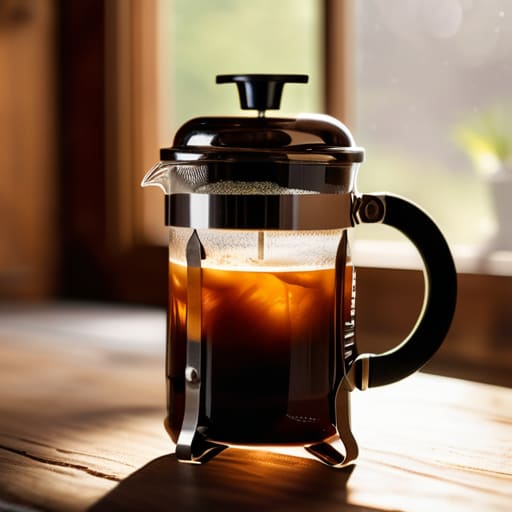
I spent three years as a head barista watching people buy $200 stainless steel brewers, thinking a higher price tag would magically solve the french press and the sludge problem. It’s a lie. I’ve seen it in high-end cafes and I see it in my own kitchen every Tuesday. You can buy the most expensive, heavy-duty plunger on the market, but if you don’t understand how the grounds actually behave in the water, you’re just paying for a very expensive paperweight that still leaves grit at the bottom of your cup.
I’m not here to sell you a new gadget or a complex ritual involving timers and temperature probes. I’ve spent the last week testing three different ways to clean up my morning brew, from grind size adjustments to a specific pouring technique I learned in Budapest. I’ll tell you exactly which changes actually cleared the silt and which ones were a total waste of time. If a piece of gear didn’t change the texture of my coffee, I’m telling you straight. No hype, just what actually works in a real kitchen.
Understanding the French Press and the Sludge Problem
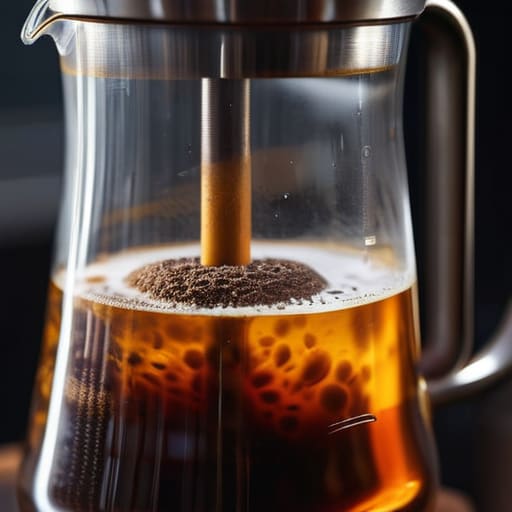
The physics of a French press are simple, which is usually why people love it. You steep grounds in hot water, then push a metal mesh screen down to separate the liquid from the solids. The problem is that the mesh is basically a sieve with massive holes. It’s designed to let oils through for that heavy mouthfeel we crave, but it’s terrible at removing coffee grounds from brew. You end up with a cup that feels velvety one second and then hits you with a mouthful of silt the next.
Most people blame their technique, but it’s often just a misunderstanding of the mechanics. I’ve seen plenty of french press brewing mistakes where people try to compensate for a weak cup by grinding finer. That’s a trap. When you move away from a proper coarse grind size for french press, you aren’t just getting more flavor; you’re just creating more dust that bypasses the filter entirely. You end up with a muddy mess that tastes bitter and feels like drinking sand. It’s not about the gear; it’s about knowing what that screen can actually handle.
Key Things to Know
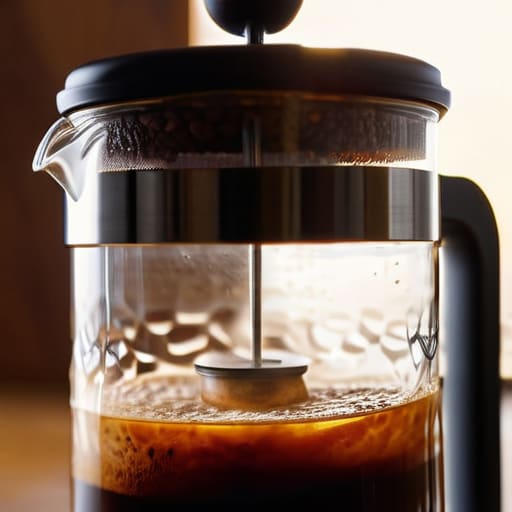
First, let’s talk about the grind. Most people treat their grinder like a set of dials that don’t matter, but it’s everything. If you aren’t using a coarse grind size for french press, you’re essentially asking for trouble. When the particles are too small, they slip right through that metal mesh like they own the place. I’ve spent many mornings staring at a cup of silt because I was too lazy to adjust my settings.
Then there is the matter of timing. I used to rush the pour, thinking more agitation meant more flavor. That was a mistake. Agitation is just a fancy way of saying you’re stirring up the fine vs coarse coffee sediment and ensuring it stays suspended in your drink. If you stir like a madman, you aren’t brewing; you’re just making mud.
Finally, remember that the plunger isn’t a magic wand. Even with the perfect grind, some fines will always escape. It’s part of the physics. Instead of fighting it with expensive gear, try improving french press clarity by letting the brew sit undisturbed for a few minutes after the timer hits zero. Let the heavy stuff settle to the bottom before you even think about pressing.
Practical Tips and Steps
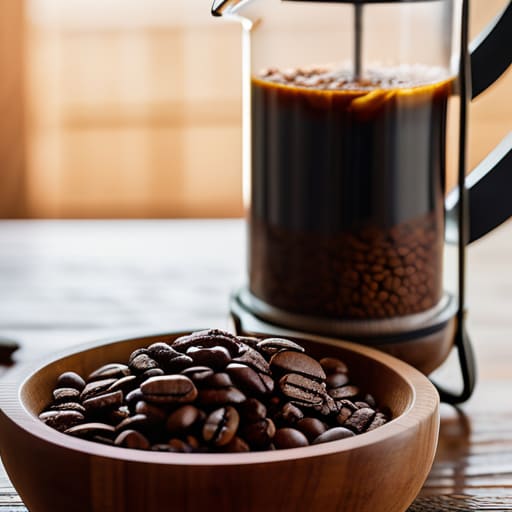
First, stop using the pre-ground stuff from the supermarket. It’s too fine. You need a coarse grind size for french press—think the texture of sea salt or kosher salt. If your coffee looks like a muddy pond, your grinder is likely producing too many “fines,” those tiny dust-like particles that slip right through the mesh. I spent a week recalibrating my old hand grinder just to see if it made a difference. It did.
Next, watch your pour. Most people stir like they’re whisking eggs, which just kicks up all the silt. Instead, try a gentle stir once the water hits the grounds, then let it sit. If you want to get serious about improving french press clarity, try the “Hoffmann method” logic: let it sit for ten minutes, break the crust with a spoon, and scoop off the floating foam and bits before you even touch the plunger. It’s a bit more work, but it keeps the grit at the bottom where it belongs.
Common Mistakes to Avoid
The biggest mistake I see is people treating their grinder like it’s a magic wand. I’ve watched too many people use a standard setting and wonder why their drink feels like liquid sand. If you aren’t using a proper coarse grind size for french press, you’re basically asking for trouble. When the particles are too small, they bypass the mesh screen entirely. You can have the most expensive beans in Budapest, but if your grind is too fine, you’re just drinking expensive mud.
Another trap is the “impatient pour.” I used to rush the plunge because I wanted my caffeine fix immediately. If you push the filter down too fast, you create turbulence that kicks up all that settled dust. You end up disturbing the sediment right at the end, which ruins any progress you made. It’s a simple mechanical error, but it’s the fastest way to turn a decent brew into a gritty mess. Stop rushing the ritual. Just let the grounds settle.
Final Thoughts
At the end of the day, I’m not looking for a laboratory-perfect extraction. I just want a cup that doesn’t feel like I’m drinking a handful of sand. Most of the time, the solution isn’t a new gadget; it’s just paying attention to your coarse grind size for french press and being patient during the plunge. If you rush the process or use a grinder that turns your beans into dust, you’re going to lose that battle every single time.
I’ve spent way too much money on fancy metal mesh filters thinking they were the magic fix. Honestly? Most of them are just expensive ways to make a mess. The real trick to improving french press clarity is simply managing your expectations and your technique. Don’t be afraid to let the brew sit for a minute before you even touch the plunger. It’s about the ritual, sure, but it’s also about not having to scrape grit off your teeth for the rest of the morning. Keep it simple. Just brew the damn coffee.
The Bottom Line
At the end of the day, fighting sludge isn’t about buying a more expensive carafe or a fancy new plunger. It comes down to the basics: a coarser grind, a bit more patience during the steep, and knowing when to stop pouring before the sediment follows you into the mug. I’ve tried the high-end gear and the expensive filters, but most of the time, the solution was just adjusting my grind size by a single notch. If your cup feels like it’s full of sand, don’t blame the brewer. Go back to the beans and the timing. That is where the real control lives.
Don’t let a little bit of grit ruin the ritual for you. The French press is a beautiful, heavy, tactile way to start a morning, and it deserves more respect than being tossed aside just because it isn’t “perfectly clean” like a pour-over. Coffee is meant to be enjoyed, not just analyzed under a microscope. If you can manage the sludge, you get to keep that deep, heavy body that makes this method so special. Just embrace the mess a little bit, find your rhythm, and actually enjoy the drink while it’s hot.