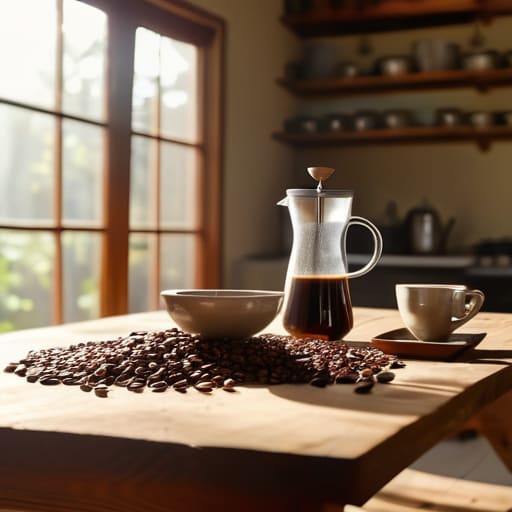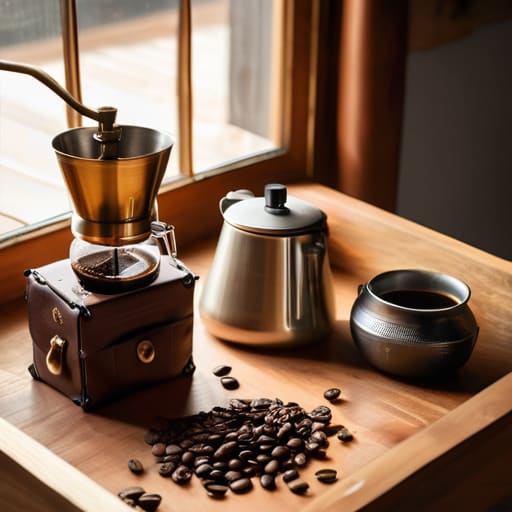
I once spent forty minutes in a cramped hotel bathroom in Prague, frantically trying to avoid breaking a ceramic dripper while my luggage sat abandoned in the hallway. It was a ridiculous scene. People online make travelling with coffee gear sound like a seamless, zen-like ritual of portable perfection, but the reality is usually just a heavy backpack and the constant fear of something shattering. You don’t need a $400 titanium kit to get a decent cup in a rental apartment; you just need to know what actually survives the flight.
I’m not here to sell you on more expensive gadgets that add weight without adding flavor. I’ve spent years lugging various setups through airports and train stations, and I’ve learned exactly which pieces are worth the space and which ones are just dead weight. In this post, I’ll tell you what I actually packed on my last three trips and, more importantly, which gear actually made a difference in the final brew. If a piece of kit didn’t improve my morning, I’m telling you to leave it at home.
Understanding Travelling With Coffee Gear
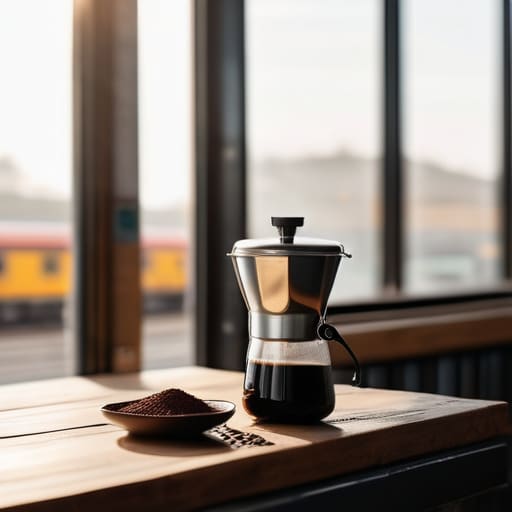
Most people think traveling with coffee gear means bringing your entire kitchen in a suitcase. That’s a quick way to end up with a broken scale and a very expensive headache. For me, it’s about finding the balance between a decent cup and not feeling like a pack mule. You have to decide what you actually miss when you’re away. Is it the ritual of a pour-over, or do you just need a caffeine hit before the train leaves?
I usually focus on compact coffee brewing methods that don’t take up half my carry-on. If I’m staying in a place with decent water, I might bring a small AeroPress. If I’m feeling more adventurous, I look into the best portable espresso makers that can handle a bit of pressure without needing a power outlet. The goal isn’t to recreate my home setup; it’s to avoid the burnt, watery sludge that comes from hotel room machines. It’s about choosing gear that survives a bumpy bus ride and still produces something drinkable.
Key Things to Know
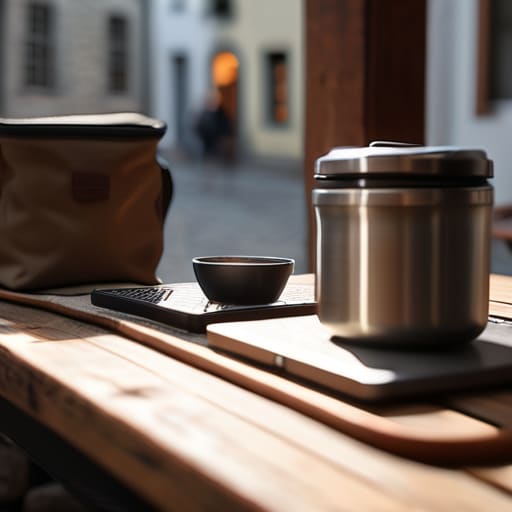
First, forget the idea of bringing your whole kitchen. You aren’t moving house; you’re just trying to avoid terrible hotel coffee. Focus on your travel coffee kit essentials instead. I usually stick to a small scale, a reliable timer, and a single pour-over dripper. If it doesn’t fit in a side pocket of my backpack, it stays home. Weight adds up fast, and your back will hate you by day three.
Second, let’s talk about the gear that actually matters. If you’re chasing real pressure, look into the best portable espresso makers on the market, but be warned: they are finicky. For most people, I suggest investing in high-quality manual coffee grinders for travel. They are much more durable than electric ones and won’t die if you drop them on a cobblestone street in Prague. Just make sure you have a way of protecting coffee equipment in luggage—a bit of foam or even a thick sweater works better than those expensive hard cases that take up half your bag.
Practical Tips and Steps
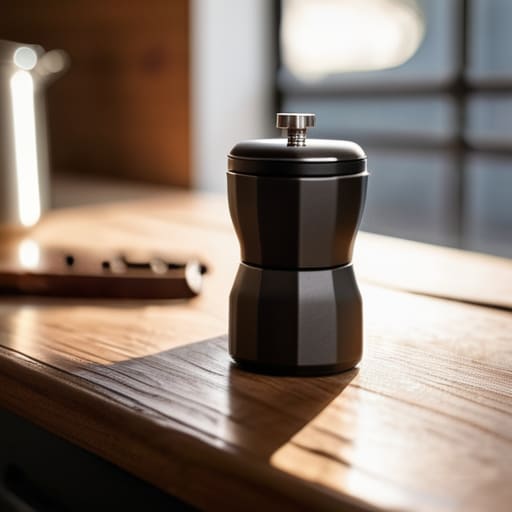
First, don’t be a hero. I once tried to pack a full-sized pour-over dripper and a ceramic mug in my carry-on. It was a disaster. Instead, focus on manual coffee grinders for travel. They are smaller, more rugged, and they don’t care if a baggage handler tosses your bag around. I always pack my hand grinder in a hard-shell case—if you don’t protect it, the burrs might survive, but the adjustment mechanism won’t.
When it comes to the actual brew, I stick to compact coffee brewing methods that don’t require a power outlet. I’ve tested several of the best portable espresso makers, and while some feel like toys, a few actually deliver a decent shot. My rule of thumb: if it can’t survive a drop from a kitchen counter, it shouldn’t be in your suitcase.
Finally, keep your beans in a small, airtight tin. Don’t use the bag they came in; it’s too bulky and lets the air in. If you’re serious about coffee brewing on the go, your travel coffee kit essentials should be lightweight, durable, and, most importantly, capable of making a cup that doesn’t taste like regret.
Common Mistakes to Avoid
The biggest mistake I see is the “all-in” approach. People try to pack their entire home setup into a suitcase, thinking they need every gadget to maintain quality. Last year, I tried to bring my electric kettle and a full scale on a train through Italy. It was a nightmare. You end up fighting with your luggage instead of enjoying the trip. Stick to compact coffee brewing methods that actually fit in a side pocket. If it takes more than five minutes to unpack, you won’t use it.
Another blunder is neglecting how you pack your tools. I’ve seen people toss a high-end manual grinder into a backpack without any padding. One heavy bump against a suitcase corner and your burrs are misaligned. When it comes to protecting coffee equipment in luggage, treat your gear like it’s made of glass. Use your soft items—like sweaters or even your coffee bean bags—to buffer the hard edges. It’s not about being precious; it’s about making sure your morning cup doesn’t taste like metal shavings because of a bumpy flight.
Final Thoughts
At the end of the day, your travel coffee kit essentials shouldn’t be a burden. I’ve spent too many mornings wrestling with a heavy kit in a cramped hostel kitchen just to avoid a mediocre hotel brew. If you find yourself spending more time organizing your bag than actually drinking the coffee, you’ve gone too far. I’ve learned that simplicity usually wins. You don’t need every gadget you own; you just need the ones that actually make the cup better.
I used to think I needed the best portable espresso makers to survive a trip, but lately, I’ve found that a solid pair of manual coffee grinders for travel and a simple pour-over setup do the job just fine. It’s about finding that sweet spot between convenience and quality. If you can’t brew a decent cup without a degree in engineering, it’s probably not worth the extra weight in your suitcase. Focus on the beans and the grind, and let the rest of the gear be secondary. If the coffee tastes good, the setup was a success.
The Bottom Line
At the end of the day, traveling with coffee gear is a trade-off between convenience and quality. You can settle for the hotel’s burnt instant packets, or you can pack your manual grinder, a small scale, and your favorite beans. I’ve learned that the most important thing isn’t the price tag on your gear, but how well you manage your expectations and your luggage weight. Avoid the heavy electric brewers if you can; stick to the manual tools that do the job without the bulk. If you pack smart, avoid the common pitfalls of spilling beans in your suitcase, and prioritize the gear that actually affects the flavor, you won’t end up drinking bad coffee just because you’re in a different zip code.
Don’t let the fear of a messy bag stop you from bringing your ritual along. I once spent an entire trip in Italy lugging a heavy kit, only to realize my simple hand grinder and a clever pour-over dripper were all I truly needed to find peace in the morning. Coffee isn’t about the fancy machines you own, but about that first quiet moment with a decent cup. Whether you’re in a mountain hut or a high-end hotel, just focus on the taste. If the brew is good, the gear was worth the space in your backpack.