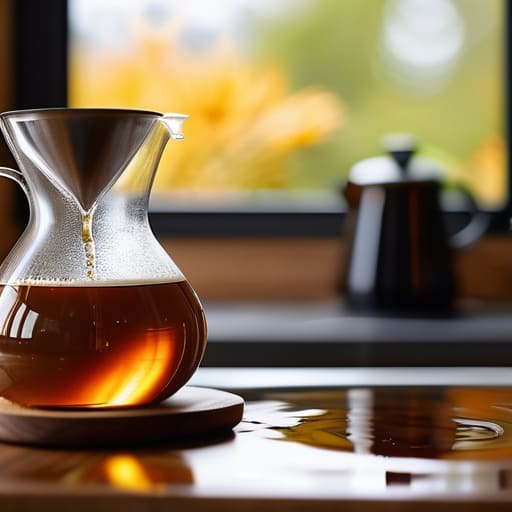
I spent eight years behind a bar watching people treat coffee like a chemistry exam. They’d pull out digital scales, notebooks, and calculators, sweating over every single gram as if the universe would collapse if they missed a decimal point. It’s exhausting. Most of those people aren’t actually tasting the coffee; they’re just chasing a spreadsheet. I’m tired of seeing gear worship replace actual flavor. That’s why I wanted to try something different: brew ratio explained without the maths. You don’t need a degree in mathematics to know if your coffee is too weak or too intense.
I’m not here to give you a lecture or a complex formula to memorize. I’m just going to tell you what happens to the liquid in your mug when you change the balance. I’ll tell you when a shift in the ratio actually makes a difference and when you’re just wasting your time and your beans. My goal is simple: to help you find your own “sweet spot” through your taste buds, not a calculator. Let’s stop overcomplicating things and just start drinking better coffee.
I Stopped Chasing Decimals and Finally Started Tasting the Coffee
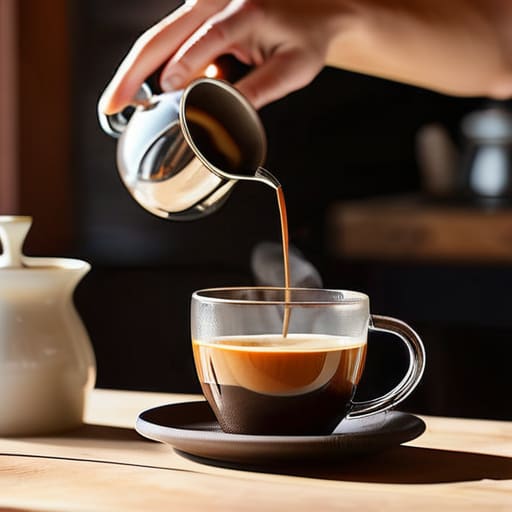
I spent three years in a high-volume cafe obsessed with the numbers. I thought if I hit exactly 1:16.5, I was a god. In reality, I was just a guy staring at a digital screen while my coffee went cold. I realized that most of those tiny adjustments were just noise. I started focusing on improving coffee flavor balance by ear instead of by math. If the cup felt thin, I used less water. If it felt heavy and muddy, I added a bit more.
It’s more about developing a bit of coffee to water ratio intuition than following a recipe. You eventually learn the difference between coffee strength vs concentration just by how the liquid coats your tongue. Does it feel intense but watery, or heavy but dull? Once you stop obsessing over the decimals, you actually start noticing the fruit notes you were too busy calculating to enjoy. It’s much more relaxing this way.
Brew Ratio Explained Without the Maths a Visual Coffee Brewing Guide
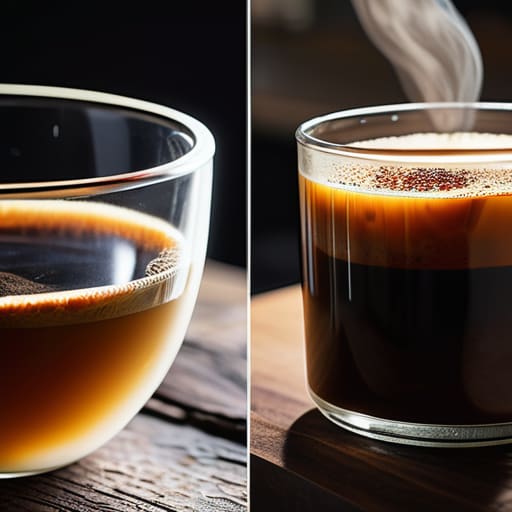
Forget the spreadsheets. If you want to understand the relationship between your beans and your water, stop thinking about percentages and start thinking about volume and space. Imagine your coffee grounds sitting in your brewer. If you pour just enough water to barely cover them, you’re making something thick, heavy, and intense. That’s your high-strength shot. If you keep pouring until the vessel is nearly full, you’re diluting those flavors out. This is the simplest way to grasp coffee strength vs concentration without needing a calculator.
Think of it like making tea. A little bit of tea leaves in a tiny cup is a punch to the face; a whole bag in a liter of water is just tinted water. This is my unofficial visual coffee brewing guide: use less water for a heavy, syrupy mouthfeel, and more water if you want to pull out those delicate, floral notes that get lost when the brew is too dense. It’s about finding that sweet spot where the coffee feels “right” on your tongue, not where the math says it should be.
The Truth About Coffee Strength vs Concentration in My Cup
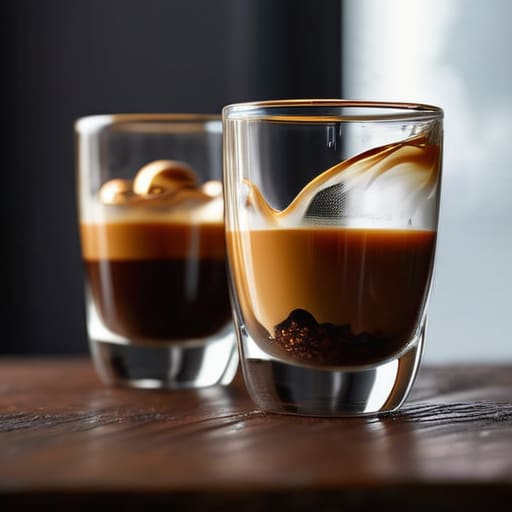
People get these two mixed up all the time, and it’s usually why they get frustrated when a recipe “fails.” Here is the reality: strength is about how much coffee you actually have in the cup, while concentration is about how much stuff is dissolved in the liquid. I once spent a week using a fancy precision scale to hit a specific ratio, thinking I was making “stronger” coffee. Turns out, I was just making a smaller amount of liquid. The coffee felt intense, but it was actually just concentrated.
If you want to practice adjusting coffee taste without scales, you have to learn to feel the difference. When I want a punchier cup, I don’t just add more beans; I look at how much water I’m letting pass through the grounds. If the cup feels thin or watery, your concentration is too low. If it feels heavy and syrupy but you’re still getting that caffeine kick, you’ve nailed the balance. It’s less about math and more about improving coffee flavor balance through your own palate.
Developing Coffee to Water Ratio Intuition Through Real Morning Brews
Last Tuesday, I decided to stop looking at my scale entirely. I had a bag of Ethiopian beans that was tasting a bit thin, almost like tea. Instead of recalculating a decimal point, I just looked at the volume in my brewer. I added a splash more water, pouring a bit slower this time. It wasn’t about precision; it was about developing coffee to water ratio intuition by watching how the grounds reacted.
The next morning, I went the other way. The brew felt too heavy, coating my tongue in a way that felt more like sludge than coffee. I didn’t reach for a calculator. I just used a slightly larger scoop of beans and a bit more water. This is the real secret to improving coffee flavor balance at home. You stop treating it like a chemistry lab and start treating it like a breakfast. If it tastes sour, you need more water or a finer grind. If it’s bitter, back off. It’s much more satisfying to trust your palate than a digital readout.
Adjusting Coffee Taste Without Scales When the Recipe Fails
So, you’ve followed your mental guide, but the cup still tastes like battery acid or, even worse, thin brown water. Don’t panic and don’t go hunting for your scale immediately. Most people think they need more precision, but usually, they just need to understand adjusting coffee taste without scales by using their senses. If the coffee is too sharp or sour, you likely have too much water relative to your grounds. Next time, just grab a slightly smaller scoop of water. It sounds primitive, but it works.
If the brew tastes heavy, muddy, or just plain bitter, you’ve overshot it. You’ve pulled too much out of the beans. Instead of recalculating everything, try using a bit less water or a slightly coarser grind if you’re feeling brave. It’s all about building that coffee to water ratio intuition through trial and error. I spent years staring at digital readouts only to realize that a slight tilt of the kettle or a different pour height changed the flavor more than any decimal point ever did. Stop overthinking the math and start listening to the cup.
My Easiest Coffee Brewing Tips for Improving Coffee Flavor Balance
If you want to start improving coffee flavor balance without turning your kitchen into a laboratory, start with your temperature. I used to think I needed a digital thermometer for every pour, but mostly, I just look at the steam. If the water is boiling violently, it’s too hot; it’ll scorch the beans and leave you with that unpleasant, ashy bitterness. Let the kettle sit for a minute or two after it whistles. It’s the simplest way of adjusting coffee taste without scales or fancy gadgets.
Another trick is watching your bloom. Don’t just dump all the water in at once. Pour just enough to soak the grounds, wait thirty seconds, and watch the bubbles. If the bed of coffee stays flat and looks muddy, you might need a coarser grind. If it’s bubbling like a tiny volcano, you’re on the right track. Developing this kind of coffee to water ratio intuition isn’t about math; it’s about watching how the coffee reacts to the heat. It’s much more reliable than staring at a screen.
Why Expensive Gear Matters Less Than Your Ability to Taste
I spent a week testing a new grinder that cost more than my first car. I expected my morning cup to transform into something divine. Instead, it just tasted like… coffee. It was good, sure, but the magic wasn’t in the burrs or the titanium coating. The real shift happened when I stopped looking at the spec sheet and actually focused on improving coffee flavor balance by sipping slowly.
You can own every piece of kit on the market, but if you can’t tell the difference between a sour extraction and a balanced one, you’re just playing with expensive toys. I’ve seen people obsess over coffee strength vs concentration using high-end refractometers, yet they can’t tell you if their brew is actually pleasant to drink.
The goal isn’t to build a laboratory; it’s to build coffee to water ratio intuition. Once you can feel when a brew is too thin or too heavy, you realize that a decent kettle and a focused palate beat a thousand-euro setup every single time. The gear is just a tool. Your tongue is the only thing that actually matters.
The Bottom Line
At the end of the day, we’ve covered a lot of ground. We talked about why strength and concentration aren’t the same thing, how to build some actual intuition without staring at a digital screen, and why your expensive grinder won’t save you if your ratio is totally off. The goal isn’t to memorize a spreadsheet of numbers; it’s to understand that the relationship between your coffee and your water is the only thing that actually dictates the weight and body of what you’re drinking. If the coffee feels thin and sour, add more grounds. If it feels heavy and bitter, add more water. Stop overthinking the math and start listening to what the liquid is telling you.
I spent years behind a bar trying to hit perfect decimals every single time, thinking that was the secret to a great brew. It wasn’t. The secret is just knowing when a cup tastes right to you. Whether you use a scale or just a well-loved measuring scoop, the ritual is yours to command. Don’t let the hobby become a chore or a math exam. Grab your favorite beans, find a ratio that makes you smile, and just enjoy the damn coffee. That’s the only metric that has ever actually mattered to me.