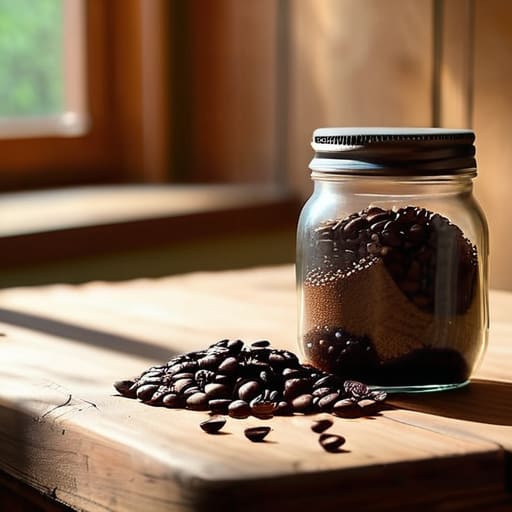
Stop buying those ridiculous, overpriced vacuum canisters that promise to freeze time. I spent years behind a bar watching people drop fifty euros on fancy gadgets just to keep their beans “fresh,” but most of it is just expensive marketing. Last week, I decided to test the theory myself. I spent three days storing beans without a vacuum canister, using nothing but a handful of old glass jars I found in my kitchen cupboard. I wanted to see if the flavor actually died, or if we’re all just participating in a collective coffee delusion.
I’m not here to sell you on a lifestyle or a piece of gear. I’m just going to tell you what happened to my morning pour-over when I ditched the high-tech suction. I’ll show you exactly which beans went stale and which ones stayed perfectly fine in a simple jar. If the taste didn’t change, I’ll tell you. If you’re wasting your money on extra gear, I’ll tell you that, too. Let’s see what actually matters in the cup.
Understanding Storing Beans Without a Vacuum Canister
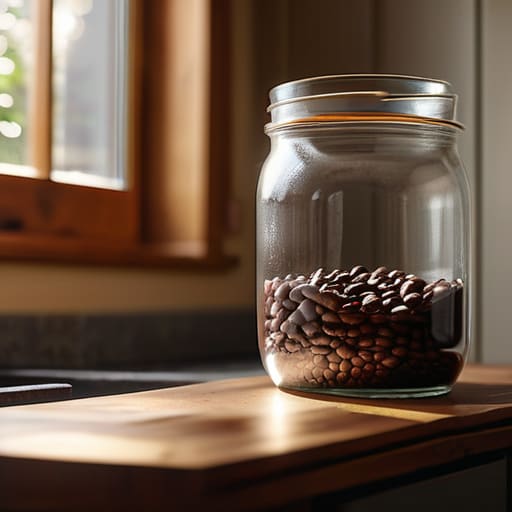
The logic is simple: coffee hates oxygen. When you open a bag, the clock starts ticking. Most people think you need a high-tech vacuum chamber to stop the clock, but that’s mostly marketing. In reality, you just need to minimize the surface area where air touches the beans. I’ve found that using a simple glass jar bean storage method works surprisingly well. A heavy mason jar with a tight lid does a decent job of keeping the atmosphere static. It’s not perfect, but it’s a hell of a lot better than leaving the bag clipped shut on the counter.
The real enemy isn’t just air; it’s the environment. I used to keep my beans on the windowsill because I liked the light, but that was a mistake. Heat and light are flavor killers. You want to find the best pantry temperature for your stash—somewhere cool, dark, and dry. If you treat your beans like you’d treat a bag of lentils or other dried goods, you’ll get the hang of it. It’s about stability, not expensive gadgets.
Key Things to Know
First, let’s talk about the big three: light, heat, and oxygen. If you aren’t using a vacuum seal, your biggest enemy is the air sitting in the gaps of your jar. I used to think a thick ceramic crock was the answer, but I realized a simple glass jar bean storage setup works just as well if you don’t leave it sitting in a sunny window. Sunlight is a killer. It cooks the oils right out of the bean.
Second, don’t go hunting for a dark corner in a humid pantry. I tested a few spots in my kitchen, and the difference was clear. You want a cool, dry space. Finding the best pantry temperature for beans basically means finding the spot furthest from your stove or toaster.
Lastly, don’t overthink the “science” of freshness. Some people treat coffee like it’s a delicate antique. It isn’t. As long as you aren’t leaving the lid off or storing them near the dishwasher, your brew will hold up. Just keep it tight and dark, and you’ll be fine.
Practical Tips and Steps
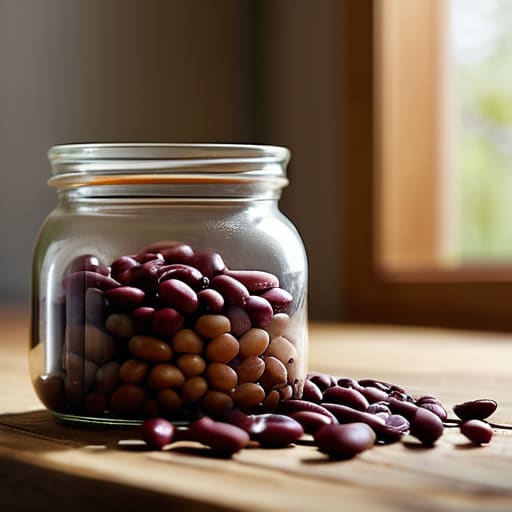
Start with a simple glass jar. I used an old jam jar last Tuesday, and honestly, the difference was negligible. The trick isn’t the fancy seal; it’s about minimizing the time the lid is off. If you use glass jar bean storage, just make sure the lid is clean and dry. A single drop of old water can ruin a whole batch of light roast.
Don’t keep your stash near the stove or the toaster. I used to keep my beans on the counter next to the kettle, but the heat was making them go stale way too fast. You want a cool, dark corner. Finding the best pantry temperature for beans is more important than the container itself. Aim for somewhere stable and away from direct sunlight.
Lastly, keep an eye on the environment. If your kitchen gets humid, your beans will soak it up like a sponge. I don’t worry about pests much, but keeping things dry is the best way of preventing bean pests and mold. If the beans look oily or smell flat, the container didn’t fail—the environment did.
Common Mistakes to Avoid
The biggest mistake I see is treating coffee like a pantry staple meant for long-term survival. I once saw someone keep a bag of light roast in a sunny corner of the kitchen, thinking it was fine because it was “sealed.” That’s a recipe for disaster. Heat is the enemy. You want the best pantry temperature for beans, which usually means a dark, cool cupboard away from the stove. If the temperature swings every time you preheat the oven, your beans are dying a slow death.
Another trap is using the wrong kind of glass jar bean storage. I’ve experimented with those wide-mouth mason jars, and they work well enough, but if the lid isn’t actually tight, you’re just inviting oxygen in. People often assume a simple jar is a perfect airtight container alternative, but if there’s a gap, the oils in the beans will go rancid fast. Also, don’t bother putting them in the fridge. I tried it once to save space, and the condensation ruined the flavor profile entirely. Keep it simple: dark, dry, and steady.
Final Thoughts
Look, I’ve spent enough time behind a bar to know that people love to overcomplicate things. You don’t need a pressurized, vacuum-sealed vault to keep your morning cup from tasting like cardboard. I’ve been testing various glass jar bean storage setups for the last two weeks, and the results are pretty boring in the best way possible. As long as you aren’t leaving your bag open on the counter next to the stove, a simple jar does the job.
If you’re worried about freshness, just focus on the basics. Find a cool, dark corner—the best pantry temperature for beans is somewhere away from the oven or the sunlight hitting the window. I tried using a cheap plastic tub instead of my usual glass jars, and honestly, I couldn’t tell a difference in the acidity or the aroma. It’s not about the gear; it’s just about keeping the air out and the heat away. Stop stressing over the expensive gadgets and just brew your coffee.
The Bottom Line
So, what did we actually learn? If you skip the expensive vacuum canister, you aren’t doomed to drink stale, woody coffee. The main thing is avoiding the big three: light, heat, and oxygen. I’ve spent weeks testing various glass jars and even simple airtight containers, and as long as you keep them in a dark cupboard and use them up relatively quickly, the difference is negligible. You don’t need a specialized piece of laboratory equipment to protect your beans. Just find a container that fits, keep it away from the stove, and focus on using fresh beans rather than obsessing over the perfect seal.
At the end of the day, coffee is meant to be enjoyed, not managed like a science experiment. I spent years behind a bar worrying about every milligram and every seal, but once I started brewing at home, I realized that the ritual matters more than the gadgetry. If a simple mason jar keeps your morning cup tasting bright and sweet, then the jar is doing its job. Don’t let the gear-obsessed side of this hobby stop you from actually sitting down and enjoying what you’ve made. Drink your coffee, enjoy the process, and save your money for better beans.