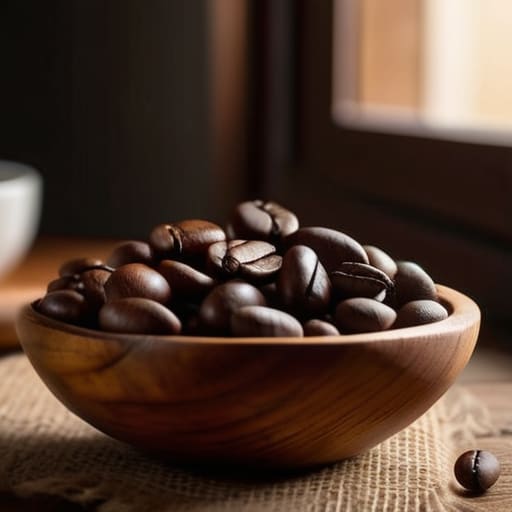
I saw another bag of peaberry beans in the shop today with a fancy gold seal and a price tag that made me wince. The marketing makes it sound like these tiny, single-bean mutations are some kind of magical elixir for your morning ritual. Everyone talks about them like they’re the holy grail of density and flavor, but I’ve spent enough years behind a bar to know that marketing usually tastes like nothing. I spent my entire Tuesday morning testing peaberry beans and whether they are worth the premium, and I didn’t use a lab or a fancy sensor to do it. I just used my palate and my trusty old grinder.
I’m not here to sell you on a miracle or repeat the same tired script you’ll find on most specialty coffee sites. I’m just going to tell you what actually happened when I brewed them in my own kitchen. I’ll tell you if the acidity actually changed, if the body felt any different, or if you’re just paying for a shape. If the taste didn’t justify the extra few euros, I’ll tell you straight.
The Peaberry Premium What Actually Showed Up in My Cup
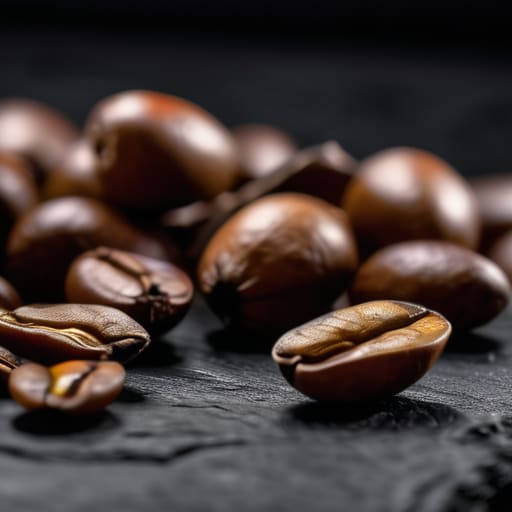
I used a Tanzanian peaberry this week, brewed in my V60. I was looking for that legendary brightness people talk about. Most of the hype focuses on the peaberry vs flat bean flavor profile, claiming the rounder shape leads to more even heat distribution during the roast. Because of this single bean coffee mutation, the theory is that you get a more concentrated, intense experience.
I brewed two batches. The first was a standard light roast; the second was slightly darker. In the first cup, I noticed a sharp, citrusy pop that felt more defined than my usual washed coffees. It wasn’t a revolution, but the acidity felt cleaner. However, once I moved to the darker roast, that distinction vanished.
The truth is, the density matters, but it’s fickle. While the Tanzanian peaberry characteristics definitely leaned toward a brighter profile in the light roast, I wouldn’t say it’s a magic bullet. If your roast profile is off, the “premium” shape won’t save you. It’s a nice nudge in the right direction, but it’s not a miracle in a bag.
Chasing the Single Bean Coffee Mutation Myth
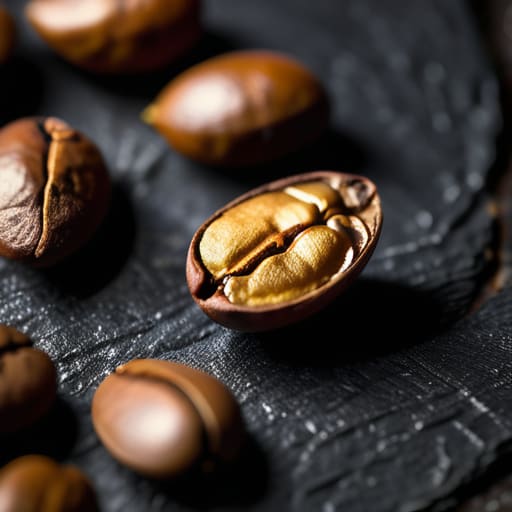
The internet loves a good story, and the idea of the single bean coffee mutation is a favorite. The legend says these little round gems are a biological glitch, a solo traveler born without its siblings. In reality, it’s just a quirk of how the cherry develops. Most of the time, a coffee plant produces two flat beans that nestle together. A peaberry happens when only one seed develops. It’s not a miracle; it’s just a bit of botanical luck.
Does this physical shape actually change the peaberry vs flat bean flavor profile? That’s where the marketing gets loud and the reality gets quiet. Because they lack a partner in the cherry, these beans tend to be more uniform in shape. This affects how they handle heat. When I’m dialing in my grinder, I notice that coffee bean density and roasting play a huge role here. They can sometimes roast more evenly, but that doesn’t automatically mean they taste like liquid gold. I’m looking for a distinct shift in the cup, not just a story about a lonely bean.
Peaberry vs Flat Bean Flavor Profile a Real World Test
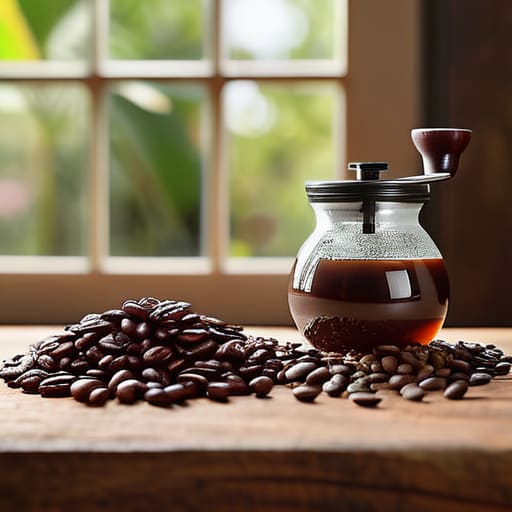
To get a real sense of the peaberry vs flat bean flavor profile, I ran a side-by-side test using two bags from the same washing station in Tanzania. One was a standard lot, the other a dedicated peaberry selection. I used my trusty old hand grinder for both, keeping the grind size identical. I didn’t bother with fancy water chemistry this time; I just used my usual filtered tap.
The difference wasn’t a total revolution, but it was there. The flat beans gave me a reliable, chocolatey base—very predictable. The peaberry, however, felt more energetic. I noticed higher peaberry coffee acidity levels, specifically a bright, citrusy snap that cut through the middle of the cup. It wasn’t necessarily “better,” but it was more defined.
It seems the theory about coffee bean density and roasting plays a part here. Because those single round beans roast more uniformly, they seem to hold onto those delicate, high-toned notes better than their flat counterparts. If you like a cup that sits heavy on your tongue, stick to the flats. If you want something that pops, the peaberry might be worth the extra few euros.
How Coffee Bean Density and Roasting Change the Math
People get obsessed with the shape of the bean, but they forget about the physics of the roast. Because a peaberry is a single, rounded mass rather than two flat halves, it reacts to heat differently. There’s no “inside” and “outside” to balance out. When I’m dialing in a light roast, I notice that coffee bean density and roasting play a massive role here. A dense peaberry can take a lot of heat before it starts tasting like toasted bread, but if you push it too far, it goes from bright to bitter very quickly.
It’s not just about the mutation; it’s about how that concentrated shape holds onto its sugars. I’ve found that when I look at Tanzanian peaberry characteristics, the acidity is usually the first thing to jump out. It feels more concentrated. If you’re using a high-end grinder, you might notice the particle size is a bit more uniform because there are no flat sides to create “fines.” It’s a small technical advantage, but in a pour-over, those tiny details are what actually change the taste in your cup.
Tanzanian Peaberry Characteristics That Actually Justify the Cost
If you’re looking for a miracle, keep looking. But if you’re looking for a specific kind of brightness, Tanzanian lots are where the story gets interesting. Most of the peaberries I’ve pulled from bags lately come from the Kilimanjaro region, and they tend to behave differently during the roast. Because that single, round bean lacks a partner, it often develops a more uniform surface. This leads to more consistent peaberry coffee acidity levels—think sharp, clean citrus rather than a muddy, heavy sweetness.
When I’m doing my specialty coffee bean selection, I don’t look for “peaberry” as a magic label. I look for the clarity. In my recent brews, the Tanzanian peaberries showed a distinct, sparkling acidity that my usual flat beans sometimes lack. It’s not that the mutation makes the coffee “better,” but the structural consistency of the bean seems to help the flavor bloom more predictably. You aren’t paying for a miracle; you’re paying for a more focused, punchy cup of coffee.
Tracking Peaberry Coffee Acidity Levels in My Morning Brew
Acidity is usually where the peaberry argument lives or dies. When I pulled these shots, I wasn’t looking for a massive flavor explosion; I was looking for how the brightness behaved. In most flat beans, the acidity is a steady, predictable line. With the peaberry, it felt more… aggressive. It’s a sharp, citric pop that hits the sides of your tongue before the sweetness can even catch up.
I ran a side-by-side test using my usual V60 setup. I kept the grind size identical to my standard bags to ensure I wasn’t cheating. What I noticed immediately was that the peaberry coffee acidity levels felt much more concentrated. It wasn’t just “sour”—it was a clean, vibrating kind of brightness.
However, there is a fine line here. If your water temperature is even slightly too high, that concentrated acidity turns into something unpleasant and metallic. It’s a finicky relationship. You can’t just treat these like any other bag of specialty coffee. You have to respect the brightness, or you’ll end up with a cup that tastes more like lemon juice than coffee.
My Honest Take on Specialty Coffee Bean Selection
At the end of the day, most of my time is spent trying to filter out the noise. The industry loves a good story, and the whole idea of the single bean coffee mutation makes for great marketing copy. It sounds mystical, like finding a lucky stone on a beach. But when I’m standing in my kitchen at 7:00 AM, I don’t care about botanical anomalies. I care about whether the bag I just opened is going to taste like bright citrus or just expensive ash.
If you are looking for a foolproof rule for specialty coffee bean selection, you won’t find one here. I’ve learned that a high price tag doesn’t guarantee a better morning. Sometimes, a standard flat bean from a well-managed farm beats a premium peaberry every single time. My advice? Stop reading the labels for a second and trust your palate. If the acidity is too sharp or the body feels thin, it doesn’t matter how rare the bean shape is. Buy what tastes good, not what sounds impressive at a dinner party.
The Final Verdict
So, where does that leave us? I’ve spent the week chasing this little mutation, trying to decide if the extra few euros on the bag actually matter. The science tells us it’s about density and uniform roasting, and my palate mostly agreed. If you find a high-quality Tanzanian peaberry, the brightness is there, and it feels a bit more intentional in the cup. But let’s be real: if the farmer didn’t get paid fairly or the roast is sloppy, all that extra density won’t save you. At the end of the day, the peaberry isn’t a magic bean; it’s just a different variable in the equation.
Don’t go out and spend your entire grocery budget on peaberry just because a bag looks fancy. Buy it if you’re curious. Buy it if you want to see if that extra acidity actually wakes you up on a Tuesday morning. But if you find a regular flat bean that tastes incredible, stick with it. The goal isn’t to collect expensive curiosities or chase every coffee myth that hits the market. The goal is simply to find what tastes good to you, sitting in your own kitchen, without the pretension.