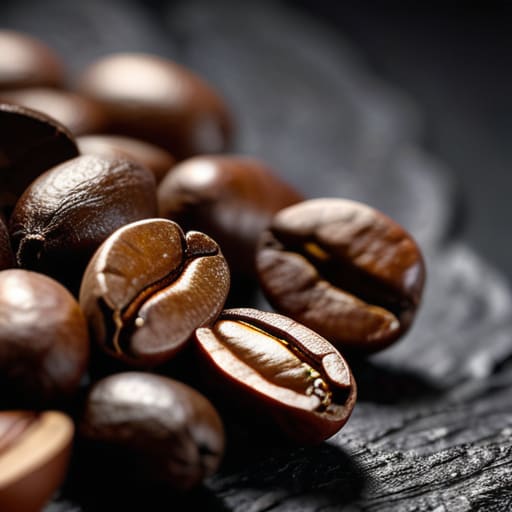
I spent eight years behind a professional bar, and I can still hear the snobbish whispers whenever someone ordered a cheap blend. Usually, it’s the same old lecture: Arabica is “sophisticated” and Robusta is just “filler” for people who want a caffeine hit without the nuance. But lately, I’ve been looking at arabica and robusta side by side in my own kitchen, and the reality is a bit more complicated than the coffee snobs want you to believe. Sometimes, that “low-quality” bean provides a body and a crema that my expensive single-origin beans just can’t touch.
I’m not here to sell you a lifestyle or tell you that you need a thousand-euro grinder to taste the difference. My promise is simple: I’m going to tell you what actually happens when you put these two in the same brewer. I’ll tell you if the price jump is actually worth it or if you’re just paying for a fancy label. No marketing fluff, no textbook definitions—just what I tasted in my cup this morning.
Arabica
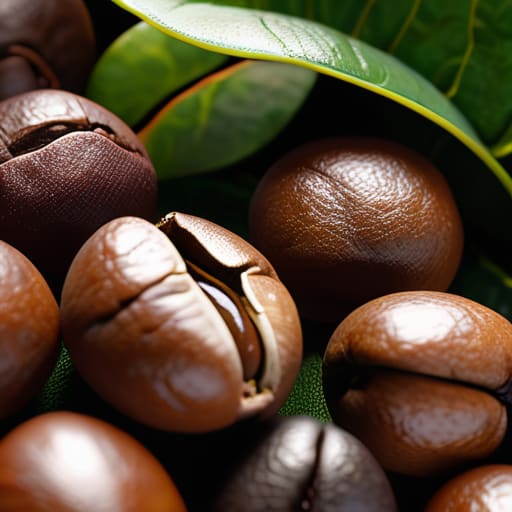
Arabica is a species of coffee bean known primarily for its complex acidity and wide range of delicate flavor profiles. It grows at higher altitudes, which forces the plant to mature more slowly, resulting in a bean that holds a higher concentration of sugars and organic compounds. This slow growth is the engine behind its reputation as the premium standard for specialty coffee drinkers.
I spent years pulling shots of Arabica in busy cafes, and the appeal is always that specific, bright nuance. When you find a good single-origin, you aren’t just drinking caffeine; you are tasting notes of jasmine, blueberry, or even citrus. For me, the value lies in that sensory complexity that makes a morning ritual feel like something more than just a way to wake up.
Robusta
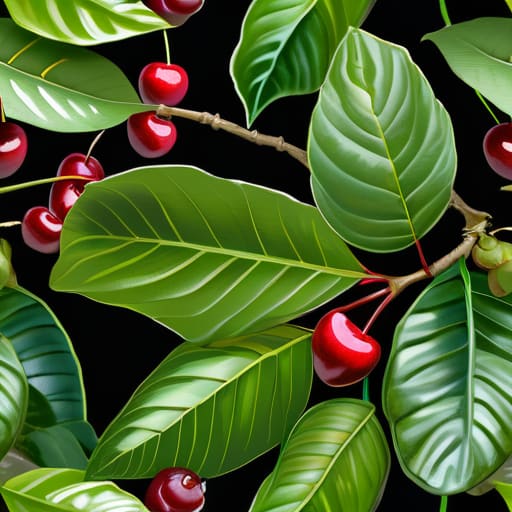
Robusta is a hardier, more resilient coffee species that thrives in lower altitudes and warmer climates. It contains significantly more caffeine than its counterpart, which serves as a natural defense mechanism for the plant against pests. Because it is easier to farm and yields more per tree, it remains the backbone of the commercial coffee industry and most instant varieties.
Don’t let the “cheap” label fool you into thinking it has no place in a kitchen. I recently brewed a heavy Robusta blend to see if it could stand up to my usual routine, and the body and crema were actually quite impressive. It doesn’t offer the floral whimsy of Arabica, but if you want a cup that hits like a heavy punch and stays thick on the tongue, it works.
Comparison of Coffee Bean Varieties
| Feature | Arabica | Robusta |
|---|---|---|
| Flavor Profile | Sweet, acidic, and complex | Bitter, earthy, and woody |
| Caffeine Content | Lower (approx. 1.2–1.5%) | Higher (approx. 2.2–2.7%) |
| Price | Higher (premium quality) | Lower (commodity grade) |
| Growing Altitude | High altitudes (600–2000m) | Low altitudes (0–800m) |
| Shape | Oval and elongated | Round and smaller |
| Best For | Specialty coffee and pour-overs | Espresso blends and instant coffee |
| Resilience | Sensitive to pests and weather | Hardy and disease-resistant |
Understanding Arabica and Robusta Side by Side
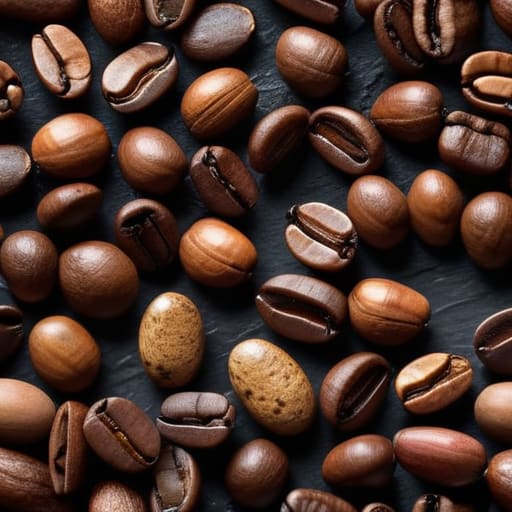
Most people think the difference between these two is just about price, but that’s a mistake. If you don’t understand the fundamental gap between them, you’ll spend a lot of money on fancy gear only to end up with a cup that tastes like burnt rubber. Knowing the difference is the only way to stop guessing why your morning brew tastes “off.”
Arabica is the sensitive child. It’s picky about altitude and soil, which is why it develops those bright, acidic notes we all chase. When I brew a light-roast Arabica, I’m looking for fruit and florals. Robusta, on the other hand, is a tank. It grows almost anywhere and packs a massive, heavy body with a much higher caffeine content. It’s less about nuance and more about that deep, earthy punch.
In a practical sense, this means you can’t treat them the same. If you try to dial in a delicate Ethiopian Arabica using a recipe meant for a heavy Robusta blend, you’ll be disappointed. You have to respect the chemical reality of the bean.
For sheer complexity and flavor range, Arabica wins every single time.
Key Things to Know
You can read all the technical charts you want, but if you don’t understand the practical reality of these two beans, you’re just guessing. Knowing the difference isn’t about memorizing botanical names; it’s about knowing what you’re actually paying for when you open a bag.
Arabica is the finicky child. It grows high, needs specific weather, and demands a higher price tag because it’s harder to farm. When you brew it, you’re looking for those delicate nuances—the acidity, the floral notes, the stuff that makes a light roast interesting. It’s rewarding, but it’s also temperamental.
Robusta is the workhorse. It grows like a weed, resists pests, and packs a massive caffeine punch. It’s much more forgiving in the kitchen. If you’re making a heavy espresso or a milk-based drink, Robusta provides that thick crema and punchy bitterness that cuts right through the dairy. It doesn’t care about subtle notes; it just shows up and does the job.
For sheer versatility and ease of use in a home setup, Robusta wins for reliability, but Arabica remains the king of complexity.
Practical Tips and Steps
Knowing the difference between these two is fine, but knowing how to actually brew them is where you stop being a student and start being a barista. If you treat a cheap Robusta like a delicate Gesha, you’re going to have a very bad morning.
When I’m working with Arabica, I play a game of precision. I’m looking for those bright, acidic notes, so I tend to use a slightly higher temperature and a finer grind to extract every bit of sweetness. It’s a delicate dance. If I miss the mark, it just tastes sour.
Robusta is a different beast entirely. It’s forgiving, almost stubborn. You don’t need to baby it. In fact, I find that using a slightly coarser grind and a lower temperature helps tame that heavy, rubbery bitterness that often creeps in. It’s about managing the intensity rather than chasing subtle florals.
If you want a relaxing, technical ritual, Arabica wins for the sheer fun of the challenge. But if you just want a reliable caffeine kick that isn’t ruined by a slight temperature swing, Robusta is your practical friend.
The Final Sip
At the end of the day, the choice between these two isn’t about which bean is “better” in a vacuum. It is about what you want your morning to feel like. If you want those bright, floral notes and a clean finish that makes you want to linger over the cup, you reach for the Arabica. If you want that heavy, chocolatey punch and a caffeine kick that actually wakes you up, Robusta is your friend. I have spent too much money on high-end grinders to pretend that a mediocre bean will taste like gold, but I have also learned that a well-balanced blend using both can often outperform a single-origin bean that is trying too hard to be fancy.
Stop worrying so much about the labels on the bag and just start tasting. I used to spend hours reading technical sheets before I even touched my kettle, thinking the data would tell me everything. It doesn’t. The only thing that matters is the liquid in your mug. Whether you are sipping a delicate Ethiopian Arabica or a gritty, dark-roasted Robusta, the goal is the same: enjoying the ritual. Buy what you like, brew it how you like, and if it tastes good, then the debate is over.