I spent years behind a bar listening to roasters drone on about how much altitude matters, as if saying “1,800 meters” automatically makes a coffee taste like liquid gold. It’s easy to get lost in the marketing jargon and assume a higher number always equals a better bag. But honestly, the connection between elevation and what it does to a coffee bean is often treated like a magic spell rather than actual science. I’ve tasted high-altitude beans that were completely hollow and lower-grown lots that absolutely punched me in the face with sweetness.
I’m not here to sell you on the prestige of a mountain peak. I just want to know if that extra zero on the altitude label is actually worth your hard-earned money. This week, I’ve been brewing a few different lots to see if the density really changes how the acids hit your tongue. I’ll tell you exactly what I found in my own kitchen, focusing on the actual flavor shifts rather than the fancy numbers on the packaging.
Understanding Elevation and What It Does to a Coffee Bean
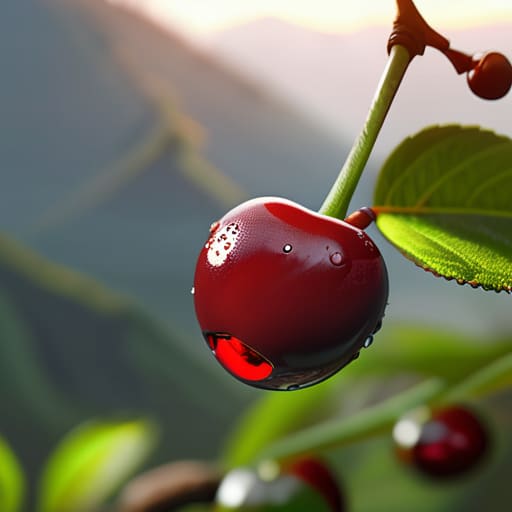
Think of it like this: altitude is basically a slow-motion button for flavor. When a coffee plant grows higher up, the air gets thinner and the nights get much colder. This slows down the coffee cherry maturation process significantly. Instead of rushing through its life cycle, the plant takes its sweet time. This slow growth allows more complex sugars and acids to develop inside the seed. It’s the difference between a quick snack and a slow-cooked meal.
Because of these cooler temperatures, you end up with a much higher high altitude coffee bean density. These beans are physically harder and more compact. When I’m grinding them at home, I can actually feel the resistance in my hand grinder; they just don’t crumble like the cheap stuff.
This density is where the magic happens during brewing. That extra structure holds onto the acidity and those bright, floral notes we all pay a premium for. If you’re looking at the difference between arabica vs robusta altitude requirements, it’s pretty stark. Robusta thrives in the heat of the lowlands, but if you want that crisp, clean acidity that makes your mouth water, you have to look up.
Key Things to Know
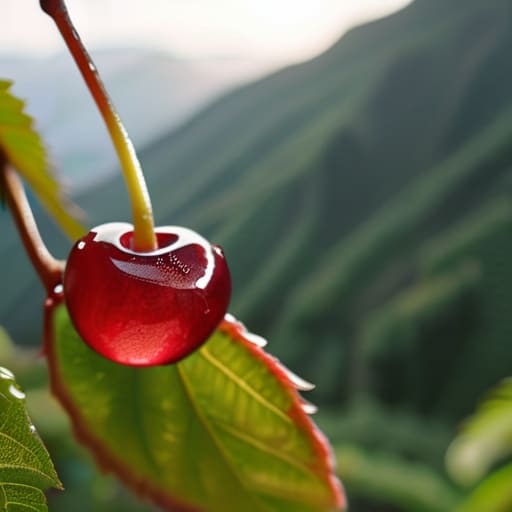
First, let’s talk about the bean itself. When coffee grows up high, things move slowly. The cooler nights at higher altitudes slow down the coffee cherry maturation process, meaning the fruit stays on the branch longer. This isn’t just a fun fact for farmers; it’s why the sugars have time to develop. It leads to a much higher high altitude coffee bean density, which usually translates to a more complex, layered cup once you finally get it into your grinder.
You also need to consider the species. If you’re looking at arabica vs robusta altitude requirements, the gap is massive. Arabica loves the thin, cool air of the mountains, while Robusta is much more comfortable hanging out in the lowlands. This is a huge part of why your specialty light roast tastes like jasmine and your cheap supermarket espresso tastes like burnt rubber. It all comes down to how the plant reacts to its environment. It’s not just magic; it’s basically just biology doing its thing while we wait for the kettle to boil.
Practical Tips and Steps
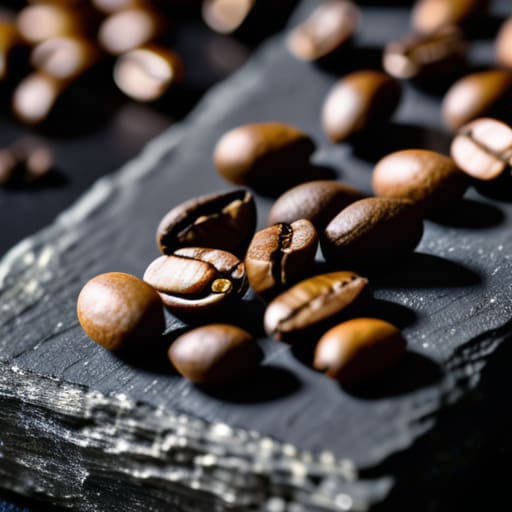
So, how do you actually use this when you’re standing in a specialty shop staring at a wall of bags? First, look for the numbers. If you see a bag from Ethiopia or Colombia marked above 1,500 meters, expect a tighter, more complex acidity. Because of the high altitude coffee bean density, these beans are harder and more compact. In my kitchen, this means I usually have to grind a hair finer than I would for a lowland bean to get the extraction just right. If your brew tastes sour and thin, your grinder is likely skipping over those dense particles.
Second, stop ignoring the roast date in relation to the origin. High-altitude beans often have more complex sugars developed during the slow coffee cherry maturation process. These flavors can be delicate. If you’re using a light roast from a high-elevation farm, watch your water temperature closely. I’ve found that dropping my temperature by just two degrees can prevent that sharp, metallic acidity from taking over, allowing the actual fruit notes to breathe. Don’t let the gear do the work; let the altitude do it.
Common Mistakes to Avoid
Don’t fall into the trap of thinking a high price tag automatically means better flavor just because the bag says “High Altitude.” I’ve seen plenty of expensive beans that were roasted so dark the complexity of the growing region was completely buried. You aren’t paying for flavor if the roaster hides the work of the mountain under a layer of charcoal. Also, watch out for the confusion regarding arabica vs robusta altitude requirements. If you see a “specialty” bean that’s actually a low-altitude robusta blend, don’t expect that bright, floral acidity you’re hunting for. It simply isn’t in the bean’s DNA.
Another mistake is ignoring how your gear interacts with the bean itself. High-altitude beans are physically different; they have a much higher high altitude coffee bean density. Because they are harder and more compact, they can be a nightmare for cheap grinders. If your grinder isn’t up to the task, you’ll end up with a messy mix of boulders and dust, making your morning brew taste bitter and muddy regardless of how good the farm was. Don’t blame the altitude for a bad grind.
Final Thoughts
At the end of the day, don’t let the charts and altitude maps intimidate you. You don’t need a degree in botany to enjoy a good cup. Just remember that when you see a bag marked with a high elevation, you’re likely looking at a bean that grew slowly. That slow coffee cherry maturation process is exactly why those beans tend to pack more complexity into every sip. It’s not magic; it’s just biology taking its time.
I’ve spent enough mornings chasing the perfect brew to know that gear matters, but the bean is the foundation. You can buy a grinder that costs more than my first car, but if you aren’t paying attention to the terroir and coffee flavor profiles dictated by where that plant lived, you’re just wasting electricity.
My advice? Stop worrying about the perfect math and start listening to your palate. If a high-altitude roast tastes bright and acidic to you, then it’s a winner. If it tastes thin, move down the mountain next time. The cup is the only truth that matters.
The Bottom Line
At the end of the day, elevation isn’t just a number on a bag to make the price tag look more impressive. It is the reason why one cup tastes like a heavy, chocolatey hug and the next tastes like a bright, floral tea. We talked about how those thinner air layers at higher altitudes force the coffee cherry to grow slower, packing in more complex sugars and acids. You can buy the most expensive grinder in the world, but if you aren’t paying attention to the altitude of your beans, you’re missing half the story. High altitude means more character, but it also means you might need to tweak your grind size or water temperature to really unlock what’s hidden inside.
Don’t get too caught up in the technicalities, though. I spent far too many years in cafes arguing about meters above sea level while the coffee went cold. The goal isn’t to pass a written exam; it’s to find a bean that makes you want to sit down and stay a while. Whether you are sipping a dense Brazilian or a sharp, high-altitude Kenyan, just listen to your palate. If the altitude makes the coffee sing in your cup, then it’s worth the extra few euros. If it doesn’t? Well, that’s just another reason to brew something else tomorrow.