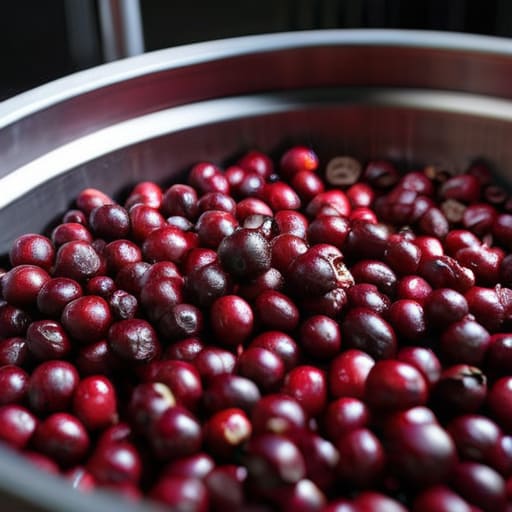
I saw a bag of beans yesterday labeled with a process so complex it sounded like a chemistry final. The marketing promised a flavor explosion, claiming that anaerobic fermentation and the flavours it creates would fundamentally rewrite your palate. Honestly? Most of these fancy, oxygen-free tanks just produce coffee that tastes like overripe fruit and boozy funk. It’s a polarizing trend, and half the time, you’re paying a massive premium just for a bag that smells like a tropical fruit salad gone wrong.
I’m not here to sell you on the hype or tell you that every experimental lot is a masterpiece. I’ve brewed these heavy-process beans in my own kitchen, using the same gear you probably have on your counter, to see if they actually hold up. I’ll tell you exactly which profiles are worth the extra cash and which ones are just expensive gimmicks. If the process doesn’t actually change the cup, I’ll tell you straight.
Understanding Anaerobic Fermentation and the Flavours It Creates
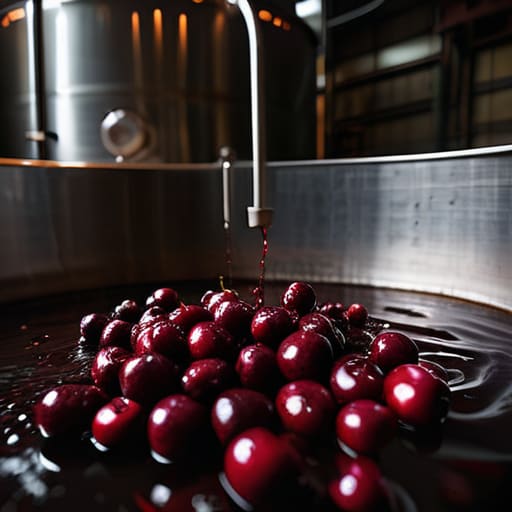
The concept is simple: you put the coffee cherries in a sealed tank and strip the oxygen away. In a normal open-air process, everything is breathing. Here, we are forcing a specific kind of chaos. By removing the air, we change the playground for microbial activity in coffee processing. Instead of the usual wild yeasts doing their thing, we create an environment where different bacteria take over. It’s a controlled environment, but it feels a bit like a science experiment gone rogue in my kitchen.
What does this actually do to the liquid? Usually, you get a heavy, almost creamy mouthfeel. This is largely due to lactic acid fermentation coffee producing those funky, yogurt-like notes that you won’t find in a standard washed process. You might taste intense tropical fruit—think mango or pineapple—but it’s deeper and more “processed” than a clean, bright Ethiopian. Sometimes, if the producer pushes it too far, it tastes like a boozy fruit punch. It’s a fine line between a masterpiece and a cup that tastes like a mistake.
Key Things to Know
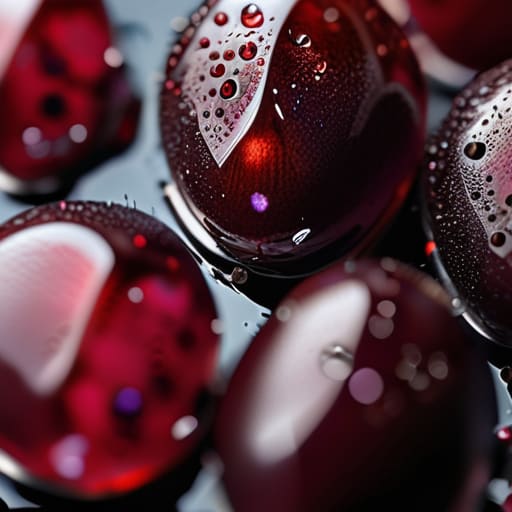
First, let’s talk about the science, but without the textbook lecture. When we talk about anaerobic processes, we are really talking about how yeast and bacteria in coffee fermentation behave when they can’t breathe. In a standard washed process, oxygen is everywhere. In an anaerobic tank, we seal it off. This lack of air forces the microbes to take a different path to get energy. It’s a controlled chaos that changes how the sugars in the cherry break down.
This shift is what dictates the sensory characteristics of anaerobic coffee. You aren’t just getting “fruit”; you are getting specific, heavy-hitting profiles. I’ve noticed that while traditional methods lean toward clean acidity, these sealed batches often land in the territory of boozy wine, tropical fruit, or even intense cinnamon.
Don’t expect every anaerobic bag to be a revelation, though. Sometimes the microbial activity in coffee processing goes a bit too far, and you end up with a cup that tastes more like a science experiment than a breakfast drink. It’s a fine line between a complex masterpiece and something just plain funky.
Practical Tips and Steps
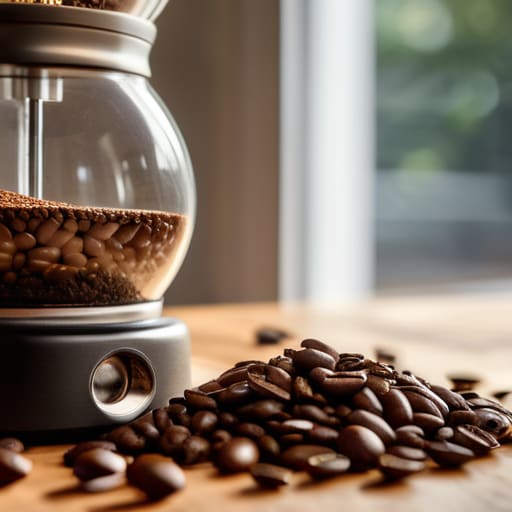
If you’re brewing these beans at home, stop trying to overcomplicate your technique. When I pull a shot of an anaerobic lot, I don’t reach for my most expensive refractometer. Instead, I focus on my grind size. These beans often have a much denser cellular structure due to the microbial activity in coffee processing. If your brew tastes muddy or overly heavy, go a notch finer. If it’s hitting you with a harsh, vinegary punch, back off.
I’ve noticed that the sensory characteristics of anaerobic coffee lean heavily toward the intense. You’ll get those wild, boozy notes that standard washed coffees just don’t have. To balance this, I tend to use a slightly higher water temperature—around 94°C—to help pull out the sweetness and tame the acidity. Don’t chase the “perfect” extraction on paper. Just listen to the cup. If the fruit notes feel like they’re screaming at you, adjust your pour rate. The goal isn’t a science experiment; it’s a drinkable breakfast.
Common Mistakes to Avoid
The biggest mistake I see is treating these beans like any other washed process. If you try to brew an anaerobic lot with a standard, light-roast recipe, you’re going to be disappointed. These beans are chemically different. Because of the intense lactic acid fermentation coffee profiles, they often carry a heavy, almost creamy body that can turn “muddy” if you over-extract. I’ve had bags that promised tropical fruit but ended up tasting like fermented fruit juice—sweet, but in a way that feels slightly off.
Another trap is ignoring the sheer intensity of the sensory characteristics of anaerobic coffee. People expect a subtle hint of something new, but these processes are loud. If you use a high-end grinder but your water temperature is swinging wildly, you’ll never catch the nuance. You’ll just get a cup that tastes like sour funk. Don’t overthink the gear, but do pay attention to your extraction time. If the cup tastes like a science experiment gone wrong, back off the temperature or grind a bit coarser. Keep it simple.
Final Thoughts
At the end of the day, don’t let the fancy terminology intimidate you. Whether you call it a wild experiment in microbial activity in coffee processing or just a way to make coffee taste like tropical fruit punch, the goal remains the same: a better cup. I’ve tried some of the most expensive anaerobic lots on the market, and while the complexity is undeniable, I still find myself reaching for a standard washed process on a quiet Tuesday morning. Sometimes, you just want coffee to taste like coffee.
If you decide to dive into these specialty coffee processing methods, my advice is to keep your expectations grounded. The sensory characteristics of anaerobic coffee can be intense—think heavy syrups and funky, fermented notes that might actually overwhelm a delicate palate. It’s a polarizing way to brew. But if you enjoy that punchy, vibrant acidity, it’s a rabbit hole worth falling down. Just don’t expect a $50 bag of beans to fix a bad grinder or a dirty kettle. The gear matters, but the bean is still the boss.
The Bottom Line
At the end of the day, anaerobic fermentation is just a tool in the producer’s kit. It can turn a standard washed process into something that tastes like tropical fruit punch or heavy wine, but it isn’t magic. We’ve talked about the intense acidity, the heavy body, and the risk of everything tasting like a fermentation experiment gone wrong. If you’re buying these bags, look for clarity. You want that wild, funky profile without losing the soul of the coffee bean itself. Don’t get distracted by the fancy labels or the high price tags; just focus on whether the flavor actually makes sense in your cup.
My advice? Stop overthinking the science and just start drinking. You don’t need a lab or a degree to tell if a coffee tastes like blueberries or just sour compost. The best part of this whole hobby isn’t mastering the chemistry of a fermentation tank—it’s that moment when you take a sip of something unexpected and your brain just clicks. Whether it’s a funky anaerobic process or just a really well-dialed pour-over, the goal remains the same. Find what you enjoy, brew it simply, and stop worrying about the rest.