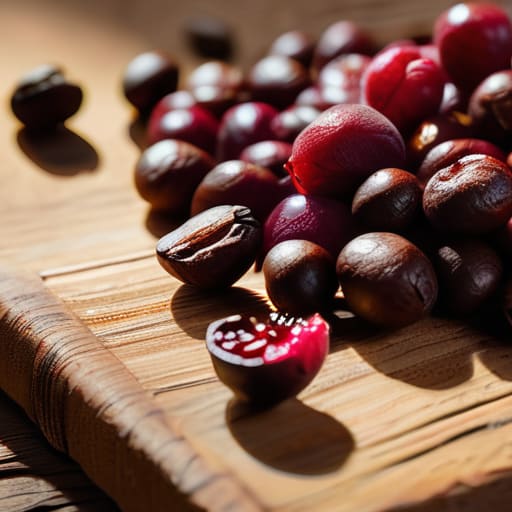
I saw a bag of “experimental anaerobic fermentation” beans yesterday with a price tag that could have paid my rent for a week. The marketing text promised a flavor explosion that would redefine your soul, but we all know the drill. Most of the time, people use these fancy terms just to justify a markup. I’ve sat behind a bar for eight years watching people chase these trends, only to realize that what the processing method does to flavour is often far less dramatic than the roaster claims. Half the time, you’re just paying for a more complicated label.
I’m not here to sell you on the magic of fermentation or tell you that every natural process is a miracle. This week, I sat in my kitchen and brewed four different lots—washed, natural, honey, and a funky anaerobic—to see which ones actually earned their reputation. I’ll tell you exactly which ones tasted like a revolution and which ones were just expensive water and hype. If the process didn’t change the actual sip in my cup, I’m going to tell you so.
Understanding What the Processing Method Does to Flavour
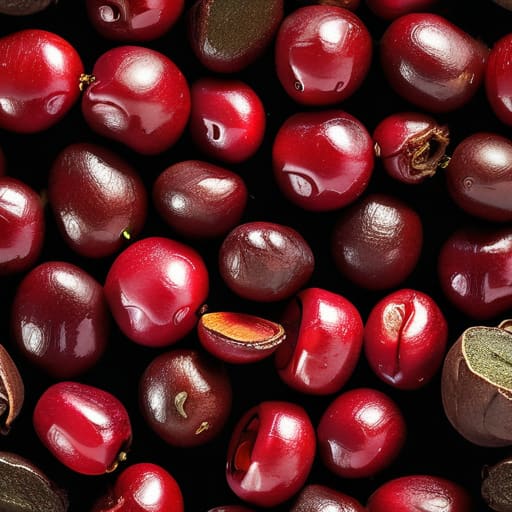
Think of processing as the stage where the fruit meets the bean. It’s not just about cleaning; it’s about how much of that fruit’s personality stays behind. When we talk about wet vs dry processing coffee, we are really talking about control. In a washed process, you strip everything away—the mucilage, the pulp, the whole mess—leaving just the clean, acidic core of the seed. It’s predictable. It’s safe.
Then you have the naturals. Here, the bean stays wrapped in its fruit while it dries under the sun. This is where the coffee sensory characteristics start to drift toward heavy sweetness and fermented funk. If you’ve ever tasted a natural that hit you with a burst of blueberry, you’ve felt the impact of that fruit drying directly against the bean.
Lately, everyone is obsessed with the “new” stuff, like anaerobic fermentation. People claim it’s a revolution, but I find it’s often just a way to make coffee taste like a boozy fruit cocktail. It’s a heavy-handed way to manipulate the impact of fermentation on acidity, and sometimes, it just masks a mediocre bean.
Key Things to Know
First, let’s look at the basics. The biggest divide is wet vs dry processing coffee. In a washed process, they strip away everything—the skin, the pulp, and the mucilage—leaving just the bean. It’s clean. It’s predictable. If you want to taste the actual terroir of the soil without any “fruit funk” getting in the way, this is your lane.
Then you have the natural process, where the fruit stays on the bean while it dries in the sun. This is where you get those heavy, wine-like notes. If you’re chasing a specific honey process coffee flavor, you’re looking for that middle ground. They leave some of that sticky mucilage on the bean during drying, which adds a creamy sweetness without the absolute punch of a full natural.
Lately, everyone is obsessed with controlled environments. We’re seeing a massive anaerobic fermentation coffee impact in specialty shops. By fermenting the beans in oxygen-free tanks, producers are forcing flavors into the cup that shouldn’t technically be there. Sometimes it’s incredible; other times, it just tastes like a science experiment gone wrong.
Practical Tips and Steps

Don’t go chasing every experimental bag you see on Instagram. If you’re moving from a standard washed coffee to something more complex, start with the honey process coffee flavor profile. It’s a middle ground. You still get that clean clarity, but there’s a bit more body and a sweetness that feels more “natural” than the stripped-back washed stuff. It’s the easiest way to notice the difference without feeling like you’ve been hit by a fruit bomb.
When you do decide to dive into the heavy hitters, like an anaerobic lot, watch your brew variables closely. The anaerobic fermentation coffee impact is massive; these beans often have a much more intense, almost boozy acidity. If it tastes too sharp or funky, don’t blame the beans—try a slightly coarser grind or a lower water temperature. You’re trying to balance that wild fermentation against the actual sweetness. My rule is simple: if the process is loud, dial back your technique to let the bean breathe.
Common Mistakes to Avoid
The biggest mistake I see is treating a fancy label like a flavor guarantee. People buy a bag of anaerobic fermentation coffee thinking it will automatically taste like a tropical fruit cocktail. It might, but it also might just taste like fermented funk if the producer wasn’t careful. Don’t go in with a rigid expectation. If you expect a specific profile and it isn’t there, you’ll miss what the coffee actually is.
Another trap is ignoring how much the mucilage affects your brew time. When you’re dealing with honey process coffee flavor, you’re dealing with more residual sugars and solids. If you try to brew it exactly like a clean, washed Ethiopian, you might find it clogs your filter or tastes muddy. I’ve wasted plenty of good beans by using the same grind setting for everything.
Finally, stop assuming “natural” always means “sweet.” Sometimes, excessive drying during the process just leads to a fermented, boozy mess that lacks any clarity. It’s easy to get distracted by the hype of a specific method and forget that the bean’s origin still matters most.
Final Thoughts
At the end of the day, don’t let the fancy labels on the bag intimidate you. You can spend a fortune on an anaerobic fermentation coffee impact that promises “explosive fruit notes,” but if the roast is poorly executed, you’re just drinking expensive, funky charcoal. I’ve learned that while the wet vs dry processing coffee debate is endless, the most important thing is how the bean reacts to your specific setup.
I usually find that the biggest shifts come from the impact of fermentation on acidity. If you like a bright, clean cup, stick to the washed stuff. If you want something that feels like a heavy fruit juice, look for those honey processes. Just remember: a label is a suggestion, not a law.
My advice? Stop reading the tasting notes for a second and just listen to your own palate. If a high-end process doesn’t make your morning cup better, it’s not worth your money. Buy what tastes good to you, brew it simply, and stop overthinking the science.
The Bottom Line
At the end of the day, processing is just the bridge between the cherry and your cup. Whether it’s the clean, bright acidity of a washed Ethiopian or the heavy, fermented funk of an anaerobic natural, these methods dictate the foundation of your flavor. I’ve learned that you can have the most expensive grinder in Budapest, but if you aren’t choosing a process that aligns with what you actually want to taste, you’re just wasting electricity. Don’t get lost in the technical jargon or the marketing hype surrounding new fermentation techniques. Focus on the sensory reality of the brew. If the label says “complex” but your cup tastes like nothing, trust your tongue over the bag.
My advice? Stop reading about it and just start tasting. Buy a small bag of something weird, like a honey process or a thermal shock roast, and brew it side-by-side with your usual washed coffee. That is where the real education happens. Coffee shouldn’t be a math problem or a status symbol; it should be a moment of clarity in a busy morning. The gear matters, and the science matters, but none of it is more important than that first sip. Go find something that makes you stop talking and just start drinking.