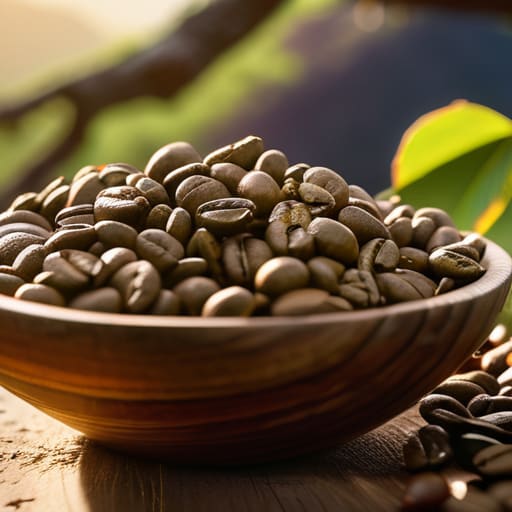
I opened a bag of my favorite Kenyan lot this morning, expecting that familiar punch of blackcurrant, but instead, I got something that tasted more like unwashed stone fruit. It’s frustrating. You find a roast you love, you build your whole morning ritual around it, and then suddenly, the magic is gone. People will try to tell you it’s your technique or that you need a new $3,000 grinder to fix it, but that’s nonsense. The truth is much simpler, and it has everything to do with why single origin beans taste different from one year to the next. It isn’t your fault, and it isn’t a mystery—it’s just how farming works.
I’m not here to sell you on some expensive new gadget or a complicated scientific theory. I just want to tell you what I’ve learned from years of pulling shots and staring at drying cherries. I’ll break down the actual variables—the soil, the rain, and the harvest—without the pretentious jargon. If a change in the crop doesn’t actually change the flavor in my cup, I won’t pretend it did. Let’s just look at what’s actually happening in your mug.
Last Years Gesha Was a Dream This Year Not So Much

Last year, I had a bag of Gesha from a specific hillside in Panama that felt like magic. Every morning, the cup was a high-wire act of jasmine and bergamot. It was bright, precise, and frankly, a bit intimidating. This morning, I pulled a shot of the same producer’s latest lot, and the difference is jarring. The floral notes haven’t just faded; they’ve been replaced by a heavy, almost syrupy sweetness that lacks any real acidity. It’s not “bad” coffee, but it’s a completely different experience.
I suspect the annual coffee crop fluctuations are to blame here. Maybe the rains came too late, or the sun was too aggressive during the flowering stage. We talk a lot about coffee terroir impact on flavor, but we often forget that terroir isn’t a static thing. It’s a moving target. You can have the exact same soil composition and the same altitude, but if the weather behaves differently during the ripening phase, the chemistry in the cherry changes. The bean I’m brewing today is a reminder that even the most prestigious lots are at the mercy of the season.
Why Single Origin Beans Taste Different From One Year to the Next
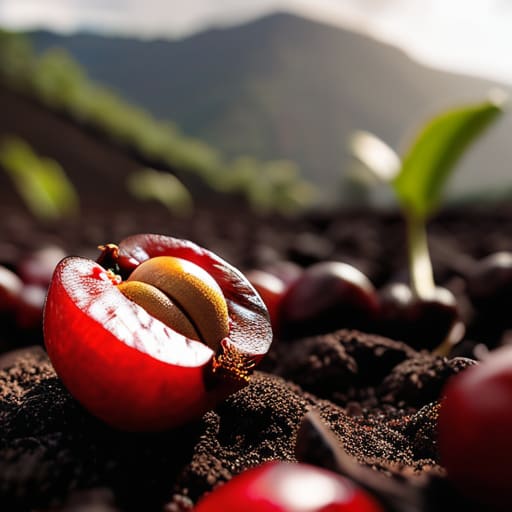
It mostly comes down to the environment. People talk about coffee terroir impact on flavor like it’s some mystical concept, but it’s actually just biology. If the rains come too late in Huila, or if the altitude gets a bit too warm during the ripening stage, the cherry doesn’t develop its sugars the same way. You end up with a bean that’s chemically different from the one you brewed twelve months ago.
Then there are the annual coffee crop fluctuations caused by the weather. One year, a perfect dry season allows for a clean, predictable harvest. The next, a heavy cloud cover might stall development. I’ve seen entire lots go from tasting like vibrant citrus to something much more muted and earthy just because the sun didn’t hit the trees at the right time.
Even the way the farmers handle the fruit changes. Sometimes they tweak the fermentation time or switch up the washing process to compensate for a tricky harvest. It’s not always a choice; sometimes it’s a necessity. At the end of the day, you’re drinking a snapshot of a specific moment in time.
The Brutal Reality of Annual Coffee Crop Fluctuations in My Cup
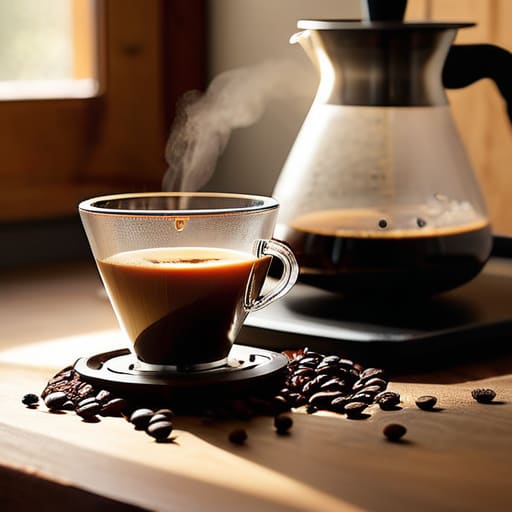
I looked at my notes from last Tuesday. I used the same grinder, the same water, and the same V60. But the cup felt heavy, almost muddy. It’s the same farm, the same altitude, but the annual coffee crop fluctuations are hitting my morning ritual hard this season. You can read all the technical papers you want about soil composition, but when you’re standing in your kitchen at 7:00 AM, you just taste the difference.
Sometimes the weather plays tricks. A bit too much rain during the flowering stage, or a heatwave right before the cherries ripen, and suddenly that crisp acidity I usually look for is gone. We talk about coffee terroir impact on flavor like it’s a static thing, a fixed fingerprint. It isn’t. It’s a moving target. One year the soil gives you blueberry and jasmine; the next, it gives you something much more muted and earthy. It’s frustrating, sure, but it’s also why I don’t buy a single bag of beans without tasting it first.
How Climate Change and Coffee Quality Are Ruining My Mornings
It’s getting harder to find that consistent brightness I crave. I used to rely on certain high-altitude lots to give me that predictable acidity, but the weather is playing havoc with the trees. When the rains come too late or the heat spikes during the flowering stage, the cherries don’t develop the same density. This isn’t just some abstract theory; I can taste the lack of complexity. The direct link between climate change and coffee quality is becoming a daily reality in my kitchen.
I’ve noticed that even when the beans look fine, the flavor profile feels hollow. It’s often a result of how the plants react to stress, which fundamentally alters the coffee terroir impact on flavor. If the temperature swings too wildly during the ripening period, the sugars just don’t settle in the way they should. You end up with a cup that feels thin or uncharacteristically bitter. It’s frustrating because no amount of expensive gear or precise pouring can fix a bean that simply didn’t have the right environment to grow properly.
Chasing the Ghost of Coffee Terroir Impact on Flavor Profiles
We talk about terroir like it’s a magic spell. We imagine the volcanic soil or the altitude of a specific hillside imprinting its soul onto the bean. And sure, the soil composition and coffee taste connection is real. But terroir isn’t a static thing you can just bottle. It’s a moving target. I’ve had bags from the same farm in Kenya that tasted like bright red currants in 2022, only to taste like dull, earthy tea in 2023. The dirt didn’t change overnight, but the way the plants interacted with it did.
It’s frustrating when you’re trying to recreate a specific profile. You find a bean you love, you buy the same farm, and then—boom—the flavor is gone. Often, it’s not even the soil. It’s the coffee processing method variations that shift between harvests. One year the farmer might use a natural process to lean into fruitiness; the next, they might switch to a washed process to manage a heavy rain season. You aren’t just drinking a place; you’re drinking a specific moment in time.
When Soil Composition and Coffee Taste Simply Dont Align
We like to talk about terroir like it’s a magical, unchanging spirit living in the dirt. We imagine that if a farm is in the shade of a specific mountain in Colombia, the coffee will always taste like red currant and honey. But dirt isn’t static. Soil composition and coffee taste are tied to a cycle that doesn’t care about our flavor notes. One year, a heavy rainy season might leach certain minerals out of the topsoil, or a particularly dry spell might concentrate the acidity.
I’ve seen it happen with my own bags. I’ll buy a lot from a specific hillside that I’ve loved for three years, expecting that familiar brightness, only to find it tastes heavy, almost muddy. It isn’t the roaster’s fault, and it isn’t my grinder. It’s just that the ground itself provided a different nutrient profile this time around. We try to map out the coffee terroir impact on flavor with these neat little charts, but nature is much more chaotic than a tasting menu. Sometimes, the soil just decides to give us something else entirely.
Decoding Coffee Processing Method Variations and Seasonal Coffee Harvest Cy
It isn’t just the dirt or the weather, though. A huge part of the mystery lies in how the cherries are handled once they leave the tree. I’ve noticed that even with the same farm, a shift in coffee processing method variations changes everything. Last year, I had a washed Kenyan that was all crisp acidity and tea-like clarity. This year, the same producer switched to a natural process. The result? It’s heavy, funky, and almost fermented. It’s the same origin, but the method dictates the soul of the cup.
Then you have the timing. Seasonal coffee harvest cycles aren’t as predictable as they used to be. If a harvest hits during an unusually wet period, the cherries sit longer, or they get processed differently just to save the crop. You end up with a bean that lacks that tight, clean finish you were expecting. I don’t care how much I paid for my grinder; if the processing is inconsistent due to a messy harvest, the cup will reflect that. You can’t brew your way out of a badly processed lot.
The Bottom Line
At the end of the day, you can’t fight the variables. We’ve talked about everything from the shifting soil chemistry to the way a slightly wetter harvest forces a different processing method. You can buy the most expensive grinder on the market or obsess over your water temperature, but you can’t manufacture the terroir that a specific year provides. If the beans are different because the rains were late or the altitude felt different this season, your cup will reflect that. It’s not a failure of your technique; it’s just the unpredictable reality of agriculture hitting your kitchen counter.
I used to think I could find the “perfect” bean and just keep buying it forever. I was wrong. The magic of single origin isn’t about consistency—it’s about the temporary window of flavor we get to experience before it shifts. Instead of mourning the jasmine notes that disappeared from last year’s lot, I’ve learned to just enjoy whatever is in the bag right now. Stop chasing a ghost of a flavor profile that doesn’t exist anymore. Just brew the coffee, embrace the change, and see what shows up in the cup this morning.