I spent three years as a head barista watching people lose their minds over shiny chrome. They’ll spend half a year’s rent on a machine with a touchscreen and a Bluetooth connection, convinced it’s the magic key to the perfect shot. But here is the truth nobody tells you in the glossy brochures: most of that extra cash goes toward features you don’t need and marketing that smells like desperation. I’ve sat through enough tastings to know that what you actually get when you spend more on an espresso machine is often just more variables to mess up.
I’m not here to sell you a dream or help you justify a bad purchase. My goal is simple: I want to tell you exactly where the money actually goes and, more importantly, where it is a total waste. I’ll tell you if a dual boiler actually changes your morning ritual or if it just makes your kitchen look like a laboratory. If a thousand-euro upgrade doesn’t show up in the actual taste of the coffee, I’m going to tell you to keep your money in your pocket.
The Expensive Truth What You Actually Get When You Spend More
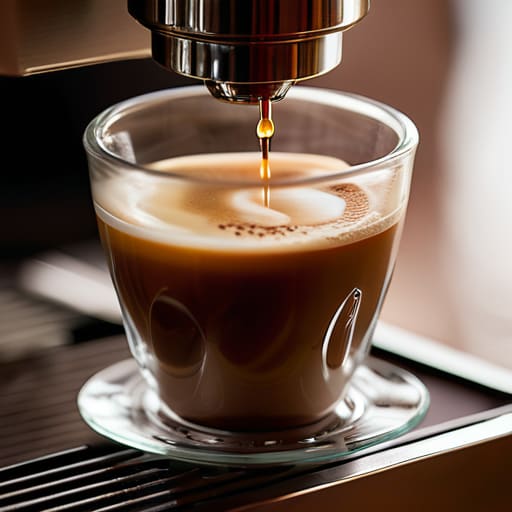
Most people think a higher price tag buys better flavor. It doesn’t. It buys stability. When I was working behind a bar, the difference between a cheap machine and a pro unit wasn’t that the expensive one made “better” coffee; it was that it made the same coffee every single time. You start paying for espresso extraction consistency. On a budget machine, your temperature might swing five degrees between shots. On a high-end rig with PID temperature control benefits, that fluctuation disappears. You aren’t chasing a new flavor; you’re just stopping the machine from ruining a good bean.
Then there is the hardware. You’ll see terms like commercial grade espresso components thrown around to justify a massive bill. Usually, this means you’re paying for a heavy brass group head or a massive boiler that stays hot all day. It’s a matter of thermal mass. If you are pulling one shot a morning, a single boiler is fine. If you want to steam milk for a latte while your shot is still brewing, you need a dual boiler. Otherwise, you’re just standing there waiting for the machine to catch its breath.
Chasing Perfection Does Commercial Grade Espresso Components Matter
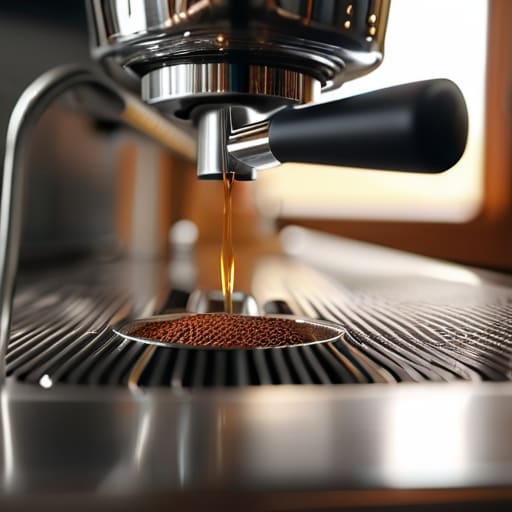
I spent a week testing a machine loaded with commercial grade espresso components—the kind of heavy, stainless steel stuff that feels like it could survive a car crash. In a cafe, that durability matters. You’re pulling two hundred shots a day. At home? It mostly just means your kitchen counter is going to feel a lot heavier. The real difference isn’t the weight, though; it’s the thermal stability.
When you move into higher-end territory, you usually face the dual boiler vs single boiler debate. I noticed that with a single boiler, I’m constantly playing a game of temperature Tetris, waiting for the machine to recover after steaming milk. With a dual boiler, that struggle vanishes. You get consistent espresso extraction every single time, regardless of whether you’re steaming milk for a latte right after a shot. It removes the guesswork. For some, that’s worth the extra zero on the price tag. For me, it’s just one less thing to worry about while I’m still half-asleep.
The Build Quality Test Heavy Metal or Just Heavy Price
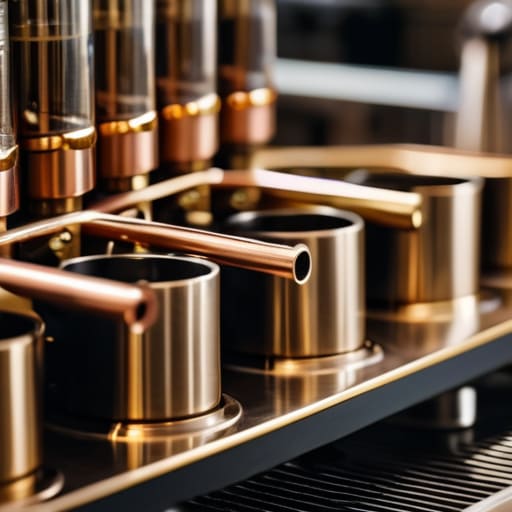
I spent a week comparing a lightweight plastic-heavy consumer model to a heavy, stainless steel beast. There is a certain satisfaction in a machine that feels like it could survive a fall from a balcony. But let’s be real: weight doesn’t equal flavor. Most of the extra cost in high-end gear goes into the internal plumbing. You aren’t just paying for a shiny chassis; you are paying for brass boilers and thicker tubing that minimize heat loss.
When I look at espresso machine build quality, I look past the chrome. I look for how the machine handles the stress of back-to-back shots. A cheap machine might struggle with thermal stability after the third cup, but a high-end setup stays rock solid. This is where the PID temperature control benefits actually show up. It’s not about the heavy metal; it’s about whether the water temperature stays exactly where I set it while I’m pulling a shot. If the machine can’t hold its heat, all that heavy steel is just a very expensive paperweight.
Dual Boiler vs Single Boiler a Real Taste Difference
I spent three years behind a bar where the machine never stopped screaming. Back then, a dual boiler was a given. At home, it’s a massive decision. If you’re a single-shot drinker who likes to linger over a pour-over, a single boiler is fine. You wait, you brew, you steam. It’s a slow dance. But if you’re making lattes for a house full of people, that waiting game becomes a headache.
The real magic isn’t just about speed, though. It’s about espresso extraction consistency. In a single boiler, the temperature swings every time you flip the steam switch. One shot is bright and acidic; the next is sour and under-extracted because the water lost its heat. A dual boiler keeps the brewing temperature locked in while you steam. When you add PID temperature control benefits to the mix, you stop guessing. You actually know what’s happening inside the group head. Is it worth the extra thousand dollars? If you want to pull a shot and steam milk at the exact same time without the temperature tanking, yes. If you’re just drinking one espresso a morning, keep your money.
Pid Temperature Control Benefits Precision or Just Marketing Fluff
Most people see “PID” on a spec sheet and think it’s some magical incantation for the perfect shot. In reality, it’s just a digital thermometer and a brain that tells the heater when to kick in. Without it, you’re playing a guessing game with a traditional thermostat, praying that your water temperature hasn’t drifted five degrees since your last shot. If you’re chasing espresso extraction consistency, that drift is your worst enemy. One shot tastes bright and sour; the next tastes bitter and burnt, all because the boiler decided to take a nap.
I’ve spent enough time behind a bar to know that stability is everything. When you move into the territory of commercial grade espresso components, the PID is what keeps the temperature rock-steady. Does it make the coffee taste “expensive”? Not inherently. But it stops the machine from sabotaging you. If you’re a hobbyist who likes to dial in light roasts, you’ll notice the difference. If you just want a quick, dark espresso to wake you up, it might just be expensive marketing fluff for your specific kitchen.
Winning the Extraction Battle Improving Espresso Extraction Consistency
I spent years watching baristas chase the perfect shot, only to realize that most of the struggle isn’t about the machine’s price tag, but its ability to stay stable. When you’re running a cheap machine, the temperature fluctuates every time you pull a shot. You might get a great one, then the next one tastes like sour battery acid because the boiler gave up. This is where espresso extraction consistency actually becomes a measurable thing. High-end machines don’t necessarily make the coffee better; they just make it the same every single time.
If you’re moving from a budget setup to something more serious, you’re paying for the machine to stop fighting you. It’s about reducing the variables. You want to know that when you hit the button, the water hitting the grounds is exactly what you dialed in. I’ve found that most people obsess over steam wand power and texture for their lattes, but the real magic is in the stability of the brew. If the machine can’t hold its ground, you’re just gambling with your beans.
Steam Wand Power and Texture the Only Real Luxury
Most people focus on the shot, but they forget the milk. If you’re just drinking black coffee, you don’t need a beast of a machine. But if you make lattes every morning, this is where the money actually matters. Cheap machines often struggle to maintain pressure; you start steaming, and suddenly the temperature drops or the steam turns into a weak, sputtering mess. It’s frustrating.
When you step up to something with commercial grade espresso components, the difference is immediate. It isn’t just about speed. It’s about the texture of the microfoam. A high-end machine delivers a consistent, dry, powerful blast of steam that lets you create that silky, wet-paint texture without waiting five minutes for the boiler to recover.
I’ve tested machines where the steam wand felt like a dying breath, and others that felt like a professional cafe. If you are looking at the dual boiler vs single boiler debate, this is the real deciding factor. One lets you pull a shot and steam simultaneously without a fight. That’s not just a luxury; it’s how you actually enjoy your morning.
The Final Pour
So, where does that leave us? We’ve looked at the heavy hitters: PID controllers, dual boilers, and the sheer brute force of commercial steam wands. Most of these upgrades aren’t about making a “better” coffee in a vacuum; they are about removing the variables that ruin a good shot. A more expensive machine won’t turn cheap, oily supermarket beans into liquid gold, but it will stop your expensive specialty beans from tasting sour one minute and bitter the next. If you want consistency and the ability to steam milk like a pro without waiting ten minutes for the boiler to recover, you pay the tax. But if you’re just looking for a magical flavor boost, your wallet is probably better off staying closed.
At the end of the day, I don’t care how much your setup cost. I care about the cup sitting in front of me. I’ve seen guys with five-thousand-dollar setups pull mediocre shots because they were too busy reading manuals to actually learn the craft. Don’t let the gear become a substitute for the ritual. Buy the machine that fits your kitchen and your budget, then get to work. The best espresso isn’t found in a spec sheet; it’s found in the perfect balance of a well-dialed shot and a quiet morning in your own kitchen. Go brew something good.