
I spent three years in a high-end shop in Budapest listening to guys in expensive aprons lecture customers about how everything changes when you go up a mountain. They love to use big words to explain coffee at altitude and why it tastes different, usually while charging you five euros for a pour-over. Honestly? Most of that talk is just marketing fluff designed to make a simple concept feel like rocket science. I’ve tasted enough “high-altitude gems” to know that sometimes, all you’re really paying for is a fancy label and a higher shipping bill.
I’m not here to sell you on the magic of the mountains. I’m here to tell you what actually happens when those beans hit your grinder. I’ve spent the last week brewing the same varieties from different elevations in my own kitchen to see if the science actually holds up to the sensory reality. I’ll tell you which elevation changes the acidity and which ones are just a total waste of your money. If the altitude didn’t change the cup, I’ll tell you that, too.
I Chased the Flavor Up the Mountain to Find It
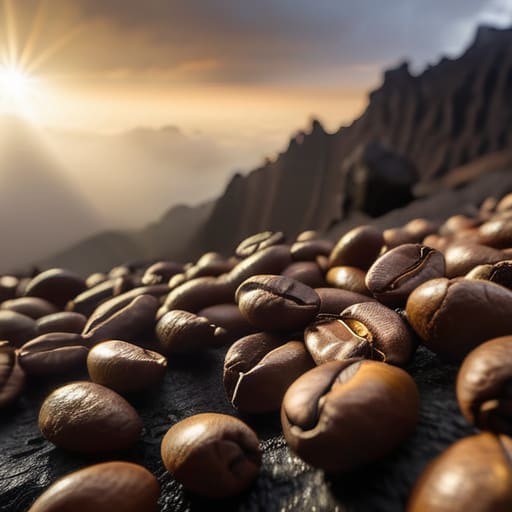
I started with a bag of Ethiopian Yirgacheffe from a high-altitude farm and compared it to a lower-growing Brazilian roast I keep for milk drinks. The difference wasn’t just in the notes; it was in the structure. The Ethiopian beans felt harder, almost stony, which makes sense when you consider coffee bean density and altitude. At those heights, the cherries don’t just grow; they struggle.
That struggle is where the magic happens. Because the air is thinner and the nights are colder, the fruit undergoes a slow maturation process. Instead of rushing to ripen, the sugars develop deeply. I brewed them both using the same V60 setup, but the high-altitude cup had this bright, phosphoric acidity that the Brazilian lacked. It wasn’t just “fruitier”—it was more complex.
I also looked into how the environment shapes the bean itself. It’s not just the air; the soil composition at high altitudes often provides a mineral backbone that you just don’t get in the lowlands. When I sipped the high-altitude brew, I could taste that clarity. It felt cleaner, less muddy, and much more intentional.
Why Coffee at Altitude and Why It Tastes Different Matters
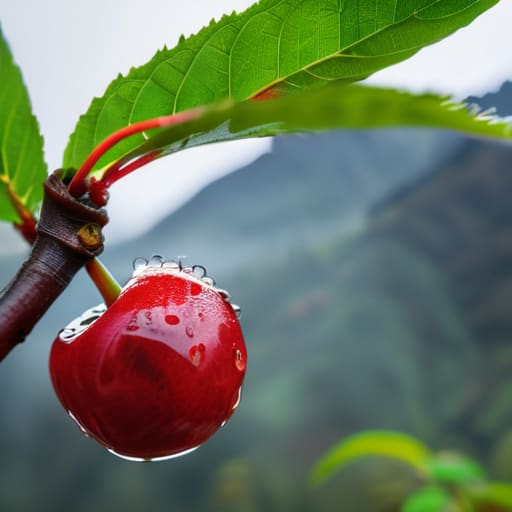
It boils down to how much time the cherry gets to hang on the branch. At higher elevations, the air is thinner and the nights are much colder. This environmental stress forces a slow maturation coffee flavor profile. Instead of rushing to ripen, the plant takes its time, packing more complex sugars and acids into the seed. When I taste a bean from a high-altitude farm, I’m tasting that patience.
There is also the physical matter of the bean itself. Higher elevations generally lead to greater coffee bean density and altitude correlation. Because the plant works harder to survive the climate, the cells are more tightly packed. This density is what makes a massive difference during the roast. A dense bean can handle higher heat without turning into ash, allowing us to pull out those bright, acidic notes that define specialty coffee. If you’re drinking something from the lowlands, you’re likely getting something more forgiving, but much less interesting. It’s the difference between a marathon runner and a sprinter; one is built for endurance and complexity, the other just wants to get the job done.
The Brutal Truth About Arabica vs Robusta Elevation Requirements
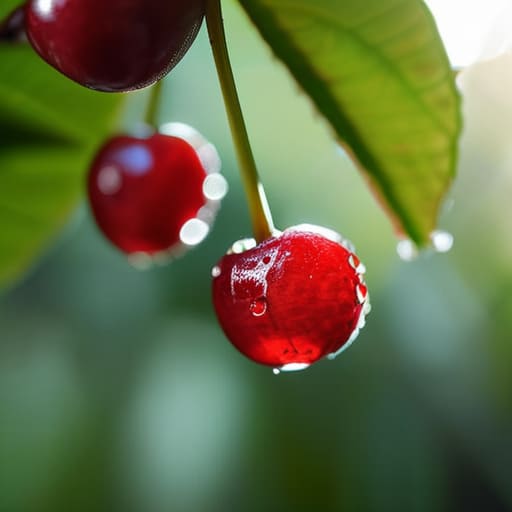
The industry loves to talk about altitude like it’s some magic spell, but the biology is actually quite brutal. When we look at arabica vs robusta elevation requirements, the divide is massive. Robusta is a tough, low-lying survivor. It thrives in the heat of the lowlands, growing fast and producing a high caffeine kick, but it lacks any real nuance. It’s the heavy lifter, not the artist.
Arabica, on the other hand, is a bit of a diva. It needs the cool air and the thin atmosphere of the highlands to actually perform. This is where coffee bean density and altitude come into play. At higher elevations, the cherries don’t just grow; they struggle. The cooler temperatures force a slow maturation coffee flavor profile, meaning the sugars and acids have more time to develop inside the seed. If you try to grow high-end Arabica in the lowlands, you just get a thin, boring cup that tastes like nothing. It’s not about preference; it’s about the plant’s ability to build complexity under pressure.
How Slow Maturation Coffee Flavor Profile Beats the Cheap Stuff
Think of it like ripening a fruit. If you grow a tomato in a greenhouse in mid-winter, it’s fast, soft, and tastes like nothing. But a tomato grown in a garden through a long, slow summer? That’s different. Coffee works the same way. At higher elevations, the nights are cold. This temperature drop forces the plant to slow down. Instead of rushing to finish, the cherries take their time. This slow maturation coffee flavor profile is where the magic happens; the plant has more time to pack complex sugars and acids into the seed.
When you compare this to beans grown in the lowlands, the difference is structural. Low-altitude beans often grow too fast, resulting in a lack of complexity. High-altitude beans have much higher coffee bean density and altitude correlations, meaning the cells are packed tighter. When I brew these denser beans, I get a clarity of flavor that cheap, fast-grown crops just can’t touch. The cheap stuff is often just bitter, while the slow-grown stuff actually has something to say.
The Science of Coffee Bean Density and Altitude
Here is the reality of the bean itself. When you move up a mountain, the air gets thinner and the nights get much colder. This isn’t just about the view; it’s about how the plant survives. In these high-altitude specialty coffee growing regions, the coffee cherries can’t just rush through their life cycle. The cold temperatures force the plant to work harder, which directly affects coffee bean density and altitude.
A bean grown in a tropical lowland is often soft and porous, like a sponge. But a high-altitude bean? It’s hard, compact, and packed with complex sugars. I’ve noticed that when I grind these denser beans, they actually feel different in the hand—more substantial. This structural change is the secret sauce. Because the cells are so tightly packed, they hold onto those acidity and sweetness compounds much more effectively. If you’re brewing something with low density, you’re often just drinking watery, thin flavors that disappear the moment you add milk. High density means more substance to fight against your water.
How the Impact of Temperature on Coffee Ripening Changes Everything
It isn’t just about the thin air or the view. The real magic happens because of the thermometer. When you move up into those higher specialty coffee growing regions, the nights get cold. This temperature swing is the secret sauce. Instead of the cherries ripening in a frantic, sugar-fueled rush, the chill forces the plant to slow down. This impact of temperature on coffee ripening is what creates those complex acids we all chase.
If the weather is too warm, the fruit matures too fast. You end up with a bean that’s technically ripe but lacks any real character—just flat sweetness. But in the mountains, that slow crawl toward maturity allows the sugars and organic acids to develop deep, layered profiles. It’s the difference between a cheap, rushed snack and a slow-cooked meal. To me, a slow maturation coffee flavor profile is the only way to get those bright, citrusy notes that actually make a morning brew interesting. If the temperature doesn’t force the plant to work for its flavor, you’re just drinking expensive water.
Tracing Specialty Coffee Growing Regions Back to the Soil Composition
It’s easy to get obsessed with the meters above sea level, but elevation is just half the story. You can have the perfect altitude, but if the ground underneath is tired or nutrient-poor, the bean won’t have anything to build itself with. I’ve spent enough time looking at bags from different specialty coffee growing regions to know that the dirt matters just as much as the air. In places like Ethiopia or parts of Colombia, the volcanic soil provides a mineral richness that you simply can’t replicate in a flat, sedimentary basin.
When you look at the soil composition at high altitudes, you’re often looking at something incredibly well-draining and packed with organic matter. This is crucial. If the roots sit in stagnant, nutrient-heavy mud, the plant grows too fast and loses that complex acidity we crave. Instead, the minerals in volcanic earth feed the plant just enough to support that slow maturation coffee flavor profile we talked about earlier. It’s a delicate balance: the right soil gives the bean the fuel to actually express the terroir that the altitude helped create.
The Bottom Line
We’ve covered a lot of ground, from bean density to the way a slow ripening process builds complex sugars. At the end of the day, altitude isn’t just a number on a bag of beans; it is the fundamental reason why one cup tastes like a flat, bitter mess and the next tastes like bright citrus and jasmine. You can buy the most expensive grinder in the world, but if you aren’t paying attention to where those beans actually grew, you’re missing half the story. It all comes down to that density—the harder, more compact the bean, the more potential flavor is packed into every single grind.
Don’t get too caught up in the charts and the science, though. I spent years obsessing over every technical detail behind a bar, and I’ve learned that the most important thing is still just the liquid in your mug. Next time you’re at your local roaster, look at the elevation on the label. Don’t just buy it because it’s expensive; buy it because you want to taste the difference that a mountain slope makes. Coffee is a wild, living thing, and sometimes the best way to respect it is to simply stop and taste the altitude.