I spent three hundred euros on a precision temperature controller last month just to see if it would change my slow-steeped immersion brew. It didn’t. Most people will tell you that the weekend brew that takes longer on purpose requires a laboratory setup and a PhD in chemistry to get right. They want you to believe that if you aren’t tracking every single degree of thermal stability, you’re doing it wrong. Honestly? It’s mostly nonsense designed to sell more gear.
I’m not here to sell you a lifestyle or a fancy new kettle. I just want to tell you what actually happened in my kitchen this Saturday morning. I’m going to walk you through a few different long-extraction methods I tested, and I’ll tell you exactly which ones actually improved the flavor and which ones were just a massive waste of my time. No hype, no expensive gadgets required—just the truth about what ends up in your cup.
Understanding the Weekend Brew That Takes Longer on Purpose
Most people drink coffee to wake up. I drink it to slow down. During the week, I’m a machine; I hit a button, grab my mug, and head for the door. But on Saturdays, I lean into the slow coffee lifestyle. This isn’t about being precious or performing for Instagram. It’s about the physics of the cup. When you extend the coffee extraction time, you aren’t just waiting around; you are giving the water more opportunities to find the sugars and acids hidden in the bean.
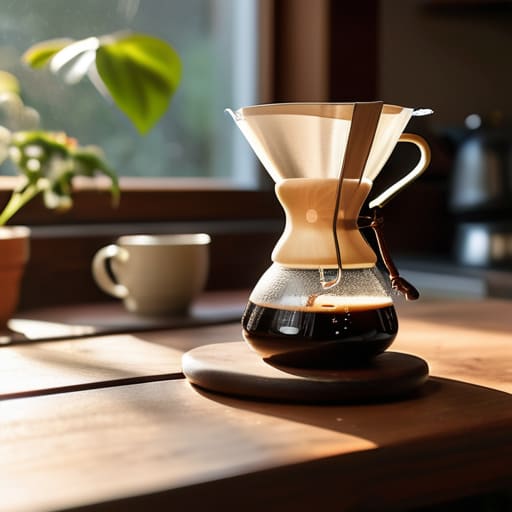
I usually experiment with different pour over coffee techniques when I have the time. On a Tuesday, I might rush a V60 just to get caffeine in my system. On a Sunday, I might try a long, gentle bloom or a slower pour to see if I can pull out a specific note of stone fruit that a fast brew missed. It’s a mindful morning coffee ritual that actually yields results. Sometimes the extra five minutes makes a world of difference. Other times, it’s just a waste of hot water. I’ll tell you which one it is.
Key Things to Know
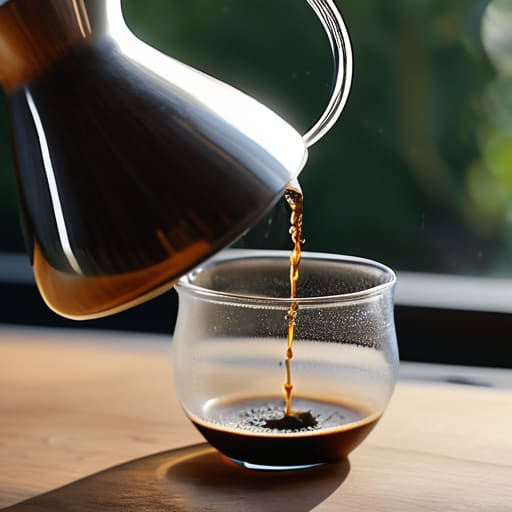
First, don’t mistake this for just being lazy. When we talk about the slow coffee lifestyle, we aren’t just killing time; we are manipulating how the water interacts with the grounds. Most weekday mornings are a race against the clock, where you settle for whatever extraction happens in two minutes. But on a Saturday, I want to play with the coffee extraction time. I want to see what happens when I extend the bloom or slow down the pour to a trickle.
You also need to realize that more time doesn’t always mean “better.” It’s a delicate balance. If you push the contact time too far, you stop getting sweetness and start getting that heavy, bitter astringency that ruins a good bean. The real manual coffee brewing benefits come from having the patience to find that sweet spot where the acidity is bright but the body feels silky. It’s about control, not just waiting around for a kettle to boil.
Practical Tips and Steps
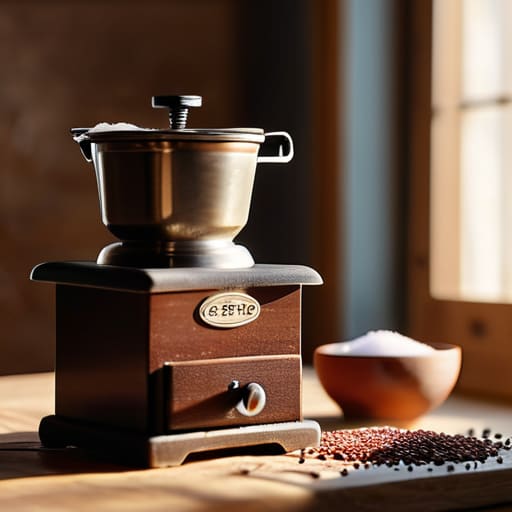
First, don’t overthink the gear. You don’t need a $3,000 grinder to enjoy a slow coffee lifestyle. I used my old hand grinder this morning—the one I spent three hours fixing last Sunday—and the results were identical to using the electric one. The real trick is your grind size. Since we are extending the contact time, you need to go coarser than your usual daily drip. If you keep your standard fine setting, you’ll end up with a cup that tastes like bitter ash. Aim for something that looks like kosher salt.
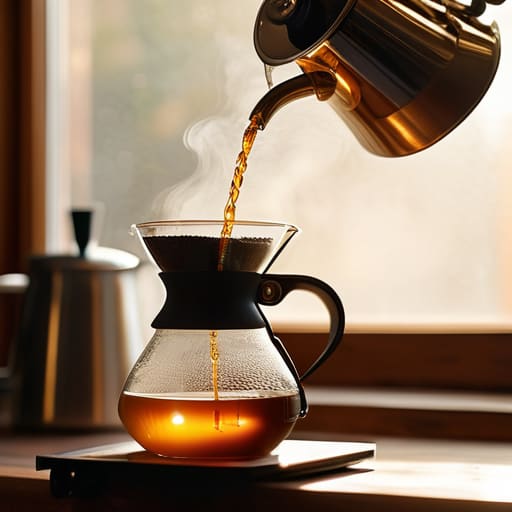
Once you have your setup, focus on the temperature. I stopped using boiling water ages ago; it just scorches the beans. Let your kettle sit for a minute or two after it whistles. This is where the manual coffee brewing benefits actually show up. A slower, more controlled pour allows the water to gently pull the sweetness out without the harshness. I tried a heavy agitation technique yesterday, pouring like a madman to speed things up, and it actually ruined the clarity. Keep it steady, keep it slow, and let the water do the heavy lifting.
Common Mistakes to Avoid
The biggest mistake I see is people treating this like a science experiment gone wrong. They get so obsessed with the clock that they forget to actually taste the coffee. If you’re following a long-steep method but your water temperature is swinging wildly, you’re just wasting time. You can’t rely on a timer to fix bad technique. If your grind is too fine, that extra time won’t make it sweet; it’ll just make it bitter and unpleasant.
Another trap is trying to rush the process because you’re feeling impatient. This isn’t about speed; it’s about embracing the slow coffee lifestyle. I’ve seen people try to “cheat” by adding more heat to compensate for a shorter brew, but it never works. You end up with a cup that tastes hollow. Instead, focus on your specialty coffee preparation by keeping things consistent. If you start tweaking the temperature and the grind size at the same time, you’ll never actually know what worked. Pick one variable, stick to it, and let the clock do its job.
Final Thoughts
At the end of the day, I don’t care if you use a fancy scale or a timer that costs more than my first car. What matters is that you actually taste the coffee. This whole process—the extra time, the deliberate movements—it isn’t about being a perfectionist. It’s about the slow coffee lifestyle. If you spend twenty minutes tinkering with your grind size only to end up with a cup that tastes like battery acid, you’ve wasted your Saturday.
I’ve learned that the best part of these long sessions isn’t even the caffeine hit. It’s the quiet. It’s a mindful morning coffee ritual that forces you to stop scrolling through your phone and just exist for a second. Whether you are perfecting your pour over coffee techniques or just trying to make a decent cup of Ethiopian beans, don’t let the gear get in the way. If the extra coffee extraction time doesn’t make the cup better, stop doing it. Keep it simple. Drink the coffee.
The Last Sip
So, here is the reality of the long brew. You don’t need a thousand-euro grinder or a laboratory-grade scale to make this work. You just need patience and a willingness to mess with your variables. I’ve learned that watching the clock and adjusting your grind size or water temperature can turn a mediocre bean into something actually worth waking up for. If you mess up the ratio or let it steep too long and it tastes like bitter ash, don’t sweat it. That is just part of the process. At the end of the day, the goal is to see if those extra minutes actually change the flavor in your cup, not to follow a recipe perfectly.
My advice? Stop reading the guides for a second and just go brew something. The gear is fun, and the science is interesting, but the whole point of this hobby is the liquid in the mug. Don’t get so caught up in the ritual that you forget to enjoy the drink. Some mornings, the long brew is a masterpiece. Other mornings, it’s just a lot of extra cleaning for no reason. Both are fine. Just keep experimenting, keep tasting, and remember that the best cup of coffee is the one you actually enjoy drinking while sitting down.