I spent three years behind a high-end bar in Budapest watching people spend fifty euros on a single bag of beans, only to pour them into a chipped, thick-walled mug that held heat like a brick. It’s a joke. We obsess over water chemistry and burr geometry, but we completely ignore the cup you reach for and why it matters. Most coffee nerds will tell you that the vessel is just a container, but they’re wrong. If you’re drinking a delicate Ethiopian light roast out of a heavy, opaque stoneware mug, you aren’t actually tasting the coffee; you’re just drinking hot liquid.
I’m not here to sell you a designer ceramic set that costs more than my rent. I’ve spent the last week testing everything from thin glass to heavy porcelain to see which ones actually let the flavors breathe. I’ll tell you exactly which shapes help the aroma hit your nose and which ones just make the coffee go cold too fast. This isn’t about aesthetics or looking good on Instagram. It’s about what actually changes the taste in your mouth.
The 80 Ceramic vs My Scratched Mug Did the Sip Change
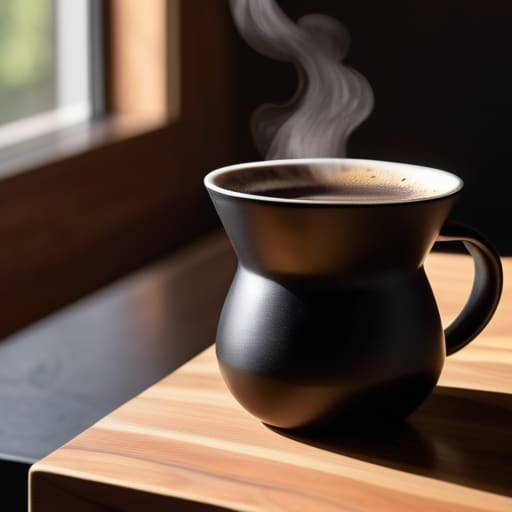
I bought a heavy, matte-black ceramic mug last Tuesday. It cost eighty bucks. It feels expensive, looks great on a shelf, and has a weight that suggests it belongs in a museum. To test it, I brewed the same Ethiopian Yirgacheffe I’ve been drinking all week. I used the same V60, the same grind, and the same beans.
The result? The coffee tasted exactly the same. No hidden notes of jasmine suddenly appeared because the clay was thicker. No acidity spiked because the rim was wider. If you’re looking for a flavor revolution, don’t look at your cupboard.
However, something else shifted. There is a specific tactile connection to objects that changes how I sit with my brew. Holding the heavy ceramic feels like an anchor. It forces a certain mindfulness in daily habits that my chipped, lightweight mug just doesn’t command. The expensive cup didn’t change the chemistry, but it changed my pace. I stopped scrolling through my phone and actually sat there. Sometimes, the gear isn’t about the liquid; it’s about how you treat the time.
The Cup You Reach for and Why It Matters to My Morning

I used to think the vessel was just a container. In the cafe, we used standard white ceramic because it was efficient and easy to wash. But after years of rushing through shifts, I realized something about the sensory experience of drinking that I missed when I was behind the bar. It isn’t just about the liquid; it’s about how the weight of the object feels in your palm before you even take a sip.
When I wake up, I don’t want a thin, flimsy glass. I want something with heft. There is a certain tactile connection to objects that settles my brain. If I pick up a heavy, textured stoneware mug, my pace slows down. I’m not just consuming caffeine to survive the commute; I’m actually present for the first five minutes of the day.
It sounds a bit lofty, but it’s really just about the psychology of morning rituals. If I use a chipped, lightweight mug, I feel like I’m rushing. If I use the good one, I feel like I’ve actually started my day. It’s a small thing, but it changes the mood.
Tactile Connection to Objects Why Weight Matters in the Hand
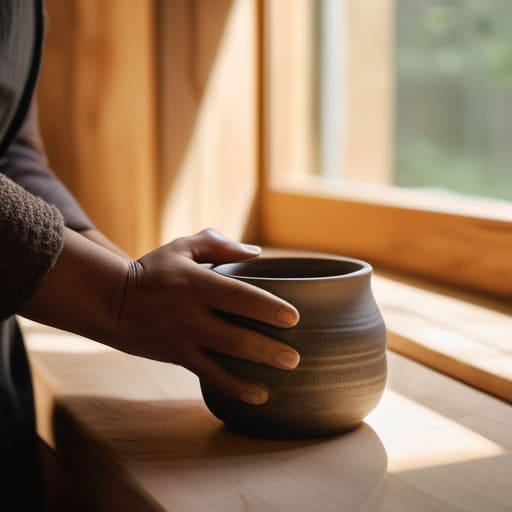
I’ve spent years holding heavy, professional-grade ceramic mugs in loud cafes, but something changed when I started brewing at my own kitchen table. It’s not just about the heat retention or the rim thickness. It’s the weight. There is a specific sensory experience of drinking that happens when a cup has enough heft to feel intentional. When I pick up a heavy, stoneware mug, my hands settle. It forces a certain stillness. If I grab a flimsy, paper-thin cup, I find myself rushing, sipping while I pace around the kitchen.
The weight acts as a physical anchor. It’s a small part of the psychology of morning rituals that most people ignore. You don’t notice it until you switch from a heavy vessel to something light and hollow. Suddenly, the coffee feels less like a ritual and more like a task to be completed. For me, that extra few ounces in my palm is what signals to my brain that the day has actually begun. It isn’t about being fancy; it’s about the tactile connection to objects that keeps you from drifting off before the caffeine even hits.
The Psychology of Morning Rituals and My First Sip
It’s not just about the caffeine hitting my bloodstream. There is a specific, quiet moment between the first pour and that first swallow where everything settles. I’ve realized that the psychology of morning rituals isn’t about being a monk; it’s about creating a buffer between sleep and the chaos of the day. When I hold a heavy, well-balanced mug, it forces a momentary pause. It’s a physical anchor.
That first sip is the core of the sensory experience of drinking. If I’m using a thin, cheap glass, I’m rushing. I’m gulping. But when the vessel feels right, I actually taste the acidity or the chocolate notes I spent ten minutes dialing in. It turns a mindless habit into a small act of intentional living through small actions. I don’t need a meditation retreat to find focus; I just need five minutes and a cup that doesn’t feel like an afterthought. If the vessel is wrong, the ritual feels broken before it even starts.
Chasing the Sensory Experience of Drinking Without the Hype
We spend so much time obsessing over extraction percentages and water chemistry that we forget the actual sensory experience of drinking. I’ve seen people buy three-thousand-dollar espresso machines just to feel like they’re doing something “right.” But if you’re staring at a digital readout instead of smelling the bloom, you’re missing the point. I’ve learned that the best part of the morning isn’t the technical precision; it’s the moment the heat of the ceramic hits my palms.
It’s easy to get lost in the gear worship, but real mindfulness in daily habits happens when you stop calculating and start noticing. Last Tuesday, I tried a new glass dripper I’d been eyeing. It looked beautiful on the counter, but it felt cold and clinical. I went back to my old, heavy mug. The weight felt grounding. That’s the thing about chasing the hype—sometimes the most expensive tool is just a distraction from the simple, quiet joy of a hot drink in a quiet kitchen.
Mindfulness in Daily Habits Finding Calm in a Single Vessel
I used to rush. Eight years in specialty cafes taught me how to move fast, but it also taught me how to move without thinking. I’d sling lattes like a machine, eyes on the next ticket, never actually tasting the milk or the roast. Now, in my own kitchen, I try to do the opposite. It isn’t about being a monk; it’s about mindfulness in daily habits. When I pick up a specific heavy stoneware mug, it forces a pause. I can’t rush a drink that feels like it has its own gravity.
This is where the psychology of morning rituals actually hits home. If I grab a flimsy paper cup, my brain stays in “commute mode”—fast, loud, and frantic. But if I use that one ceramic piece with the slightly uneven rim, my focus shifts. I notice the heat against my palms and the steam hitting my face. It sounds small, almost silly, but these tiny moments of intentional living through small actions are what stop my brain from spinning out before 9:00 AM. It’s not about the caffeine; it’s about the stillness.
Intentional Living Through Small Actions and Better Morning Routines
I used to rush. I’d grab whatever clean vessel was closest to the sink, gulp down the caffeine, and head out the door while my brain was still buffering. It was efficient, sure, but it felt hollow. Now, I try to practice intentional living through small actions. It sounds lofty, almost pretentious, but it’s really just about choosing the right mug on purpose. When I pick a specific cup, I’m telling my brain that the next ten minutes aren’t for checking emails. They are for the coffee.
There is a real psychology of morning rituals at play here. If you treat your first drink like a chore, your whole day starts with a sense of urgency. But if you slow down to feel the warmth of a heavy ceramic wall, you’re building a buffer against the chaos. It isn’t about the price of the pottery; it’s about the decision to be present. Making that choice—even if it’s just about which handle feels right in my hand—is a tiny, manageable way to reclaim my morning.
The Final Sip
At the end of the day, we’ve looked at everything from the weight of the ceramic in my palm to the strange way a heavy mug makes me slow down my breathing. I’ve spent years behind a bar where the vessels were chosen for durability or speed, not for how they made a person feel. But here, in my own kitchen, I’ve realized that the vessel isn’t just a container for liquid; it’s a tool for presence. Whether you’re using a $80 designer piece or that chipped mug from your university days, the goal is the same: to bridge the gap between the coffee and the person drinking it. If the cup makes you stop and actually taste the acidity instead of just gulping it down while checking emails, then it has done its job.
Don’t go out and spend a month’s rent on a gold-plated espresso cup just because a reviewer told you to. Most of that expensive gear is just noise. The real magic happens when you find the one object that makes your morning feel less like a race and more like a deliberate choice. Find your vessel, hold it with both hands, and just sit there for a minute. The coffee is good, but the quiet moment is what actually matters.