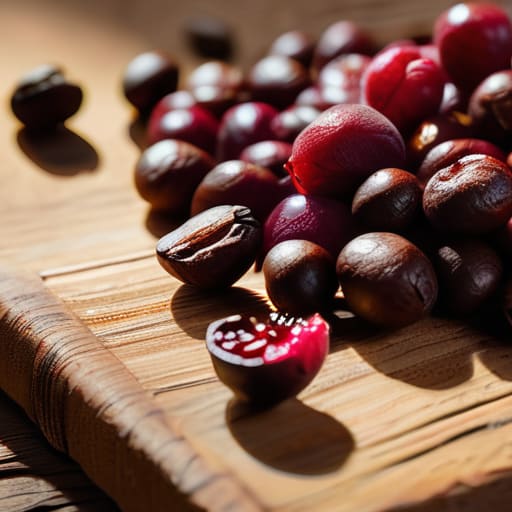
Everyone talks about natural process beans and the fruit notes they carry like they’re some kind of magic trick. You see the bag, you see the fancy “strawberry” or “blueberry” descriptors, and you expect a fruit bowl in your cup. But half the time, I’ve spent twenty minutes dialing in a recipe only to end up with something that tastes like fermented compost. It’s frustrating. We’ve been sold this idea that the process does all the heavy lifting, but a lot of that intense fruitiness is just marketing hype that disappears the moment you hit the right temperature.
I’m not here to sell you on the dream or tell you which $3,000 grinder will “unlock” the magic. I just want to know if it actually works in a standard kitchen setup. This week, I tested three different lots to see which ones actually deliver on those promises and which ones are just expensive distractions. I’ll tell you exactly what happened in my cup, no fluff, just the truth about what’s worth your money.
Understanding Natural Process Beans and the Fruit Notes They Carry
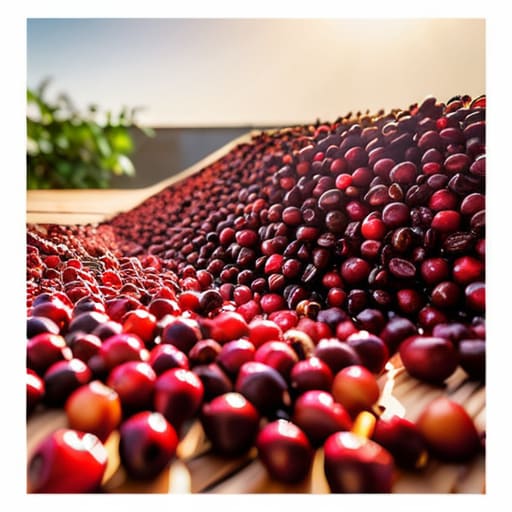
The basics are simple. In the dry processing coffee method, the cherries are laid out in the sun with the fruit still intact. Instead of washing the bean clean, we let it sit in its own skin. This is where the magic—or the mess—happens. The coffee bean mucilage impact is massive here. As the fruit dries, it transfers sugars and complex compounds directly into the seed. It’s a slow, sticky, and somewhat unpredictable dance of chemistry.
When I look at a coffee sensory profile for a natural, I’m usually hunting for those heavy, jammy notes. You get strawberry, blueberry, or even something funkier like dried mango. Lately, I’ve been seeing more anaerobic natural process coffee popping up in my local roasteries. This involves fermenting the cherries in oxygen-free tanks before drying them. It pushes the intensity way up. Sometimes it’s a revelation; other times, it just tastes like a fermented fruit salad that went a bit too far. Either way, it’s never boring.
Key Things to Know
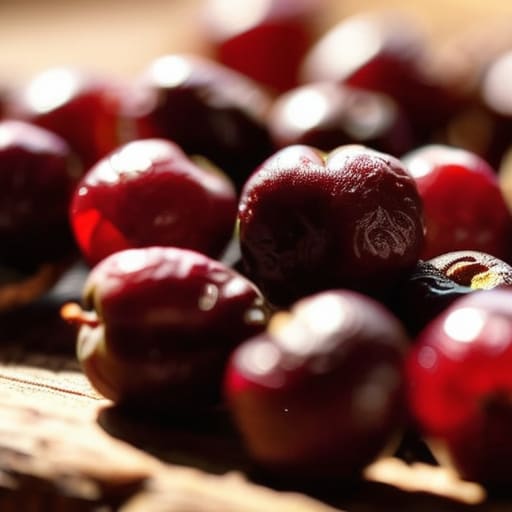
Here is what you actually need to look for when you see these bags on the shelf. First, don’t get blinded by the marketing. The dry processing coffee method is essentially just letting the cherries sit in the sun until they shrivel. Because the bean stays tucked inside the fruit, the fermentation in coffee processing happens right there in the skin. This is where that heavy, syrupy body comes from. It isn’t magic; it’s just chemistry happening while the bean is still “wearing” its sugar.
However, there is a fine line between “fruit notes” and “tasting like a compost bin.” If the farmer didn’t manage the drying perfectly, you won’t get sweetness; you’ll get funk. I’ve had bags labeled as “tropical” that just tasted like overripe garbage. Lately, I’ve been seeing more anaerobic natural process coffee popping up. This is a more controlled, oxygen-free version of the old way. It can push the fruit acidity in coffee to extreme levels—think intense strawberry or even boozy wine notes—but it’s a high-stakes game for the producer.
Practical Tips and Steps

If you’re brewing these at home, stop trying to over-extract them. Because of the coffee bean mucilage impact during the drying stage, these beans tend to be more soluble and prone to bitterness if you’re too aggressive. I usually dial my grinder slightly coarser than I would for a washed Ethiopian. If you start tasting fermented funk or heavy alcohol, you’ve gone too far. Aim for clarity instead.
I’ve found that temperature plays a massive role here. I used to blast everything with boiling water, but with a heavy anaerobic natural process coffee, that just muddled the flavors. Now, I drop my kettle temperature by about three degrees. It helps the fruit acidity in coffee pop without that heavy, muddy aftertaste.
Lastly, don’t ignore your ratio. Since these beans are so dense with sugars, a standard 1:16 might feel a bit syrupy. I’ve been experimenting with 1:17 lately to see if it opens up the floral notes. If the cup feels like a heavy fruit juice, go leaner. If it tastes thin, tighten it up. Keep it simple.
Common Mistakes to Avoid
The biggest mistake I see is people treating these beans like a standard washed coffee. If you use a heavy hand with the temperature or grind too fine, you’ll turn those lovely berry notes into a muddy, fermented mess. The dry processing coffee method relies on a delicate balance; the sugars are sitting right there on the bean, and if you over-extract them, you aren’t tasting fruit anymore—you’re tasting compost.
I’ve also noticed people get blinded by the hype of an anaerobic natural process coffee. These can be intense. If you try to brew them with the same recipe you use for a bright Ethiopian washed, the cup will likely taste “funky” in a bad way. It’s easy to mistake a heavy-handed fermentation for a complex coffee sensory profile.
Lastly, stop ignoring your water. I know, I said I don’t weigh it, but if your water is too hard, it will absolutely mask the delicate fruit acidity in coffee. You can buy the most expensive natural process beans in the world, but if your tap water is aggressive, you’re just wasting good beans.
Final Thoughts
At the end of the day, don’t get too caught up in the technical jargon. You can read all about the fermentation in coffee processing or how the coffee bean mucilage impact changes the sugar levels, but none of that matters if you don’t enjoy the sip. I’ve spent way too much money on high-end scales and precision grinders thinking they’d unlock some hidden magic in these beans. Most of the time, the magic is just in the bean itself.
If you’re trying something like an anaerobic natural process coffee, prepare for a wild ride. The fruit acidity can be intense—sometimes even a bit overwhelming if your grind is too fine. My advice? Just brew it. Start with a standard pour-over, taste it, and then tweak one thing. If you can’t taste the difference between a cheap grinder and a professional one in your specific cup, then save your money. The goal isn’t to have the most expensive setup in the kitchen; it’s to have a damn good cup of coffee before you start your workday.
Final Thoughts from My Kitchen
So, there you have it. Natural process beans are a wild ride. They can deliver those massive, strawberry-jam notes we all chase, or they can turn into a muddy, fermented mess if you don’t respect the chemistry. I’ve learned the hard way that you can’t just throw any grinder at them and expect magic. You need to watch your grind size, keep an eye on your temperature, and most importantly, listen to what the cup is telling you. If the fruit notes are getting lost in a sea of acidity, back off the heat or coarsen the grind. At the end of the day, it’s about finding that sweet spot where the fruit shines without tasting like a science experiment gone wrong.
Don’t get too caught up in the gear or the technical jargon I’ve thrown at you. I’ve spent way too much money on scales and grinders only to realize that the best cup I ever had was just a result of paying attention. Whether you’re using a high-end V60 or a simple French press, the goal remains the same. Stop worrying about whether you’re doing it “correctly” according to some textbook. Just brew the coffee, taste it, and see if you actually enjoy it. If it tastes good, you’ve already won.