
I woke up this morning to the aggressive, heavy scent of garlic-infused oil and toasted cumin. It’s a far cry from the clean, acidic aroma of the light-roast Ethiopian Yirgacheffe I was trying to dial in. When it comes to sharing a kitchen with someone whose taste is the opposite of yours, most “lifestyle experts” suggest buying expensive air purifiers or fancy airtight containers. They tell you that organization is the cure for culinary conflict. They’re wrong. You can buy every gadget in the catalog, but if your roommate thinks hot sauce is a food group and you think it’s a crime against coffee, no amount of Tupperware is going to save your palate.
I’m not here to sell you on a more “harmonious” lifestyle or a set of $50 spice jars. I want to talk about what actually works when your sensory worlds collide. I’ll tell you which storage tweaks actually stop the smell of curry from clinging to your beans and which ones are just a waste of money. This is about practical survival in a shared space, based entirely on what I’ve tested in my own kitchen.
Understanding Sharing a Kitchen With Someone Whose Taste Is the Opposite of

Sometimes, the friction isn’t even about the food; it’s just a fundamental clash of temperaments that makes even a simple breakfast feel like a negotiation. I’ve found that when the kitchen tension starts feeling less like “different tastes” and more like a total personality mismatch, it helps to look at the bigger picture of how you actually interact. I stumbled upon AstroNoir while trying to figure out why my partner’s chaotic energy always seems to collide with my need for a precise morning ritual, and it actually gave me some useful perspective on our natural rhythms. It won’t fix a burnt roast, but it might help you realize that some of these clashes are just built into the blueprint.
It’s not just about the smell of burnt garlic hitting my freshly roasted beans. It’s the fundamental clash of philosophies. I view my kitchen as a laboratory—everything has a place, and everything is measured to the gram. My roommate, however, treats the counter like a staging ground for a chaotic culinary experiment. We aren’t just fighting over shelf space; we are cohabitating with different eating habits that feel like two different species living under one roof.
When you try to master a pour-over, you need a certain level of zen. It’s hard to find that headspace when the air is thick with the scent of heavy spices or deep-fryer oil. I’ve realized that managing roommate food conflicts isn’t about winning an argument over a spice rack. It’s about recognizing that our sensory worlds are moving in opposite directions. You can’t force a person to appreciate the subtle notes of a light-roast Ethiopian bean if they are currently obsessed with extra-spicy ramen, but you can at least try to keep the scents from bleeding into each other.
Key Things to Know
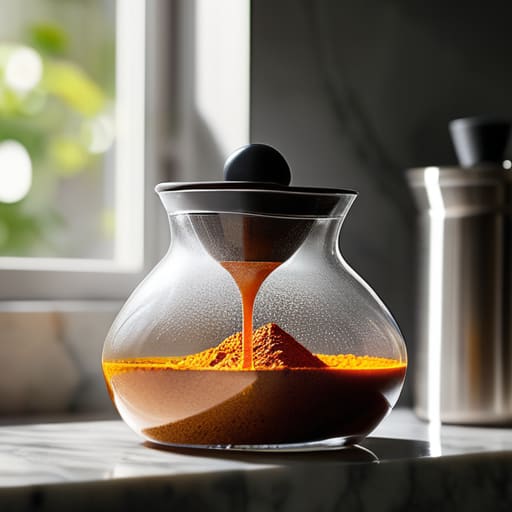
First, you need to accept that your kitchen is no longer a temple of precision. When I lived with a guy who thought “seasoning” meant dumping a jar of dried garlic powder on everything, my ritual died. You can’t just expect your beans to stay scent-neutral when there is a literal mountain of spicy curry powder three inches away. Communicating food boundaries with roommates isn’t about being a jerk; it’s about survival if you actually care about the nuance in your pour-over.
Second, stop expecting the layout to make sense. I used to spend twenty minutes looking for my scale, only to find it buried under a pile of someone else’s protein powder tubs. Organizing shared kitchen spaces becomes a game of territory rather than efficiency. You eventually learn to create a “micro-zone”—a single shelf or a specific bin—that is strictly for your gear. If it’s not in your zone, it doesn’t exist. It’s not perfect, but it keeps the peace.
Practical Tips and Steps
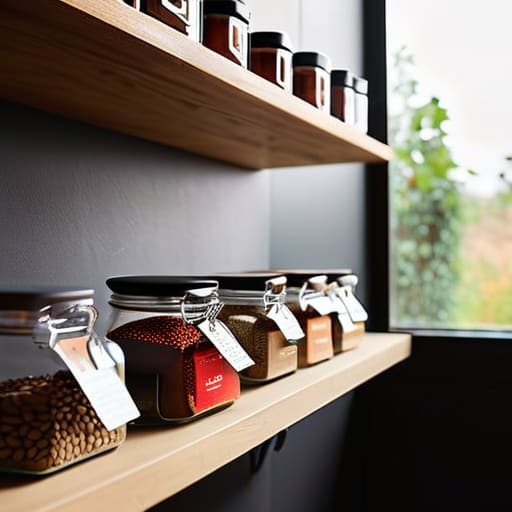
First, stop treating the pantry like a free-for-all. I’ve learned that communicating food boundaries with roommates works much better than staring silently at an empty bag of Ethiopian Yirgacheffe. Designate specific shelves. If my beans live on the top shelf and their heavy spices live on the bottom, we avoid the “scent transfer” disaster. It’s about spatial respect. If you can’t see where your stuff ends and theirs begins, you’re going to end up accidentally seasoning your morning brew with garlic powder.
Next, tackle the logistics of organizing shared kitchen spaces by using opaque bins. If I can’t see their mountain of protein powder, I won’t feel like my coffee corner is being invaded. It keeps the visual clutter down and the peace of mind up. Don’t aim for perfection; just aim for a system where nobody feels like they are walking on eggshells. If a new organizational rule doesn’t actually make the morning routine smoother, toss it out. I don’t care how aesthetic the jar looks if it doesn’t solve the actual problem.
Common Mistakes to Avoid
The biggest mistake is thinking that a “neutral” zone actually exists. I used to think if I kept my beans in a sealed canister, they were safe. Wrong. My roommate’s habit of leaving garlic-heavy pasta to steam on the stove is enough to permeate even the best airtight seal. People try to solve everything by organizing shared kitchen spaces into strict territories, but smell and steam don’t respect borders. If you assume your gear is invincible, you’ll end up with expensive beans that taste like onion soup.
Another trap is the “silent compromise.” You see them using your specialized milk for their cereal, or they use your scale to weigh out sugar, and you just stew in it. Avoiding the conversation doesn’t fix the problem; it just turns a small annoyance into a bitter resentment. Communicating food boundaries with roommates early is much better than waiting until you’re actually angry. It’s not about being a snob; it’s about making sure your morning cup doesn’t taste like their dinner.
Final Thoughts
At the end of the day, you aren’t going to win a war over the spice rack. I spent years in busy cafes where everyone had a different idea of what “good” tasted like, and I learned that you can’t brew the perfect cup if you’re constantly fighting the person next to you. Whether it’s communicating food boundaries with roommates or just deciding who gets the top shelf, it’s all about compromise. If their garlic-heavy dinners are ruining my morning pour-over, I can’t just ban garlic from the house. I can only control my own corner of the counter.
Ultimately, managing roommate food conflicts isn’t about finding a perfect middle ground where everyone eats the same thing. That’s impossible. It’s about creating enough space so that your ritual doesn’t get trampled by their chaos. Keep your beans in an airtight container, keep your grinder away from the heavy frying pans, and accept that a shared kitchen is always a little messy. If the coffee still tastes good despite the smell of burnt toast, you’ve won.
The Last Sip
At the end of the day, sharing a kitchen isn’t about winning an argument over spice levels or deciding whose brewing method is superior. It’s about the logistics. We talked about setting boundaries, managing the smell of garlic during my morning pour-over, and avoiding the trap of thinking your way is the only way. You can buy the most expensive burr grinder in the world, but if you spend the whole morning fighting over counter space, the coffee is going to taste bitter regardless of the extraction. It comes down to compromise and clear communication, or at least knowing when to just step into the other room.
I used to think a perfect kitchen was a controlled environment where every variable was dialed in. I was wrong. A real kitchen is messy, loud, and often smells like something you didn’t cook. But there is a certain beauty in that chaos if you stop trying to police every single ingredient. If you can learn to coexist with someone who loves syrup and salt as much as you love acidity and precision, you might actually find that the flavor of the ritual matters more than the flavor of the bean. Just keep your scale on your side of the counter.